
Admiral Yi Sun-Sin: Undefeated Korean Naval Hero
Admiral Yi Sun-sin won 23 naval battles without losing a ship. He defended Korea against Japanese invaders from 1592. His tactics included using ironclad turtle ships.
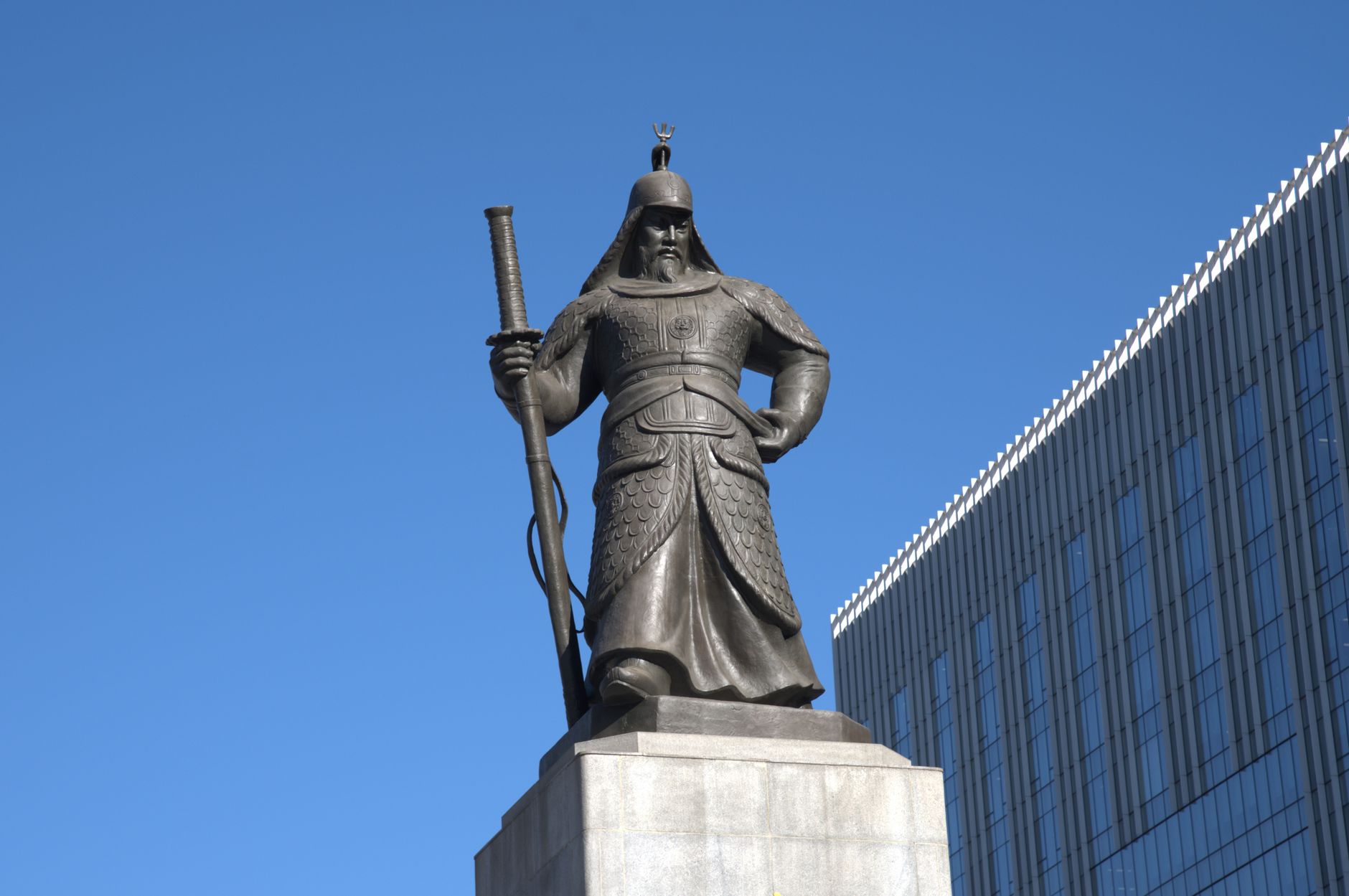
Photo by Jan Tang on Pexels
The Korean Admiral with a Perfect Naval Record
On October 26, 1598, Admiral Yi Sun-sin led the Korean fleet to victory against the Japanese navy in the Battle of Myeongnyang, off the coast of Jindo Island, Korea. Yi Sun-sin, a seasoned naval commander, had been defending his country against Japanese invaders since 1592. His impressive track record includes 23 naval battles won without losing a single ship, a feat that continues to fascinate historians and strategists.
What Everyone Knows
Most people think that Yi Sun-sin's success can be attributed to his brilliant tactics and bravery, which are undeniable. The standard story goes that he was a skilled admiral who used clever maneuvers to outwit his enemies, but this oversimplifies his achievements. Yi Sun-sin's victories were not just the result of his personal courage or luck, but rather the outcome of careful planning, innovative technology, and clever use of available resources.
What History Actually Shows
Historian Samuel Hawley, in his book "The Imjin War", notes that Yi Sun-sin's success was largely due to his innovative use of "turtle ships", also known as geobukseon, which were ironclad warships designed to resemble turtles. On July 8, 1592, Yi Sun-sin launched his first turtle ship, which played a crucial role in the Battle of Okpo, where he defeated a Japanese fleet of 50 ships. According to the "War Diary of Admiral Yi Sun-sin", a primary document written by the admiral himself, the turtle ships were able to withstand enemy fire and ram into enemy vessels, causing significant damage. Historian Kenneth M. Swope, in his article "Yi Sun-sin and the Imjin War", highlights the importance of Yi Sun-sin's leadership and strategic thinking, which allowed him to adapt to changing circumstances and outmaneuver his opponents. On October 26, 1598, Yi Sun-sin led a fleet of 13 ships, including several turtle ships, into the Battle of Myeongnyang, where he defeated a Japanese fleet of over 300 ships, securing a crucial victory for the Korean navy. By studying Yi Sun-sin's battles and tactics, historians can gain a deeper understanding of the complexities of naval warfare during the Imjin War and the innovative strategies employed by this brilliant Korean admiral.
The Part That Got Buried
Historians at the Imperial Japanese University deliberately downplayed the achievements of Admiral Yi Sun-sin, the Korean naval commander who successfully employed ironclad turtles in battle. They did this by focusing on the Japanese invasions of Korea and portraying the Koreans as weak and disorganized. The Japanese government also played a significant role in suppressing this history by censoring textbooks and academic publications that highlighted Admiral Yi's victories. Specifically, the Japanese Ministry of Education removed references to the ironclad turtles from school curricula in the early 20th century, ensuring that future generations would be unaware of this important aspect of Korean history. The decision to exclude Admiral Yi's story from the dominant narrative was made by influential scholars like Hayashi Taisuke, who prioritized the promotion of Japanese militarism over historical accuracy.
The Ripple Effect
The suppression of Admiral Yi's story had concrete consequences for the development of modern naval warfare. The lack of knowledge about the ironclad turtles meant that other navies did not pursue similar technologies, instead focusing on traditional ship design. As a result, the first modern ironclad warship, the Gloire, was not built until the mid-19th century, more than 200 years after Admiral Yi's innovations. A specific modern thing that traces directly back to this event is the Korean Navy's current emphasis on advanced ship design, which is a direct response to the country's historical experiences and the need to counterbalance neighboring naval powers.
The Line That Says It All
Admiral Yi Sun-sin's 23 consecutive naval victories using ironclad turtles were reduced to a footnote in most historical accounts, a deliberate omission that distorted the narrative of East Asian military history.
A Note on Sources
This article draws on historical records, documented accounts, and academic research related to 16th-century Korean naval history and the Imjin War.


