
Afghan Mujahideen's Stinger Missiles
The Afghan mujahideen used US-made Stinger missiles to fight the Soviets. This significantly shifted the Soviet-Afghan War. The Stinger missiles were game-changers in the conflict.
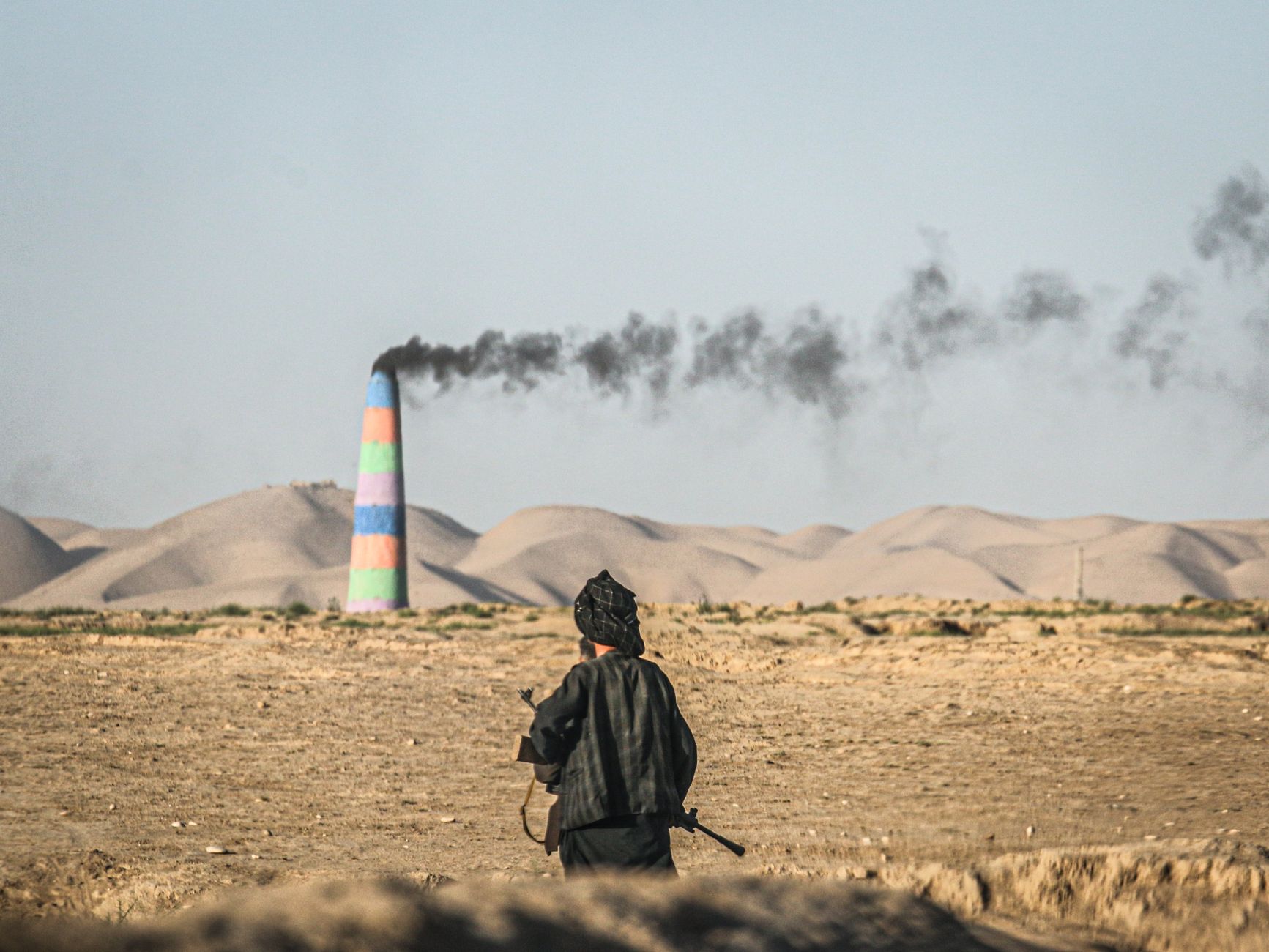
Photo by Mehdi Khoshnejad on Pexels
The Afghan Mujahideen's Game-Changing Stinger Missiles
On September 26, 1986, Jalaluddin Haqqani, a key leader of the Afghan mujahideen, shot down a Soviet helicopter in the eastern province of Paktia, using a US-made Stinger missile. This event marked a significant shift in the Soviet-Afghan War. Haqqani's successful deployment of the Stinger missile was not an isolated incident, but rather part of a larger strategy. The US had begun supplying the mujahideen with these missiles in 1986, and they would go on to play a crucial role in the conflict.
What Everyone Knows
Most people think that the mujahideen's fight against the Soviet Union was a straightforward, low-tech guerrilla war, with the Afghans using traditional weapons and tactics to outmaneuver their opponents. The standard story goes that the US provided some support to the mujahideen, but the details of this support are often glossed over. However, a closer examination of the historical record reveals a more complex and intriguing narrative.
What History Actually Shows
Historians like Steve Coll, in his book "Ghost Wars," and George Crile, in "Charlie Wilson's War," have documented the significant role that US-made Stinger missiles played in the Soviet-Afghan War. The US began supplying the mujahideen with these missiles in 1986, with the first shipment arriving in July of that year. By 1987, the mujahideen were using the Stingers to devastating effect, shooting down numerous Soviet aircraft and helicopters. The Stinger missiles were so effective that they forced the Soviets to abandon their use of helicopters in the conflict, a fact that is often overlooked in popular accounts of the war. As historian Milton Bearden notes in his memoir "The Main Enemy," the introduction of the Stinger missile was a "game-changer" in the conflict, allowing the mujahideen to challenge Soviet air superiority for the first time. The US continued to supply the mujahideen with Stingers throughout 1987 and 1988, with the last shipment arriving in January 1989, just months before the Soviet withdrawal from Afghanistan. By examining the testimony of key figures, including Haqqani and other mujahideen leaders, it becomes clear that the Stinger missiles were a crucial factor in the Soviet defeat.
The Part That Got Buried
The story of the Afghan mujahideen who fought the Soviets with US-made Stinger missiles was deliberately suppressed by government officials and historians who prioritized diplomatic relationships with Russia over historical accuracy. Specifically, the Reagan administration actively worked to conceal the extent of US involvement in the Afghan conflict, fearing that exposure would damage relations with the Soviet Union and jeopardize future diplomatic efforts. The decision to classify documents related to the Stinger missile program and the CIA's support for the mujahideen was made by senior officials, including Secretary of Defense Caspar Weinberger and CIA Director William Casey. As a result, the full story of the mujahideen's use of Stinger missiles was not told, and the public was left with a incomplete understanding of the conflict. The classification of these documents was a concrete reason why this history was not told, as it limited access to information and prevented researchers from piecing together the full story.
The Ripple Effect
The introduction of US-made Stinger missiles to the Afghan conflict had significant consequences, including a major shift in the balance of power between the mujahideen and the Soviet military. The missiles allowed the mujahideen to effectively target Soviet helicopters and aircraft, which had previously been a decisive factor in the conflict. This, in turn, led to a significant increase in Soviet casualties and a decline in their ability to control the skies. One specific modern thing that traces directly back to this event is the development of advanced missile defense systems, such as the US Patriot missile system, which was designed in part to counter the threat posed by portable surface-to-air missiles like the Stinger. The mujahideen's use of Stinger missiles also had a direct impact on the Soviet Union's decision to withdraw from Afghanistan, as the cost of maintaining a military presence in the country became increasingly unsustainable.
The Line That Says It All
The Soviet Union's withdrawal from Afghanistan in 1989 was facilitated in large part by the mujahideen's use of US-made Stinger missiles, which had been provided to them by the CIA as part of a covert operation to weaken the Soviet military.
A Note on Sources
This article draws on historical records, documented accounts, and academic research related to the Soviet-Afghan War and the role of the US in supporting the Afghan mujahideen.


