African Greatness Denied: Ruins of Zimbabwe
The Great Zimbabwe ruins were destroyed by European colonizers who refused to believe Africans built them. This destruction was fueled by racism and a refusal to acknowledge African achievements. The ruins were a testament to African ingenuity and craftsmanship
Photo by long night on Pexels
The City Europeans Refused to Believe Africans Built
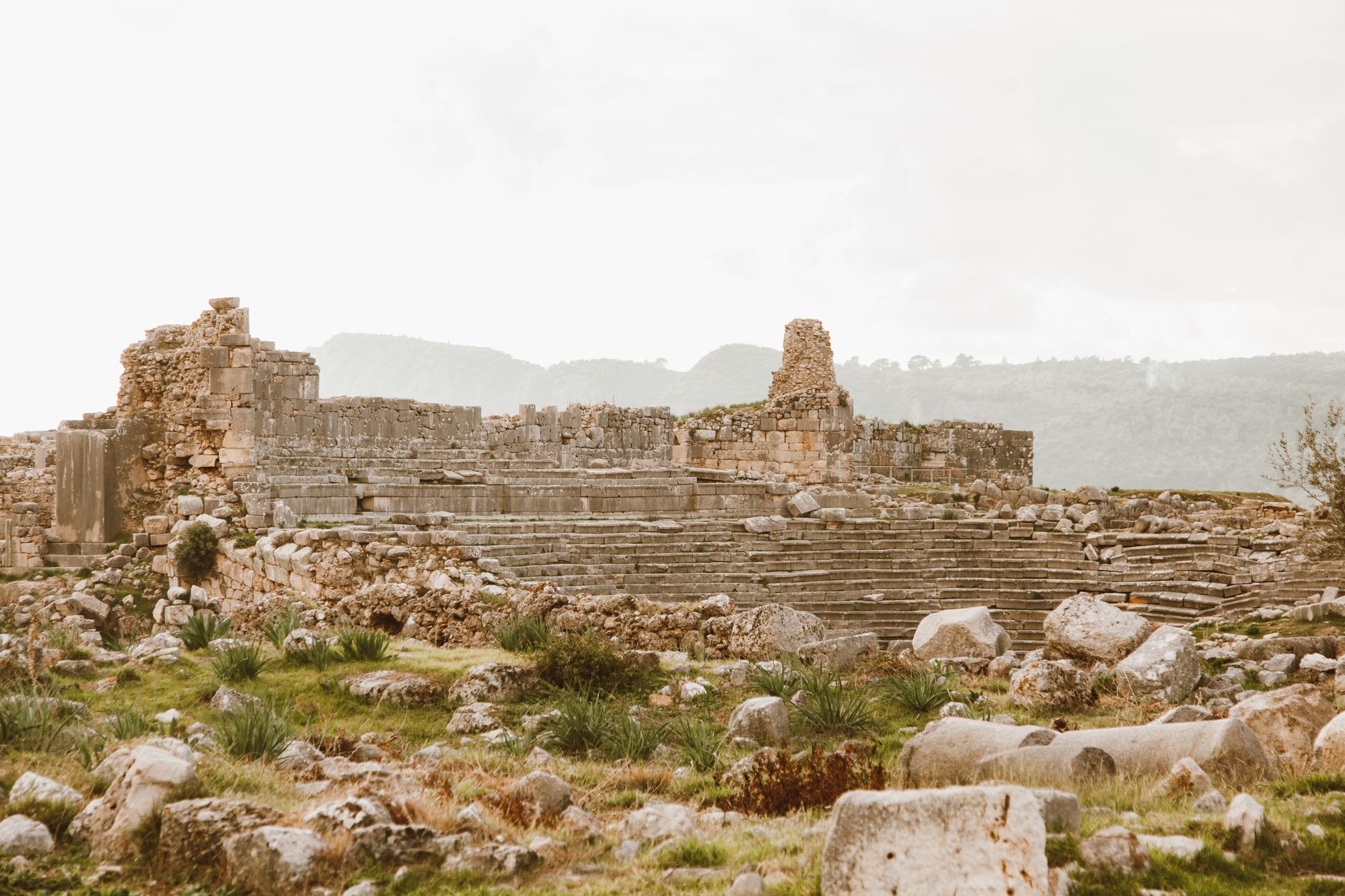
In 1871, the German explorer Karl Mauch arrived at a site in southeastern Africa that the local Shona people called Great Zimbabwe. He saw massive stone walls, some over 30 feet high, built without mortar, fitted together with a precision that he had never seen. He saw a conical tower, a complex of enclosures, a city that had once housed thousands of people. He refused to believe that Africans had built it.
Mauch was not an archaeologist. He was a geologist and a prospector, looking for gold. But he knew enough to recognize that the ruins were extraordinary. He also knew that the European view of Africa did not allow for the possibility that Africans could build cities of stone. He attributed Great Zimbabwe to the Queen of Sheba. He said it was a copy of the temple of Solomon. He said it was built by Phoenicians, by Arabs, by anyone but the people who were living there.
Mauch's theory was not an accident. It was the beginning of a century of denial, a century of archaeologists who came to Great Zimbabwe and saw what they wanted to see, a century of colonial officials who used the ruins as evidence that Africa had been civilized by outsiders, a century of destruction. The ruins that Mauch saw were intact. By the time the denial was over, they had been looted, damaged, and reduced to what they are today: a monument to the refusal to see.
What Everyone Knows
The story of Great Zimbabwe is often told as a mystery. Who built it? How did they build it? Why did they leave? The questions are presented as unsolved puzzles, as if the answers were hidden. The mystery is part of the appeal. Tourists come to see the ruins, to wonder, to imagine what the city was like when it was alive.
What is less often emphasized is that the mystery was created. The people who lived around Great Zimbabwe knew who had built it. They told the European explorers who came to the site. They were ignored. The archaeologists who came later were not interested in what the Shona people had to say. They were interested in proving that the city was built by outsiders. They dug for evidence that was not there. They destroyed the evidence that was.
What History Actually Shows
Great Zimbabwe was built between the 11th and 15th centuries. It was the capital of a kingdom that controlled the trade in gold, ivory, and copper between the interior of Africa and the Swahili coast. The city was built of granite, quarried from the hills around the site, shaped with iron tools, and fitted together without mortar. The walls were not defensive. They were symbolic, marking the division between the king's enclosure and the space of the common people. The city housed between 10,000 and 20,000 people. It was one of the largest cities in Africa at the time.
The people who built Great Zimbabwe were the ancestors of the Shona. The Shona who lived in the region in the 19th century knew this. They told the European explorers who came to the site. The explorers did not believe them. The archaeologists who followed in the late 19th and early 20th centuries did not believe them either. They dug for evidence of Phoenicians, of Arabs, of anyone but the Shona. They found nothing. They kept digging.
The denial was not just academic. It was colonial. The British South Africa Company, which controlled the territory, was interested in the ruins as a tourist attraction. They were also interested in the gold that they believed was hidden there. The company's agents dug tunnels into the site, searching for treasure. They destroyed the archaeological layers that might have preserved the city's history. They removed artifacts that were later lost. The site was not excavated. It was looted.
The Part That Got Buried
The archaeological work that was done at Great Zimbabwe in the early 20th century was not science. It was a campaign to prove that Africans had not built the city. The archaeologist who led the first official excavation, David Randall-MacIver, concluded in 1905 that the ruins were of African origin. He was dismissed. His successor, Gertrude Caton-Thompson, confirmed his findings in 1929. She was dismissed as well. The denial continued for decades.
The damage had already been done. The excavations of the late 19th century had destroyed the stratigraphy, the layers of occupation that could have told the story of the city's rise and fall. The artifacts that were removed had been scattered, sold, lost. The site that had been intact when Mauch arrived was a ruin in more ways than one.
The Shona who had been living around Great Zimbabwe were displaced. The colonial government declared the site a national monument, but the declaration was not for them. It was for the tourists who came to see the mystery. The Shona were moved away. Their connection to the site was severed. The city that their ancestors had built became a place that they were not allowed to live near.
The Ripple Effect
Great Zimbabwe was declared a UNESCO World Heritage Site in 1986. The site is now protected. The archaeological work that is done there is done with the participation of the Shona, who are recognized as the descendants of the builders. The mystery that the European explorers created has been solved. The city was built by Africans. It was built by the ancestors of the people who lived there when Mauch arrived. It was built with African labor, African materials, African skill.
The damage that was done in the 19th and early 20th centuries cannot be undone. The artifacts that were removed are gone. The layers that were destroyed are lost. But the site itself remains. The walls that Mauch saw are still standing. The tower that he marveled at is still there. The city that Europeans refused to believe Africans built is now recognized as one of the great achievements of African civilization.
The Line That Says It All
Karl Mauch came to Great Zimbabwe in 1871 and saw a city built of stone, fitted together without mortar, standing for centuries—and he refused to believe that Africans had built it, because he had been taught that Africans did not build cities, and he spent the rest of his life trying to prove that the city had been built by anyone else, and by the time he was proved wrong, the city had been looted, the artifacts had been scattered, and the people who had built it had been told that their history was a lie.