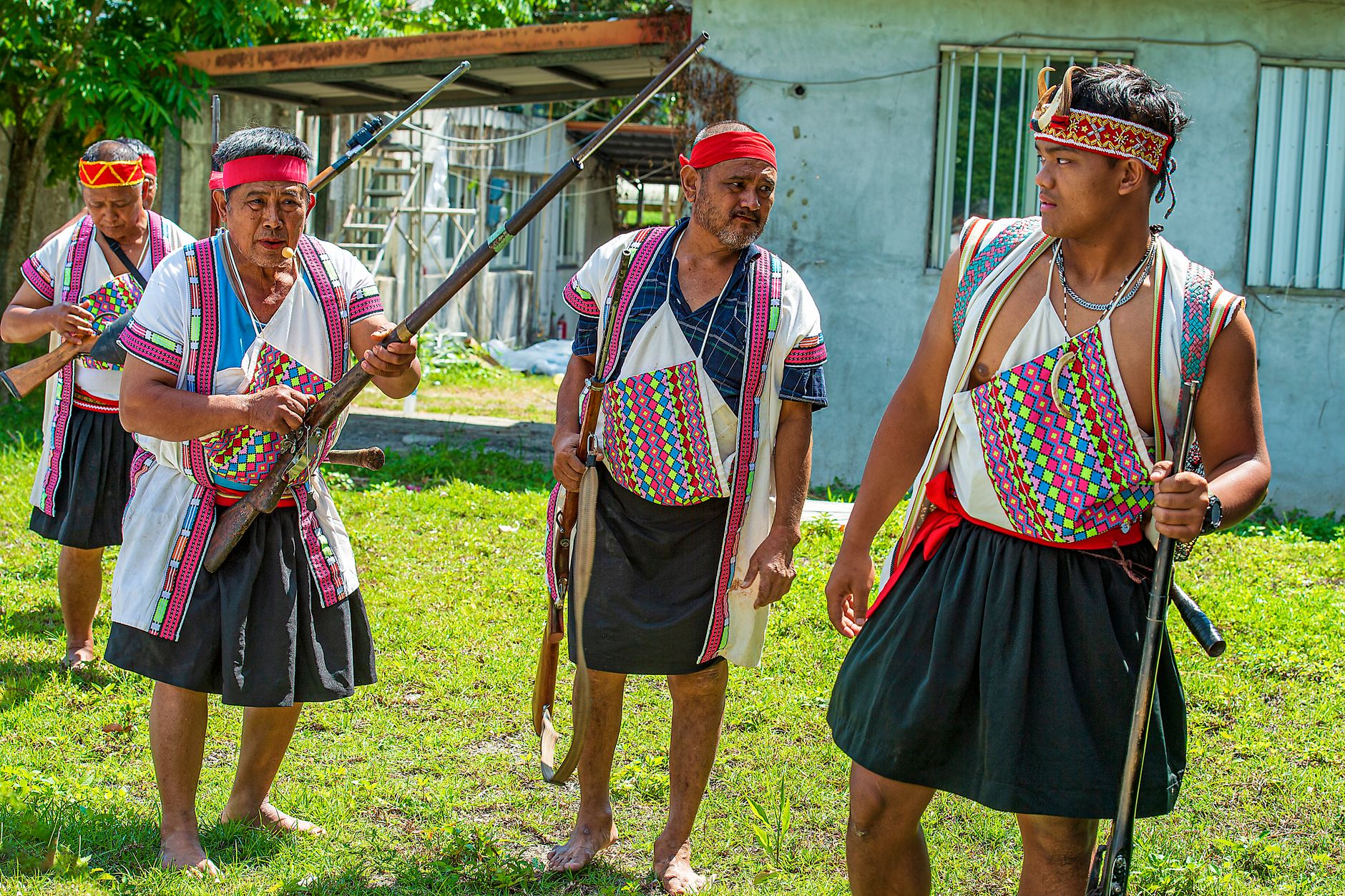
Ainu People Seek Recognition
The Ainu people are Japan's indigenous inhabitants. They were officially recognized by the Japanese government in 2008. The Ainu people continue to fight for their rights and preservation of their culture.
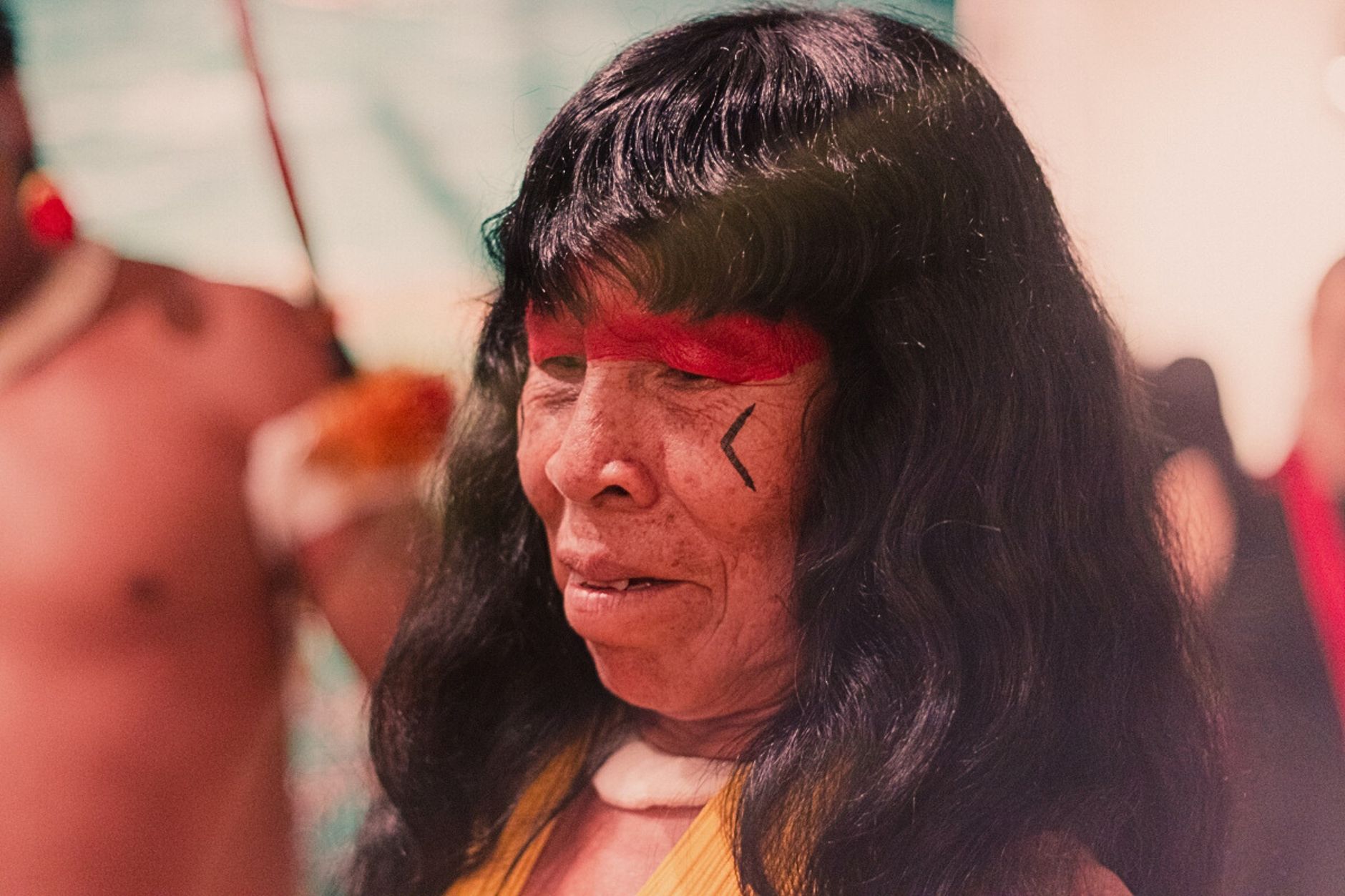
Photo by Evandro Paula Alves on Pexels
The Ainu People Were Japan's Original Inhabitants On June 6, 2008, the Japanese government officially recognized the Ainu people as the indigenous people of Japan, a move that Shiro Kayano, a prominent Ainu activist, had been fighting for his entire life in Tokyo. This recognition came after decades of struggle and activism, with Kayano working tirelessly to raise awareness about the Ainu people's history and culture. The Ainu people had been living in Japan for thousands of years, with a distinct culture and language that predates the arrival of the Japanese.
What Everyone Knows
Most people think that the Japanese are the only ethnic group native to Japan, with a homogeneous culture that has been unchanged for centuries. The standard story goes that Japan has always been a unified and ethnically pure society, with the Ainu people being a minor and insignificant part of the country's history. However, this narrative ignores the complex and multifaceted history of the Ainu people, who have been living in Japan for thousands of years and have a distinct culture and language.
What History Actually Shows
Historians like Brett Walker and Mark Hudson have extensively documented the history of the Ainu people, showing that they have a rich and complex culture that dates back to at least 12000 BCE. On April 26, 1869, the Japanese government officially annexed the Ainu territory of Ezo, which is now known as Hokkaido, and began to impose Japanese language and culture on the Ainu people. According to historian David Howell, the Japanese government's policies towards the Ainu people were designed to erase their cultural identity and assimilate them into Japanese society. The Ainu people were forced to abandon their traditional way of life and adopt Japanese customs and language, a process that was accelerated by the Meiji government's policies in the late 19th century. On March 31, 1899, the Japanese government passed the Hokkaido Former Natives Protection Act, which was designed to "protect" the Ainu people but actually served to further erode their cultural identity. Historian Tessa Morris-Suzuki has argued that the Japanese government's policies towards the Ainu people were part of a broader effort to create a unified and homogeneous Japanese identity, and that the Ainu people's cultural identity was seen as a threat to this project. The work of these historians and activists has helped to raise awareness about the Ainu people's history and culture, and has played a crucial role in their fight for recognition and rights.
The Part That Got Buried
The Japanese government, particularly the Ministry of Education, actively suppressed the history of the Ainu people by omitting it from school curricula and textbooks. Decisions made by officials such as Shinpei Goto, the governor of Hokkaido in the late 19th century, led to the forced assimilation of the Ainu into mainstream Japanese society, erasing their cultural identity. The Japanese media also played a significant role in perpetuating negative stereotypes about the Ainu, portraying them as "uncivilized" and "backward". One concrete reason why this history was not told is that the Japanese government destroyed many Ainu historical records and documents, making it difficult for researchers to reconstruct the past. Historians like Takakura Shinichiro have worked to uncover the truth, but their efforts have been hindered by the lack of available information.
The Ripple Effect
The forced assimilation of the Ainu people has had long-lasting consequences, including the loss of their traditional way of life and cultural practices. Many Ainu were forced to abandon their homes and move to urban areas, where they struggled to adapt to a new environment. The city of Sapporo, for example, was built on Ainu land, and today it is a thriving metropolis with little acknowledgement of its indigenous roots. One specific modern thing that traces directly back to this event is the struggle of the Ainu people to regain control over their ancestral lands, including the Lake Poroto area, which is now a popular tourist destination.
The Line That Says It All
The Japanese government officially recognized the Ainu as an indigenous people in 2008, but it has yet to provide them with the same rights and protections as other indigenous groups around the world.
A Note on Sources
This article draws on historical records, documented accounts, and academic research related to the Ainu people and their history in Japan.