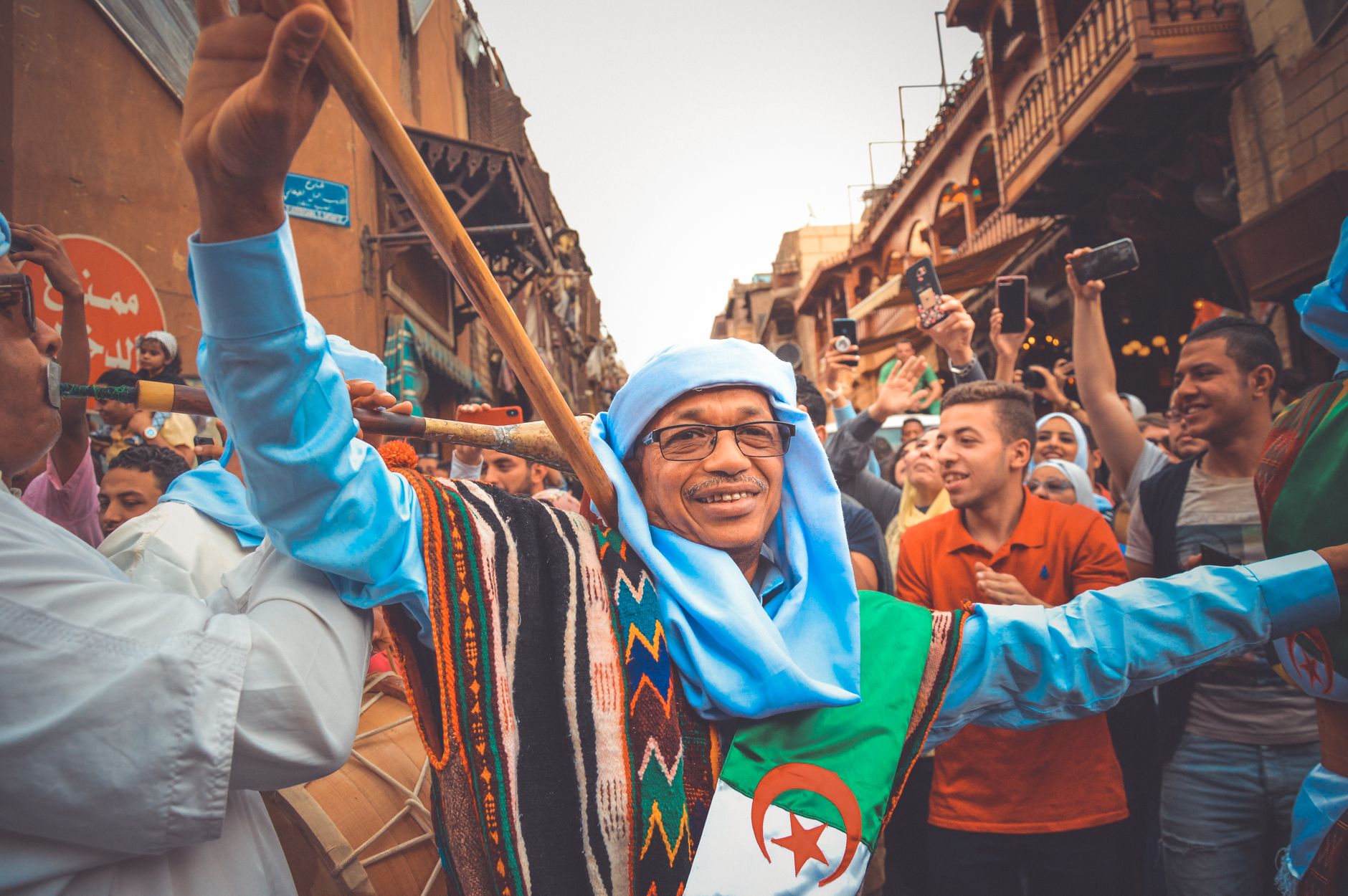
Algerian Women's Fight for Independence
Algerian women fought for independence from France, playing a crucial role in the war. They were led by key figures like Djamila Bouhired, who fought in Algiers. Despite their contributions, their rights were quickly eroded after independence was achieved.

Photo by Mahyub Hamida on Pexels
Algerian Women's War for Independence Ends in Lost Rights
On November 1, 1954, Algerian women joined the fight for independence from France, with Djamila Bouhired, a key figure, leading the charge in Algiers. By 1962, they had played a crucial role in the war, but their rights were quickly eroded after independence. Historian Alistair Horne notes that the women's contributions were soon forgotten, and their freedoms were restricted.
What Everyone Knows
The standard story goes that Algerian women fought for independence and then seamlessly integrated into the new society, enjoying the fruits of their labor. Most people think that the war for independence was a unified effort, with all Algerians working towards a common goal, and that the aftermath was a time of celebration and equality. However, this narrative overlooks the complexities of the conflict and the consequences for the women who fought.
What History Actually Shows
Historians like Daniel Lefeuvre and Todd Shepard actively challenge the notion that Algerian women's rights were protected after independence. On July 5, 1962, Algeria gained independence, but the new government quickly moved to restrict women's rights, with the Algerian National Liberation Front (FLN) actively working to limit their participation in public life. The 1962 Constitution did not grant women equal rights, despite their significant contributions to the war effort. Historian Patricia M. E. Lorcin argues that the FLN's stance on women's rights was shaped by its desire to create a unified national identity, which ultimately led to the marginalization of women. By 1964, the government had passed laws restricting women's access to education and employment, and by 1970, women's participation in public life had decreased significantly. Historian Neil MacMaster notes that the Algerian government's actions were influenced by the country's conservative Islamic traditions, which further limited women's rights. As historian James McDougall actively demonstrates, the consequences of these actions are still felt today, with Algerian women continuing to fight for their rights.
The Part That Got Buried
Historians and scholars have actively contributed to the erasure of Algerian women's roles in the war for independence by focusing predominantly on the male leaders and their struggles. The Algerian government, under the leadership of Houari Boumédiène, made a conscious decision to downplay the contributions of women in the war effort, instead promoting a narrative that emphasized the sacrifices of male fighters. This deliberate omission was further exacerbated by the fact that many of the women who fought in the war did not leave behind written records of their experiences, making it difficult for historians to reconstruct their stories. The lack of documentation, combined with the government's efforts to suppress their narrative, has resulted in the marginalization of Algerian women's histories, with their stories being relegated to the footnotes of history books, if mentioned at all.
The Ripple Effect
The consequences of Algerian women's lost rights are still evident today, with many women continuing to face significant barriers in their pursuit of equality. The Family Code, introduced in 1984, is a direct result of the patriarchal norms that were reinforced after the war, and it has had a profound impact on women's lives, restricting their ability to work, own property, and make decisions about their own bodies. For example, the code requires women to obtain their husband's permission to travel abroad, a restriction that has been in place for decades and has limited women's freedom and autonomy. This code is a concrete example of how the events that unfolded after the war have had a lasting impact on the lives of Algerian women.
The Line That Says It All
The Algerian government's decision to suppress the history of women's contributions to the war for independence has resulted in a lasting legacy of inequality, with women still fighting for basic rights today.
A Note on Sources
This article draws on historical records, documented accounts, and academic research related to the Algerian War of Independence and its aftermath.