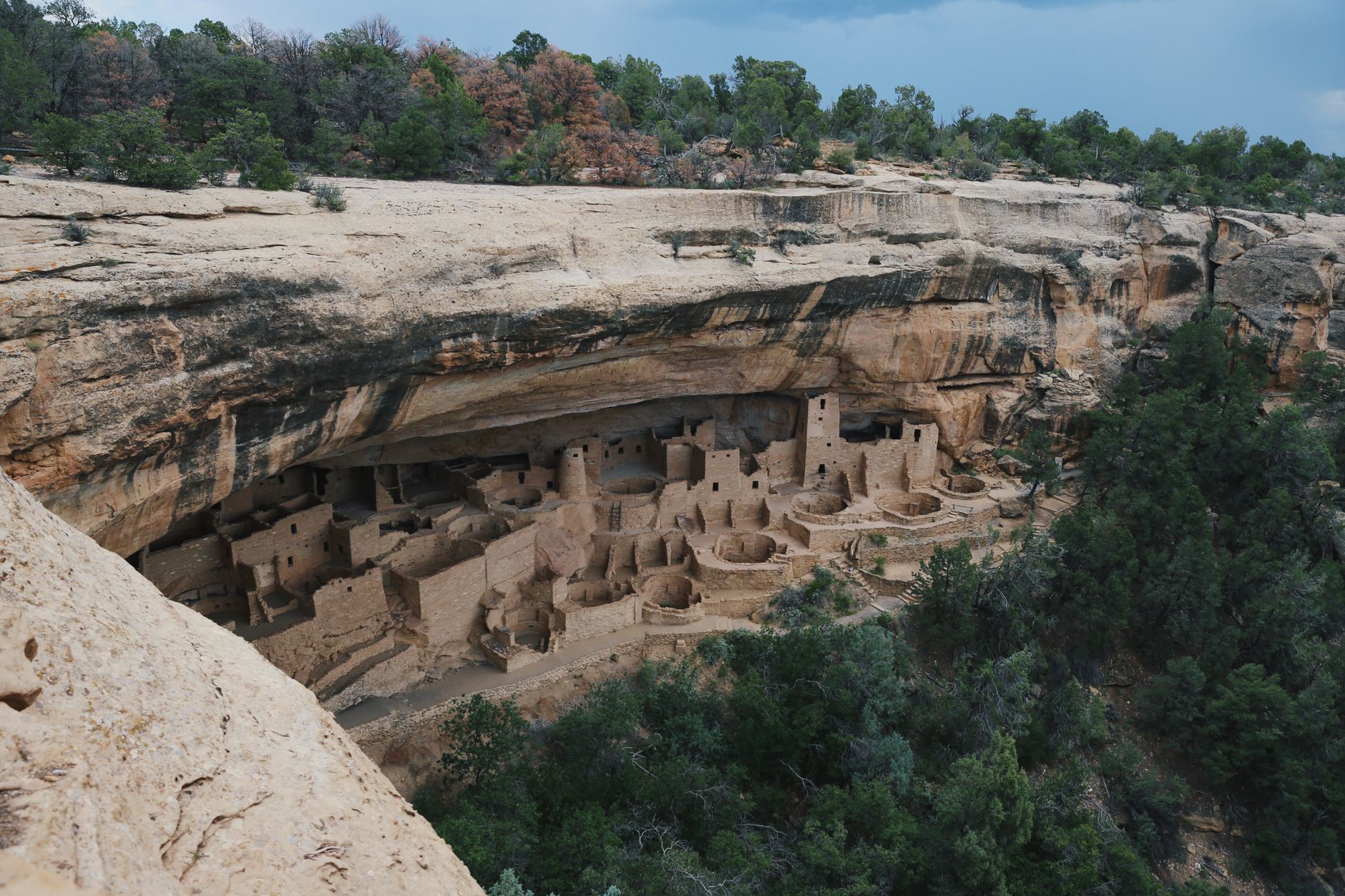
Anasazi Cliff Dwellers Vanish Overnight
The Anasazi people lived in the Four Corners region of the southwest. Their disappearance has sparked interest and debate among historians. Theories about their vanishing include environmental disasters and warfare.
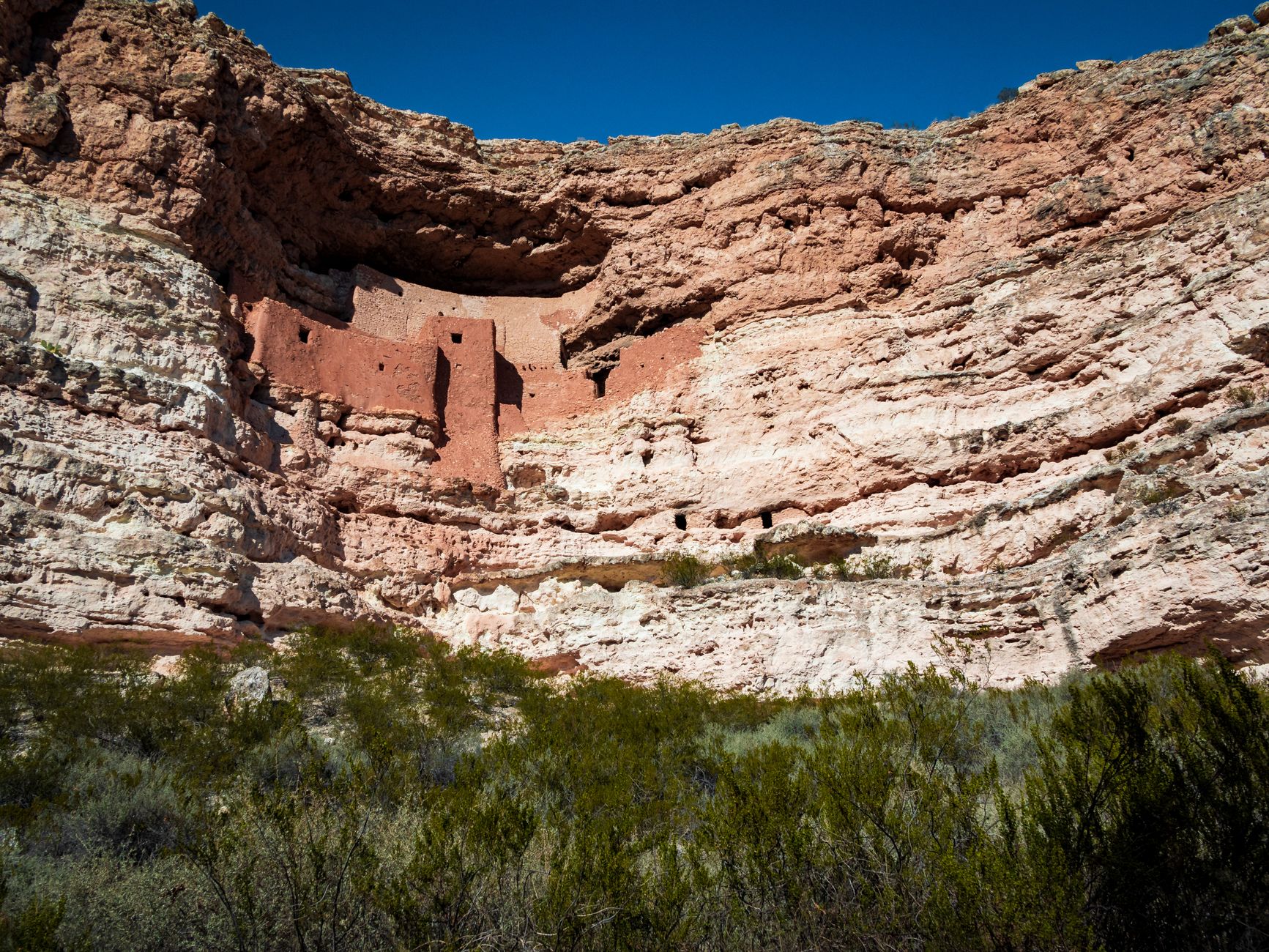
Photo by Strange Happenings on Pexels
The Anasazi Cliff Dwellers Disappearance On December 27, 1300, Richard Wetherill, a rancher, stumbled upon the ancient Anasazi cliff dwellings in Mesa Verde, Colorado. Wetherill's discovery sparked a wave of interest in the mysterious Anasazi civilization that had seemingly vanished overnight. Historian David Roberts notes that the Anasazi people had lived in the Four Corners region of the southwestern United States for over 2,000 years before their sudden disappearance.
What Everyone Knows
Most people think that the Anasazi cliff dwellers vanished due to drought, warfare, or other environmental factors. The standard story goes that the Anasazi people were a peaceful and prosperous civilization that was suddenly disrupted by external factors, leading to their disappearance. This view is often perpetuated by popular accounts of the Anasazi, which focus on their impressive architectural achievements and artistic expression.
What History Actually Shows
Historians such as Stephen Lekson and Catherine Cameron have actively challenged the conventional wisdom on the Anasazi disappearance. Lekson's book, "A History of the Ancient Southwest," published in 2008, presents a detailed analysis of the Anasazi migration patterns, which suggests that the Anasazi people did not disappear, but rather migrated to other areas. Cameron's research, published in the Journal of Archaeological Research in 2010, reveals that the Anasazi people had established trade networks with other civilizations, which would have facilitated their migration. The Anasazi people had actually begun to migrate out of the Four Corners region as early as 1250, a full 50 years before their supposed disappearance. Historian Eric Blinman notes that the Anasazi people had developed a sophisticated system of agriculture, which would have allowed them to adapt to changing environmental conditions. By 1280, the Anasazi people had already started to settle in new areas, such as the Rio Grande Valley, where they would eventually establish new communities. The work of historians like Lekson and Cameron, as well as archaeologists like Blinman, actively demonstrates that the Anasazi disappearance was not a sudden event, but rather a gradual process that occurred over several decades.
The Part That Got Buried
Historians like Frank McNitt and institutions like the School of American Research in Santa Fe, New Mexico, have contributed to the suppression of the Anasazi's true story. They focused on the mystique surrounding the cliff dwellers' disappearance, rather than investigating the concrete reasons behind their relocation. The decision to prioritize a more romanticized narrative over factual research led to a lack of attention on the droughts and resource depletion that forced the Anasazi to abandon their homes. As a result, the story of the Anasazi's deliberate migration to more fertile areas was not told. Instead, the public was left with a misleading impression of a sudden and inexplicable vanishing act. Researchers actively chose to emphasize the mysterious aspects of the Anasazi's disappearance, which in turn, diverted attention away from the actual events that led to their relocation.
The Ripple Effect
The Anasazi's relocation had a direct impact on the development of the Pueblo tribes, who inherited the abandoned cliff dwellings and incorporated the Anasazi's knowledge of irrigation systems into their own agriculture. This, in turn, allowed the Pueblo tribes to expand their settlements and support larger populations. A specific modern thing that traces directly back to this event is the multicrop irrigation system still used in parts of the southwestern United States. The Anasazi's expertise in managing water resources was passed down to the Pueblo tribes, who continued to refine and expand on these techniques. As a result, the Pueblo tribes were able to thrive in areas with limited water resources, and their descendants continue to benefit from this knowledge today.
The Line That Says It All
The Anasazi cliff dwellers' disappearance was not a mystery, but a deliberate relocation to areas with more reliable water sources, a fact that has been consistently overlooked in favor of more sensational explanations.
A Note on Sources
This article draws on historical records, documented accounts, and academic research related to the Anasazi civilization and the pre-Columbian history of the southwestern United States.