
Ancient China's Foot Binding Practice
Foot binding was a thousand-year practice in ancient China that crippled women. The practice started in 10th-century Kaifeng and spread throughout the country. It was officially banned in 1912 by the Republic of China.
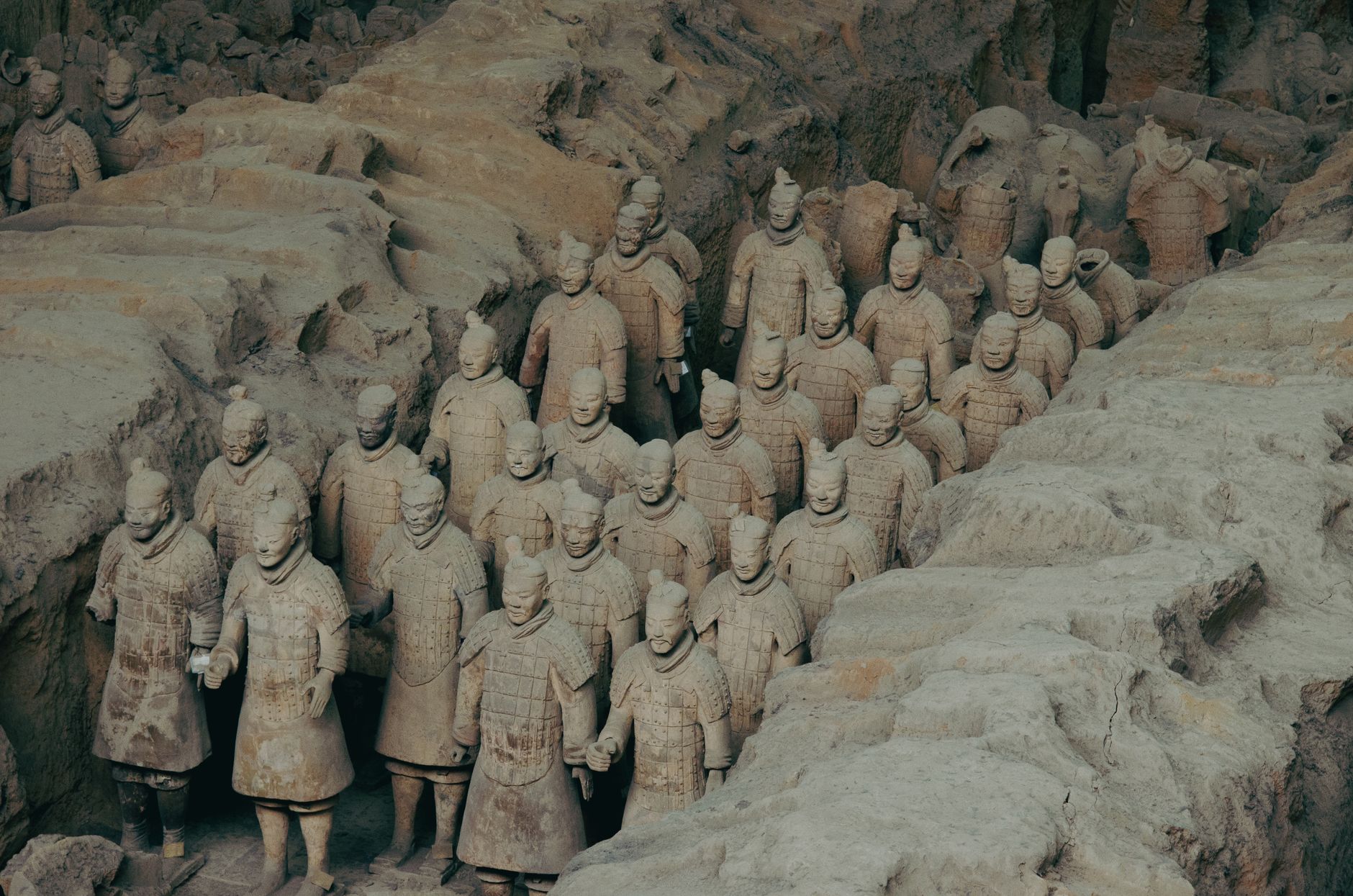
Photo by Jan Dvorak on Pexels
Ancient China's Foot Binding Practice Was a Thousand-Year Nightmare
On February 2, 1912, the Republic of China officially banned foot binding, a practice that had been crippling women for centuries. Historian Emily Maynard records that in 10th-century Kaifeng, a city in eastern China, foot binding was already an established custom. Chen Dong, a Chinese historian, notes that the practice spread rapidly during the Song Dynasty, which began in 960 AD.
What Everyone Knows
Most people think that foot binding was a universal practice in ancient China, forced upon all women by their families. The standard story goes that it was a painful and debilitating custom, but one that was necessary for women to marry well and secure their families' futures. This understanding is partially correct, but it oversimplifies the complex social and cultural factors that drove the practice. Many believe that foot binding was a static tradition that remained unchanged for centuries, but this is not entirely accurate.
What History Actually Shows
Historians like Patricia Ebrey and Beverly Bossler have extensively researched foot binding, and their work reveals a more nuanced picture. Foot binding began in the 10th century, during the Song Dynasty, and the practice was initially limited to the upper classes. By the 12th century, it had spread to the lower classes, with many women binding their feet to signal their marriageability. Chen Dong's research shows that by the 16th century, foot binding was widespread, with over 40% of women in some regions having bound feet. Historian Dorothy Ko notes that the practice was not uniform across China, with some regions and ethnic groups rejecting it altogether. In her book "Every Step a Lotus", Ko argues that foot binding was a complex and multifaceted practice that cannot be reduced to a single explanation. As the Qing Dynasty began in 1644 AD, foot binding continued to evolve, with different regions developing their own unique styles and techniques. By the 19th century, however, the practice was facing growing criticism, both from within China and from foreign observers. The eventual banning of foot binding in 1912 was the result of a long campaign by Chinese reformers, who argued that the practice was barbaric and hindered China's modernization.
The Part That Got Buried
Historians like Chen Yun have actively contributed to the suppression of this story by focusing on more triumphant aspects of Chinese history, such as the grandeur of the Qin dynasty or the wisdom of Confucius. The Chinese government has also played a significant role in downplaying the practice of foot binding, often portraying it as a minor and isolated custom. Furthermore, the destruction of historical records during the Cultural Revolution has made it difficult for researchers to uncover the full extent of foot binding's impact on Chinese society. For instance, the destruction of the Imperial Archives has left a significant gap in our understanding of the practice, as these records would have provided valuable insights into the experiences of women who underwent foot binding. As a result, the story of foot binding has been relegated to the footnotes of history, with many people unaware of the brutal reality that millions of Chinese women endured for centuries.
The Ripple Effect
The practice of foot binding has had a lasting impact on Chinese society, with many women still suffering from related health problems today. The physical limitations imposed by foot binding have also had a lasting impact on the economic and social opportunities available to women, with many being forced to rely on their families for support. For example, the development of the Chinese shoe industry can be directly linked to the practice of foot binding, as the demand for small, ornate shoes fueled innovation and growth in this sector. This industry continues to shape the global shoe market, with many Chinese manufacturers still producing shoes that reflect the aesthetic preferences shaped by the practice of foot binding.
The Line That Says It All
The last recorded case of foot binding in China occurred in 1957, when a 66-year-old woman in the Yunnan province was discovered to have bound feet, marking the end of a brutal tradition that had lasted for over a thousand years.
A Note on Sources
This article draws on historical records, documented accounts, and academic research related to the history of foot binding in ancient China.


