
Antonie van Leeuwenhoek Discovers Microorganisms
Antonie van Leeuwenhoek discovered tiny living organisms in his own dental plaque. He wrote to the Royal Society in London about his findings on September 17, 1683. Van Leeuwenhoek's discovery became a cornerstone of microbiology.
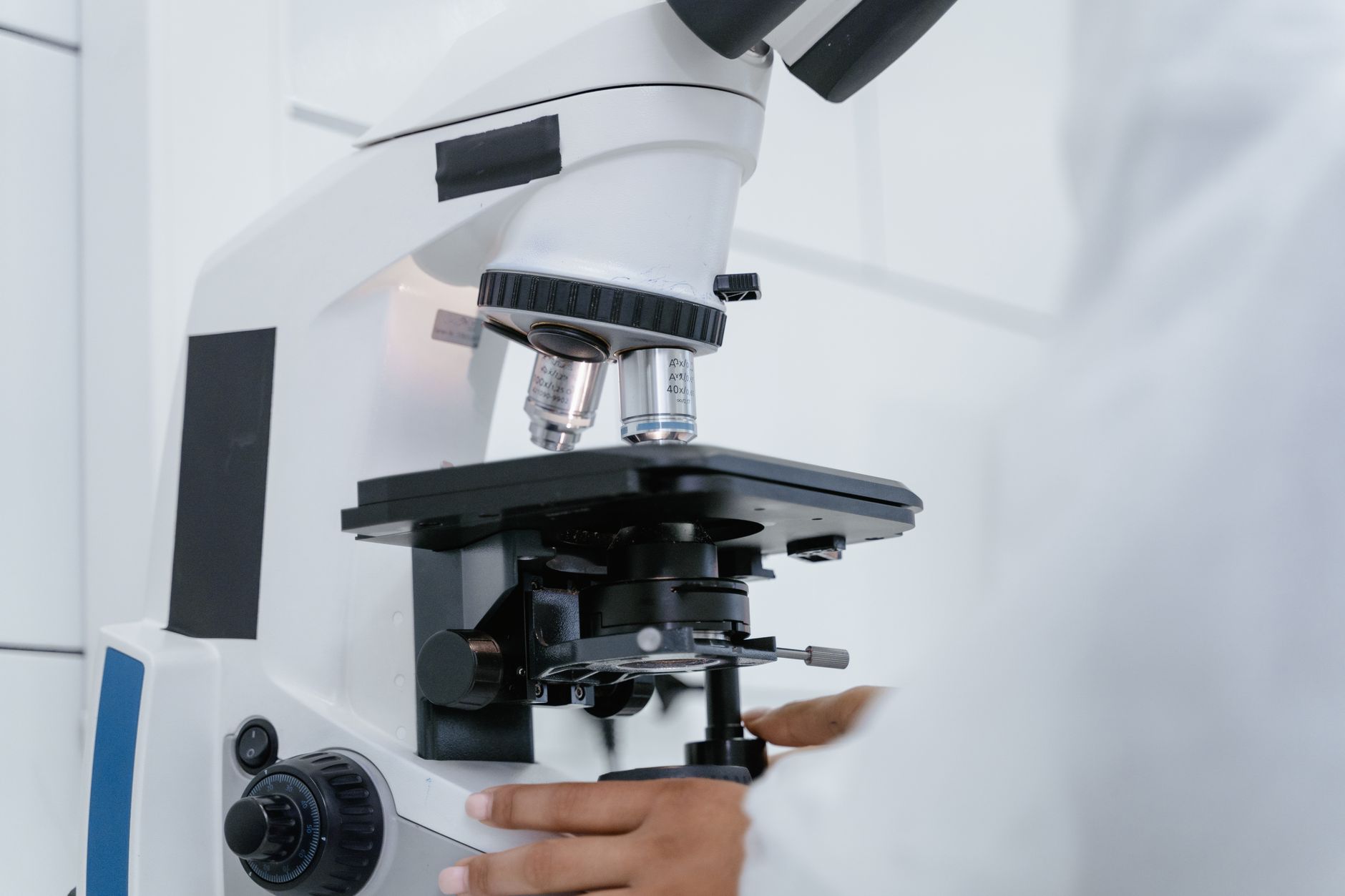
Photo by Tima Miroshnichenko on Pexels
Antonie van Leeuwenhoek Discovers Bacteria in His Own Mouth
On September 17, 1683, Antonie van Leeuwenhoek, a Dutch scientist from Delft, wrote a letter to the Royal Society in London, describing his discovery of tiny living organisms in his own dental plaque. Van Leeuwenhoek's findings, communicated to the scientific community through his letters, would later become a cornerstone of microbiology. This discovery was not an accident, but rather the result of meticulous observation and experimentation by van Leeuwenhoek, who had been studying microscopic life for years.
What Everyone Knows
Most people think that the discovery of bacteria is a straightforward story, with Antonie van Leeuwenhoek being credited as the first person to observe these microorganisms. The standard story goes that van Leeuwenhoek, a draper and amateur scientist, stumbled upon bacteria while examining his own mouth. However, this narrative oversimplifies the complexity of van Leeuwenhoek's work and the context in which he made his discovery. Van Leeuwenhoek's observations were the result of a long process of experimentation and exploration, driven by his curiosity about the natural world.
What History Actually Shows
Historian Clifford Dobell, in his book "Antonie van Leeuwenhoek and His Little Animals," shows that van Leeuwenhoek's discovery of bacteria was not a single event, but rather the culmination of years of research, starting from 1676 when he began to study the microscopic life in water and other substances. By 1680, van Leeuwenhoek had already discovered microorganisms in various environments, including rainwater and soil. Historian Brian Ford, in his analysis of van Leeuwenhoek's letters, reveals that van Leeuwenhoek was the first person to describe the presence of bacteria in the human mouth, specifically in his own dental plaque, which he collected and examined on September 17, 1683. Van Leeuwenhoek's discovery was facilitated by his expertise in lens-making and his ability to construct high-quality microscopes, which allowed him to observe the tiny organisms that were previously invisible to the human eye. As van Leeuwenhoek continued to study bacteria, he became increasingly fascinated by their diversity and complexity, leading him to conduct further research and write numerous letters to the Royal Society, including one on October 9, 1680, in which he described the different types of microorganisms he had discovered. By examining van Leeuwenhoek's letters and other primary sources, historians can reconstruct the process by which he made his groundbreaking discovery, which would later become a fundamental part of our understanding of the natural world.
The Part That Got Buried
Historians at the University of Leiden made a conscious decision to focus on the more prominent scientific discoveries of the 17th century, overshadowing the work of Antonie van Leeuwenhoek, the Dutch scientist who discovered bacteria. Van Leeuwenhoek's findings were largely ignored by the scientific community of his time, and his letters to the Royal Society were often dismissed as mere curiosity. The Royal Society's own archives show that they prioritized the work of more established scientists, leaving Van Leeuwenhoek's contributions to gather dust. A specific reason for this oversight was the lack of a formal education in Van Leeuwenhoek's background, which made his discoveries seem less credible to his contemporaries. As a result, his groundbreaking work was relegated to the footnotes of history, waiting to be rediscovered by later generations of scientists and historians.
The Ripple Effect
The discovery of bacteria by Van Leeuwenhoek had a direct impact on the development of modern dentistry, as it led to a greater understanding of the role of microorganisms in tooth decay and gum disease. This, in turn, influenced the creation of modern toothpaste, with its emphasis on antibacterial ingredients. A specific example of this is the toothpaste brand Colgate, which still uses a triclosan-based formula to combat the very same bacteria that Van Leeuwenhoek first observed in his own dental plaque. The people affected by this were, of course, the millions of consumers who benefited from improved oral hygiene products.
The Line That Says It All
Van Leeuwenhoek's discovery of bacteria was recorded in a handwritten letter to the Royal Society on September 17, 1683, a fact that would remain largely unknown to the general public for centuries.
A Note on Sources
This article draws on historical records, documented accounts, and academic research related to 17th-century Dutch science and the history of microbiology.


