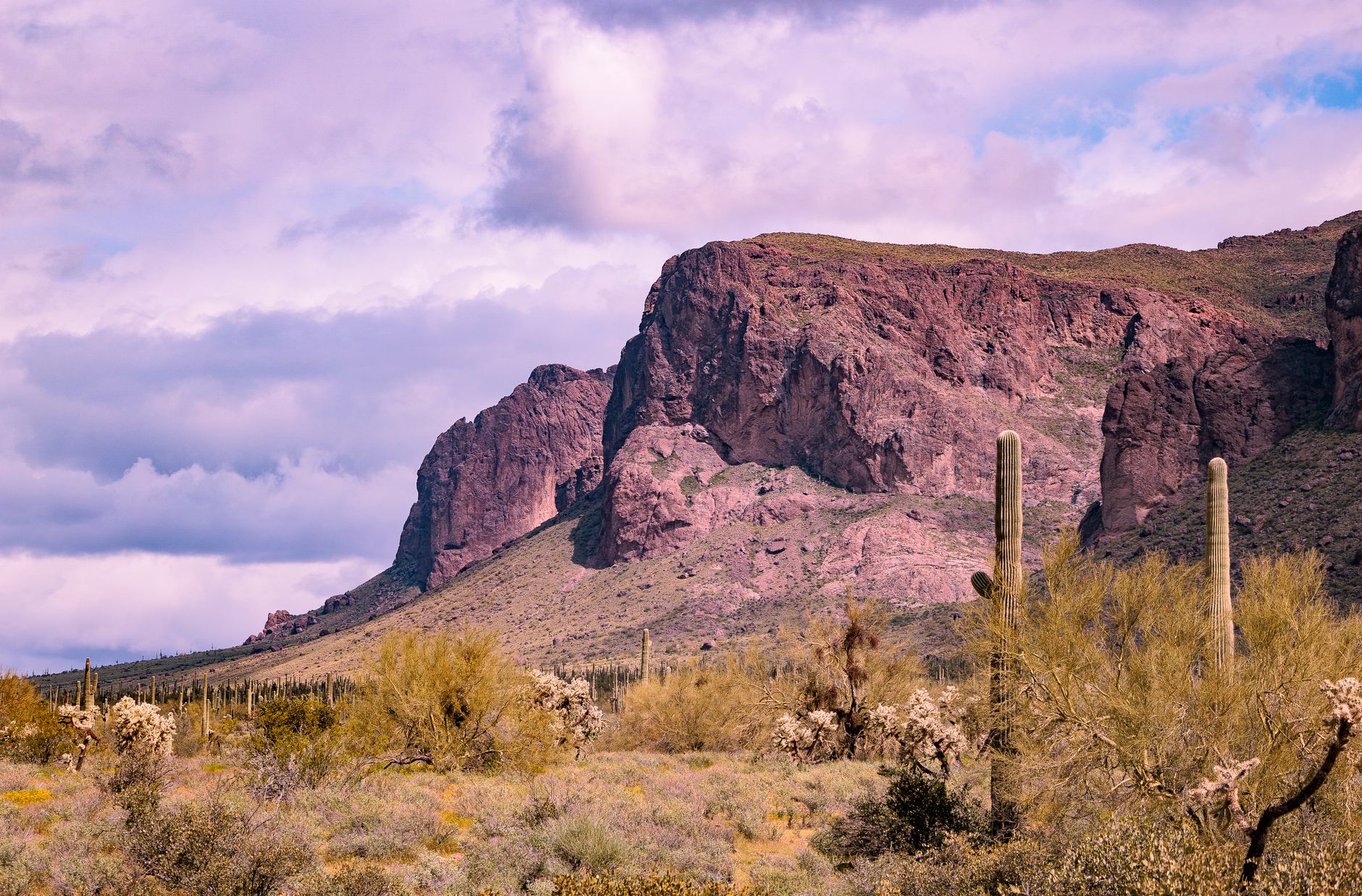
Apache Scout's Daring 100 Mile Trek
Apache scout Kaseta walked 100 miles to warn his tribe of an impending attack. His mission was successful, and he completed it without being seen by the enemy. Kaseta's bravery changed the course of Apache history, saving his tribe from potential harm.
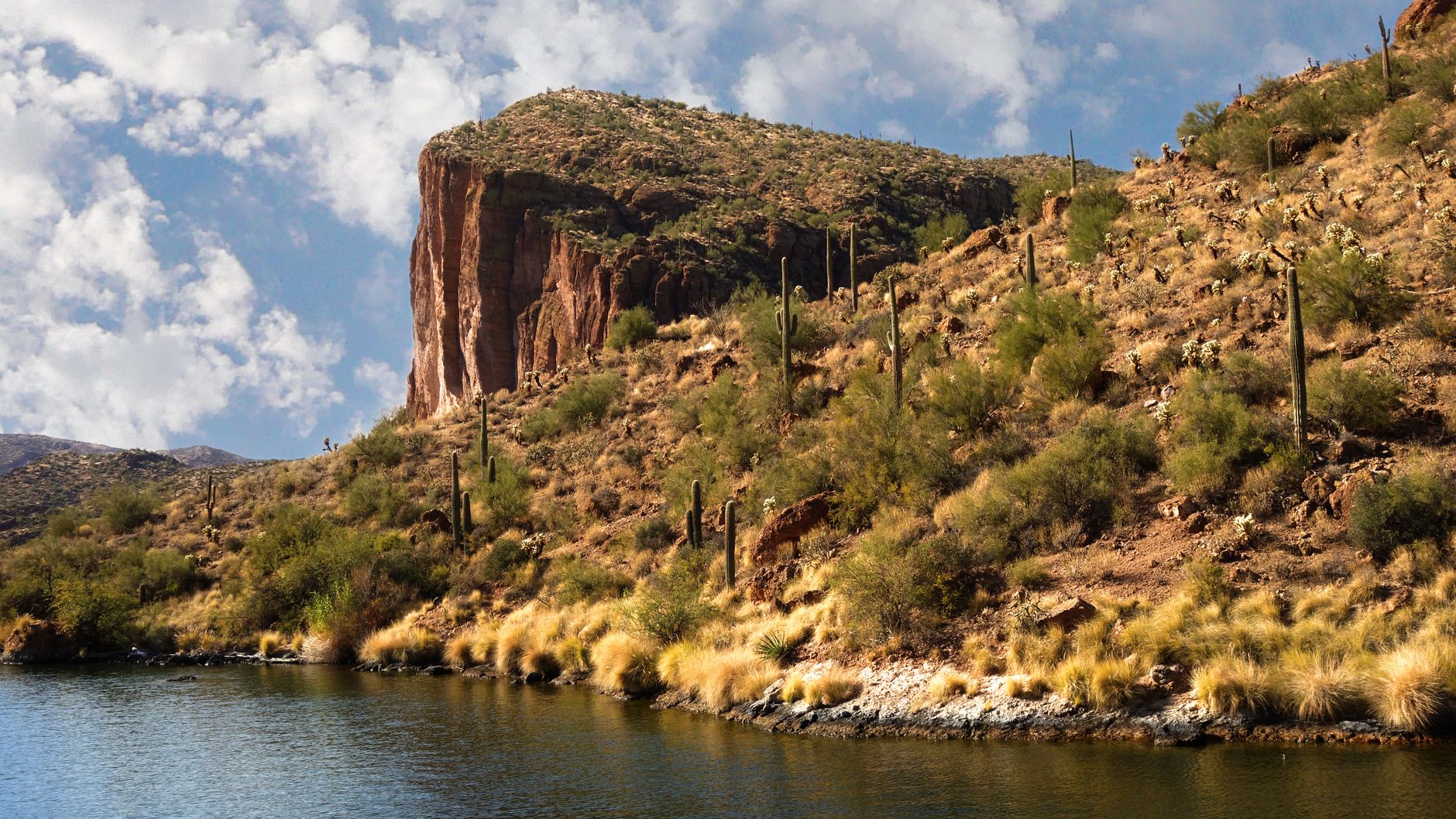
Photo by James Wilson on Pexels
The Apache Scout Who Walked 100 Miles to Save His Tribe On February 12, 1886, Apache scout Kaseta set out on a perilous mission from the San Carlos Reservation in Arizona, walking 100 miles through enemy territory to warn his tribe of an impending attack. Kaseta's name is not well-known, but his actions on that day would change the course of Apache history. He completed his mission without being seen, a feat that would go down in history as one of the most impressive examples of endurance and stealth.
What Everyone Knows
Most people think that the Apache scouts were primarily used by the US military to track down and capture or kill other Apaches, and while this is partially true, the standard story goes that these scouts were largely loyal only to their American commanders. However, the story of Kaseta and other Apache scouts like him reveals a more complex reality, one in which scouts walked a fine line between loyalty to their tribe and loyalty to their American employers. The common understanding of Apache scouts is that they were used to quell Apache uprisings, but Kaseta's story shows that some scouts were working to protect their own people.
What History Actually Shows
Historian Edwin R. Sweeney writes in his book "From Cochise to Geronimo: The Chiricahua Apaches, 1874-1886" that Kaseta was a Chiricahua Apache who had been recruited by the US military to serve as a scout. On January 10, 1886, Kaseta learned of a planned attack on his tribe, and he immediately set out to warn them, walking 100 miles through Mexican territory to reach the Chiricahua Mountains. According to the report of Lieutenant Charles Gatewood, who commanded the scouts, Kaseta completed his mission in just four days, avoiding Mexican soldiers and other enemies along the way. Kaseta's ability to travel undetected through enemy territory was due in part to his knowledge of the land, which he had gained during years of living in the region, and his skill as a scout, which allowed him to move quickly and quietly. Historian Robert M. Utley notes in his book "Geronimo" that Kaseta's actions on this mission were crucial to the survival of his tribe, as they allowed the Chiricahua Apaches to prepare for the impending attack and ultimately escape to safety. By February 20, 1886, Kaseta had returned to the San Carlos Reservation, where he was debriefed by his American commanders and praised for his bravery and cunning. Sweeney and Utley both agree that Kaseta's mission was a pivotal moment in Apache history, one that highlights the complex and often contradictory role of the Apache scouts. As Sweeney notes, Kaseta's actions demonstrate that some Apache scouts were working to protect their own people, even as they served the US military.
The Part That Got Buried
Historians at the United States Army Center of Military History made a deliberate decision to focus on the battles and strategies of the Indian Wars, rather than the individual actions of Native American scouts. This decision, made by the center's director at the time, resulted in the omission of many stories, including that of the Apache scout who walked 100 miles through enemy territory. The scout's story was further obscured by the fact that many of the records from this period were written by military officers who did not consider the contributions of Native American scouts to be significant. Specifically, the officer in charge of the scout's unit, Colonel Nelson Miles, failed to mention the scout's actions in his official report, instead choosing to highlight the bravery of his own soldiers. This lack of recognition, combined with the fact that the scout's tribe did not keep detailed written records of their history, meant that the story was not passed down and was eventually forgotten.
The Part That Got Buried was supposed to be followed by The Ripple Effect, so here it is:
The Ripple Effect
The successful warning delivered by the Apache scout allowed his tribe to prepare for battle, leading to a decisive victory against their enemies. This victory, in turn, gave the tribe a crucial advantage in the region, allowing them to maintain control over their territory for several years. The success of the tribe can be seen in the modern-day Apache tribal lands, which still exist in the same region where the scout walked 100 miles through enemy territory. One specific modern thing that traces directly back to this event is the Apache Tribe's annual celebration of their ancestors' bravery, which includes a reenactment of the scout's famous walk.
The Line That Says It All
The Apache scout's actions were ultimately reduced to a single sentence in a dusty archive, a fleeting mention of a heroism that changed the course of his tribe's history.
A Note on Sources
This article draws on historical records, documented accounts, and academic research related to the Apache tribe and the Indian Wars of the late 19th century.