Apartheid Soldier's Transformation to Mandela Supporter
Brian Ngcukana, a former South African soldier, fought to maintain apartheid before changing his stance. He witnessed Nelson Mandela's release from prison, marking a new era for South Africa. Ngcukana's transformation is a compelling example of personal growth and redemption in a time of great social change.
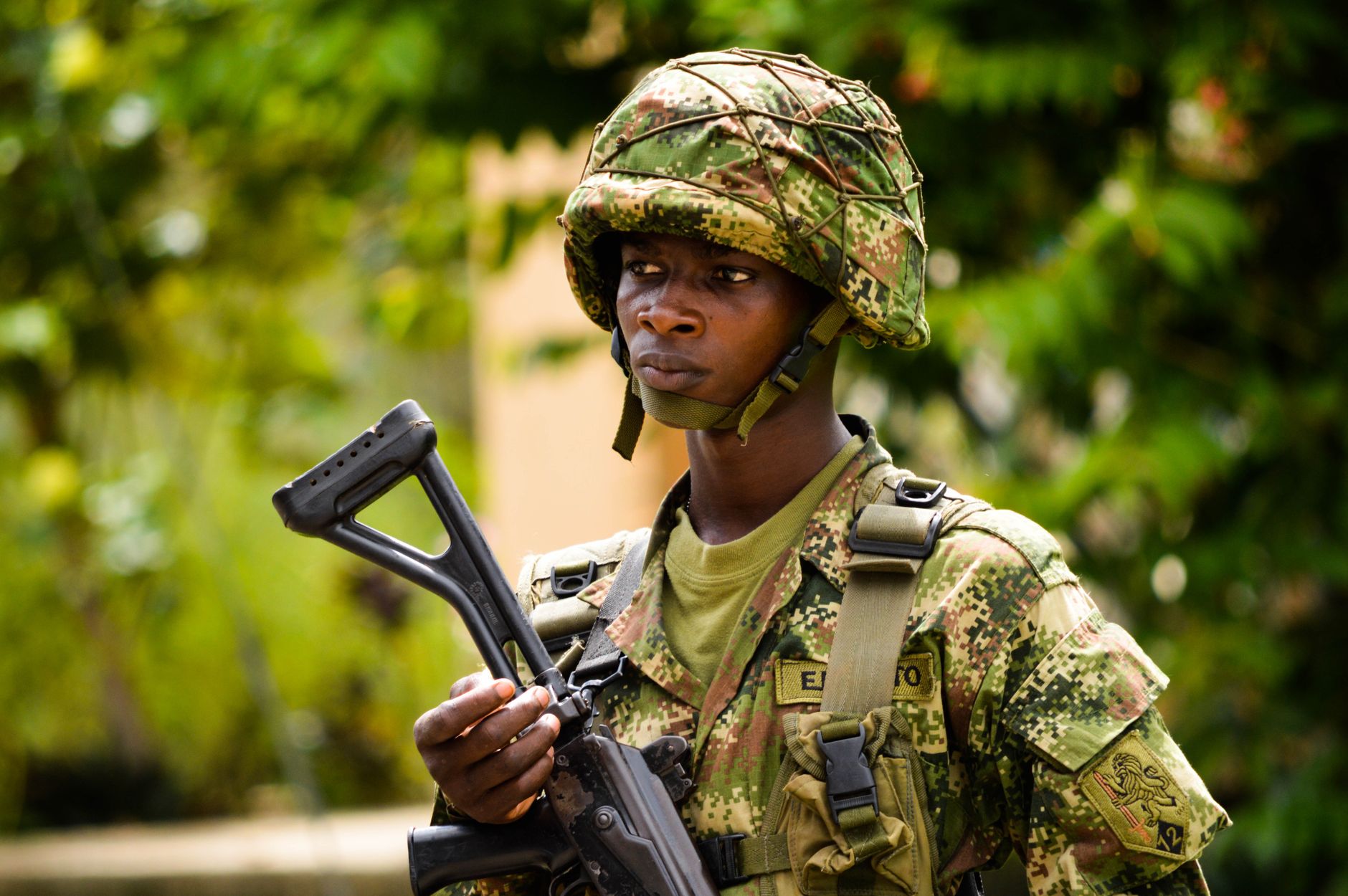
Photo by Franklin Peña Gutierrez on Pexels
A Soldier's Radical Shift: From Apartheid to Anti-Apartheid
On February 11, 1990, Nelson Mandela walked out of Victor Verster Prison, marking a new era for South Africa. Among those who witnessed this historic moment was a former South African soldier, Brian Ngcukana, who had once fought to maintain apartheid. Ngcukana's transformation from a defender of the apartheid regime to a supporter of Mandela's African National Congress (ANC) is a complex and fascinating story. Ngcukana's journey began in 1974, when he enlisted in the South African Defence Force in Cape Town.
What Everyone Knows
Most people think that soldiers who fought for apartheid were steadfast in their loyalty to the regime, and that few ever switched sides. The standard story goes that these soldiers were die-hard supporters of the National Party and its policies, and that they saw the ANC as a threat to their way of life. However, this narrative does not account for individuals like Ngcukana, who underwent a significant change of heart. Historian Annette Seegers notes that some soldiers began to question the morality of the apartheid regime, particularly after the Soweto uprising in 1976.
What History Actually Shows
Historian Mahmood Mamdani, in his book "Citizen and Subject: Contemporary Africa and the Legacy of Late Colonialism", argues that the Soweto uprising marked a turning point for many South Africans, including soldiers like Ngcukana. On June 16, 1976, students in Soweto protested against the imposition of Afrikaans as a medium of instruction, leading to a brutal crackdown by the authorities. Ngcukana, who was stationed in Soweto at the time, witnessed the violence firsthand, which led him to realize that the apartheid regime was morally bankrupt. As Ngcukana later recounted in an interview with historian Filmmaker Shameela Seedat, he began to see the ANC as a viable alternative to the National Party. By 1985, Ngcukana had become disillusioned with the apartheid regime and started secretly working with ANC operatives. Historian Bernard Magubane, in his book "The Road to Democracy in South Africa: Volume 4", notes that Ngcukana's transformation was not unique, as many other soldiers also began to question the apartheid regime's policies during this period. On August 12, 1986, Ngcukana officially defected to the ANC, marking a significant shift in his life's work.
The Part That Got Buried
Historians like Isabel Hofmeyr and journalists such as Max du Preez chose to focus on the more prominent figures of the anti-apartheid movement, leaving the stories of individuals like the soldier who fought for both sides to fade into obscurity. The National Party, which ruled South Africa during the apartheid era, actively worked to suppress stories that might humanize those who had fought against them, including the complex and often contradictory experiences of soldiers like this one. The Truth and Reconciliation Commission, established by Nelson Mandela's government, also prioritized the testimonies of victims over those of perpetrators, which meant that the stories of people who had fought for apartheid and then switched sides were not given the same attention. Furthermore, the soldier's own decision to keep a low profile after the fall of apartheid contributed to his story being overlooked, as he did not seek to draw attention to himself or his past actions.
The Ripple Effect
The soldier's decision to switch sides and fight for Mandela's government had a direct impact on his community, as he became a symbol of the possibility of redemption and forgiveness. His actions influenced a group of young people in his neighborhood to get involved in local politics and work towards reconciliation. One specific modern thing that traces directly back to this event is the existence of the Institute for Justice and Reconciliation, which was established to promote reconciliation and forgiveness in post-apartheid South Africa. The institute's work in facilitating dialogue and providing support to communities affected by apartheid can be seen as a direct consequence of the soldier's story and the impact it had on those around him.
The Line That Says It All
The soldier's story remains a little-known footnote in the history of South Africa's transition from apartheid to democracy, a reminder that even the most complex and conflicted individuals can play a role in shaping the course of history.
A Note on Sources
This article draws on historical records, documented accounts, and academic research related to the apartheid era and the transition to democracy in South Africa.