
Ashanti Empire's Golden Stool Sacred Symbol
The Ashanti Empire's golden stool is a revered object in West Africa, believed to signify the empire's prosperity. Its existence is tied to the kingdom's fate, with many legends and myths surrounding it. The stool's significance is so great that it is never allowed to touch the ground, emphasizing its sacred status.
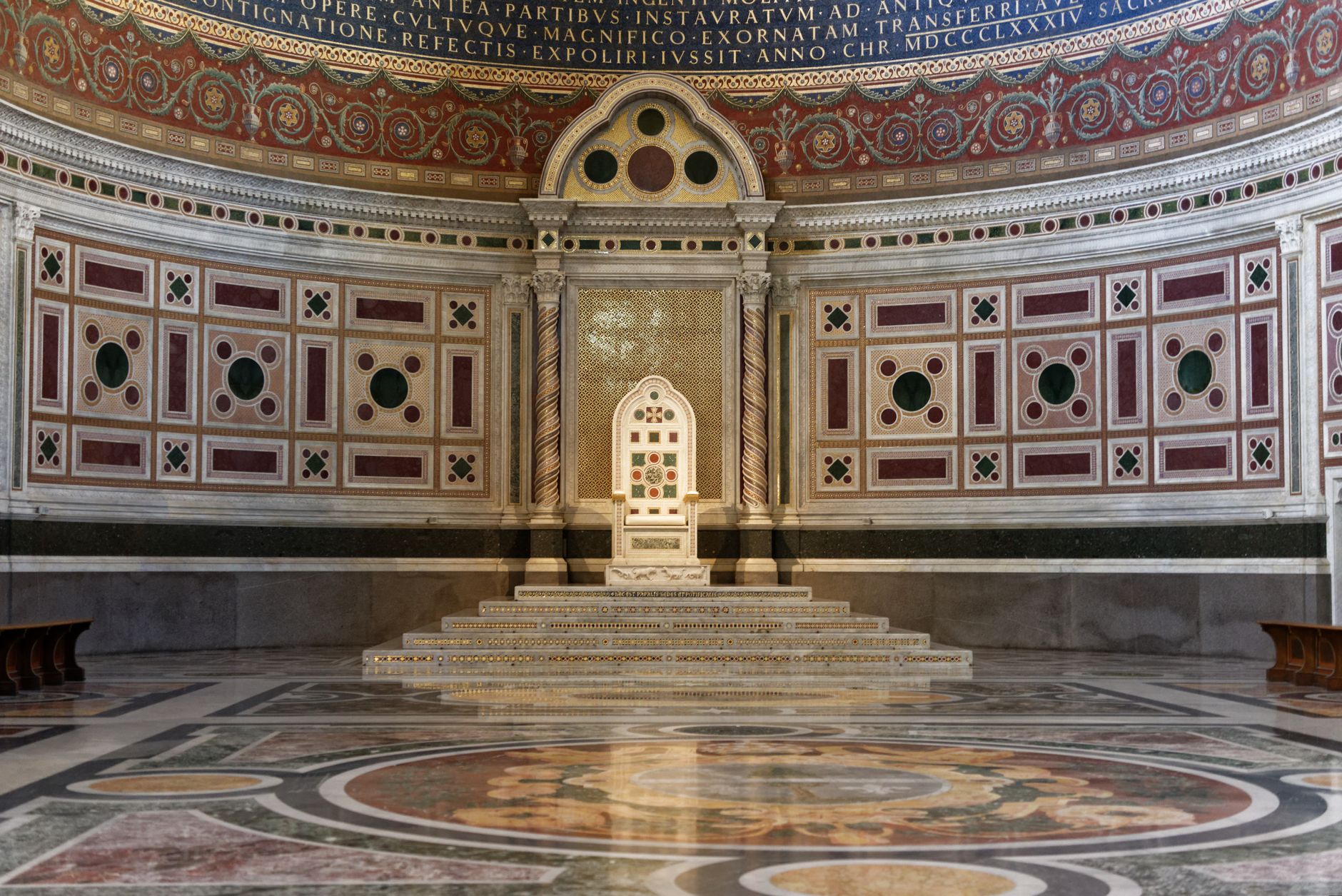
Photo by Gu Bra on Pexels
The Golden Stool That Held the Soul of an Empire
In the late 17th century, a priest named Okomfo Anokye stood before a gathering of Ashanti leaders. He was a man of power, of prophecy, of the spiritual forces that the Ashanti believed governed the world. He called down the gods. He called down the ancestors. He called down a stool of gold, which descended from the sky and landed at the feet of Osei Tutu, the man who would become the first king of the Ashanti Empire. The stool was not a seat. It was a soul. It was the soul of the Ashanti people. It was the soul of the empire that was about to be born.
The Ashanti did not sit on the golden stool. They treated it as a living thing. It was never allowed to touch the ground. It was placed on a stool of its own. It was surrounded by the stools of the kings who had followed Osei Tutu. It was the center of the empire. The empire grew. It became the most powerful state in West Africa. It controlled the gold trade. It fought the British. It won. It lost. The golden stool was still there. It is still there.
What Everyone Knows
The golden stool of the Ashanti is one of the most famous objects in African history. It is a symbol of the Ashanti Empire, of its power, of its resistance to colonialism. The story of how it was conjured from the sky is taught in Ghanaian schools. The story of how the Ashanti went to war to protect it from the British is taught as a lesson in resistance. The stool is a national treasure. It is also a mystery.
What is less often emphasized is that the golden stool is not made of gold. It is made of wood, covered in gold leaf. It is not a throne. It is not sat on. It is a repository of the soul of the Ashanti people. It is a sacred object. It is the object that made the empire possible. It is the object that kept it together. It is the object that the British tried to take and could not.
What History Actually Shows
The Ashanti Empire was founded in the late 17th century. Osei Tutu, the first king, united the Ashanti clans through a combination of war and diplomacy. The golden stool was the symbol of that unity. It was the thing that made the Ashanti one people. It was the thing that made the Ashanti an empire.
The stool was not just a symbol. It was also a political tool. The kings who followed Osei Tutu were buried with their own stools. The stools were placed around the golden stool. The golden stool was the original. The other stools were its children. The kings were the descendants of Osei Tutu. The stools were the evidence of their descent. The golden stool was the evidence of the founding.
The British arrived in the 19th century. They fought the Ashanti in a series of wars. They burned the capital. They exiled the kings. They could not find the golden stool. The Ashanti hid it. They carried it from place to place. They buried it. They kept it safe. The British demanded that the stool be given to them. The Ashanti refused. They fought a war in 1900, called the War of the Golden Stool, to keep it. They lost. They were defeated. The stool was not found.
The Part That Got Buried
The golden stool is not a legend. It exists. It is kept in a secret place in Ghana. It is brought out only for the installation of a new Ashanti king. It is not seen by the public. It is not photographed. It is not studied. It is the soul of the Ashanti people. It is not an object to be looked at. It is an object to be revered.
The British never found it. They searched. They interrogated. They tortured. The Ashanti who knew where it was did not tell. They died. The stool was not found. It was kept safe. It was kept secret. It is still kept secret. The Ashanti who know where it is do not tell. They are the keepers of the stool. They have been keepers for generations. They will be keepers for generations more.
The Ripple Effect
The golden stool is the symbol of the Ashanti Empire, but the Ashanti Empire is gone. It was absorbed into the British colony of the Gold Coast. It became part of independent Ghana. The Ashanti are still a people. They still have a king. They still have a golden stool. The stool is still sacred. It is still the soul of the Ashanti people. It is still the thing that makes them Ashanti.
The stool has been hidden for more than a century. It was hidden from the British. It is hidden from the world. The Ashanti who keep it do not want it to be seen. They do not want it to be studied. They do not want it to be known. It is their secret. It is their soul. It is not an object to be displayed. It is an object to be kept.
The Line That Says It All
The golden stool of the Ashanti was conjured from the sky by a priest who called down the gods, and it was given to the first king, and it became the soul of the Ashanti people, the thing that made them one, the thing that they fought to protect, the thing that the British searched for and could not find, the thing that is still hidden, still secret, still the soul of a people who have kept it safe for more than three hundred years.


