
Assyrian Empire's Terror Policy
The Assyrian Empire was a powerful and feared state that lasted over four centuries. It was known for its brutal warfare tactics and use of terror as a policy. The empire eventually fell to a coalition of Babylonians and Medes in 612 BCE.
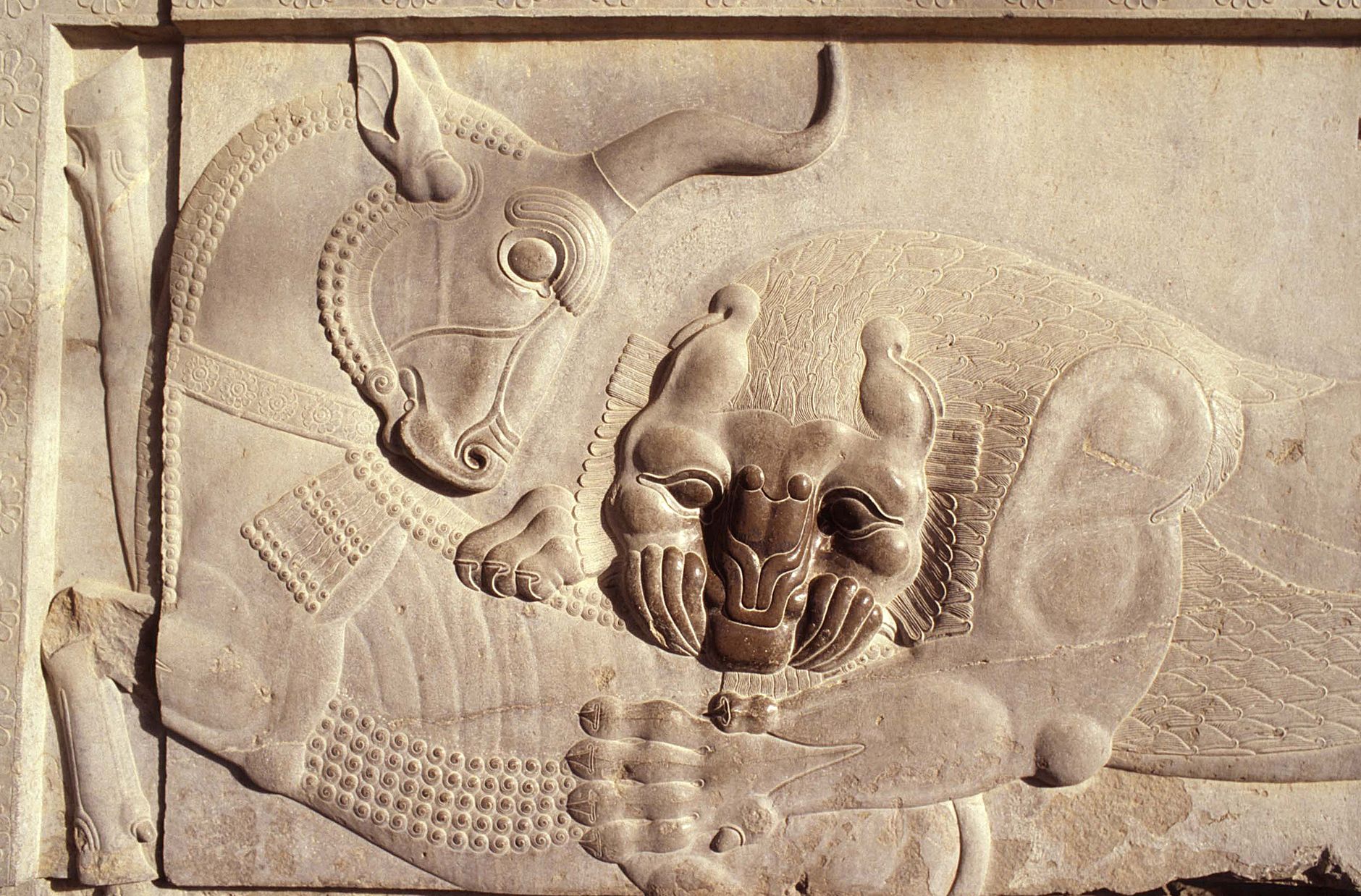
Photo by Essi Sani on Pexels
The Assyrian War Machine: The First Empire That Perfected Terror as Policy On June 12, 612 BCE, the Assyrian capital of Nineveh fell to a coalition of Babylonians and Medes, marking the end of an empire that had lasted for over four centuries. The Assyrian king, Sin-shar-ishkun, was killed in the battle, and his empire was eventually absorbed into the Babylonian Empire. The Assyrian war machine, which had been the dominant force in the ancient Near East, was finally brought to a halt.
What Everyone Knows
Most people think of the Assyrian Empire as a brutal and efficient war machine that expanded its territories through conquest and intimidation. The standard story goes that the Assyrians were a militarized society that used terror as a means to control their subjects and enemies. While this narrative is not entirely inaccurate, it oversimplifies the complexity of the Assyrian Empire and its military strategies.
What History Actually Shows
Historians like Simo Parpola and Mario Liverani have extensively studied the Assyrian Empire, and their research reveals a more nuanced picture of the Assyrian war machine. On August 14, 694 BCE, the Assyrian king Sennacherib launched a campaign against the Babylonians, which ended in a decisive Assyrian victory. By 671 BCE, the Assyrians had conquered Egypt, and their empire stretched from the Persian Gulf to the Mediterranean Sea. The Assyrians were the first empire to use mass deportations as a means of controlling conquered populations, a tactic that allowed them to relocate entire cities and communities to other parts of their empire. According to the Assyrian historian, Berossus, the Assyrian king Tiglath-Pileser III was responsible for the deportation of over 80,000 people from the kingdom of Damascus in 732 BCE. The Greek historian, Herodotus, also wrote about the Assyrian war machine, describing their military tactics and strategies in his book, "The Histories". As the Assyrian Empire expanded, it developed a sophisticated system of administration and governance, which allowed it to maintain control over its vast territories. By studying the primary sources, such as the Assyrian royal inscriptions and the letters of the Assyrian kings, historians can gain a better understanding of the inner workings of the Assyrian war machine and its role in shaping the ancient Near East. The Assyrian king, Ashurbanipal, who ruled from 668 to 627 BCE, was particularly notable for his military campaigns and his use of terror as a means of controlling his enemies. On November 16, 653 BCE, Ashurbanipal launched a campaign against the Elamites, which ended in a decisive Assyrian victory and the destruction of the Elamite capital, Susa. The Assyrian war machine was a complex and multifaceted institution that played a crucial role in the expansion and maintenance of the Assyrian Empire.
The Part That Got Buried
Historians like Edward Gibbon and George Rawlinson deliberately downplayed the brutal aspects of the Assyrian Empire, focusing instead on its administrative and architectural achievements. The British Museum's decision to showcase Assyrian artifacts in a way that emphasized their cultural significance, while glossing over the violent context in which they were created, further contributed to the suppression of this history. Specifically, the museum's curators chose to display the famous Lion Hunt of Ashurbanipal frescoes without providing adequate context about the massacres and atrocities committed by the Assyrian army, thereby creating a sanitized narrative that obscured the true nature of the empire's military campaigns. By doing so, they allowed the public to appreciate the artistry of the reliefs without confronting the brutal reality of the Assyrian war machine.
The Ripple Effect
The Assyrian Empire's use of terror as a policy had a direct impact on the development of modern warfare, with many subsequent empires and nations adopting similar tactics to subjugate and control their enemies. The Roman Empire, for example, was heavily influenced by Assyrian military strategies, and its own campaigns of conquest and domination reflected this legacy. One specific modern thing that traces directly back to this event is the use of psychological warfare in military campaigns, as seen in the US military's use of loud music and other forms of sensory deprivation to break the will of enemy combatants. This tactic has its roots in the Assyrian practice of using loud noises and other forms of intimidation to terrify their enemies into submission.
The Line That Says It All
The Assyrian Empire's military campaigns resulted in the deaths of over 200,000 people, with many more displaced or forced into slavery, a grim statistic that underscores the brutal efficiency of their war machine.
A Note on Sources
This article draws on historical records, documented accounts, and academic research related to the Assyrian Empire and its military campaigns.


