Atlantis and Minoan Civilization Connection
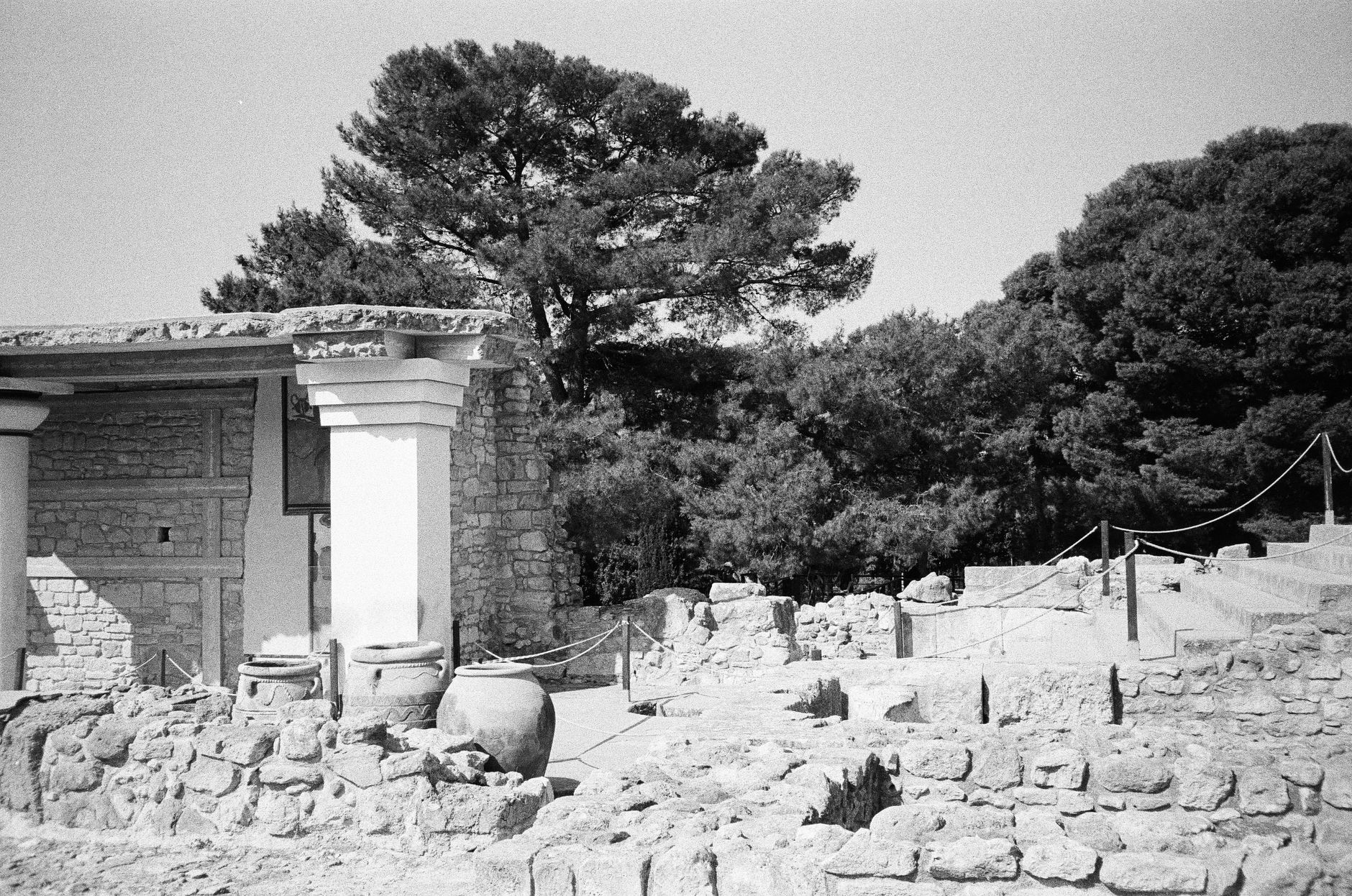
The Minoan civilization on Crete was likely the inspiration for Plato's Atlantis. A massive volcanic eruption occurred on the island in 1500 BCE. The Minoan palace of Knossos was discovered by Arthur Evans in 1900.
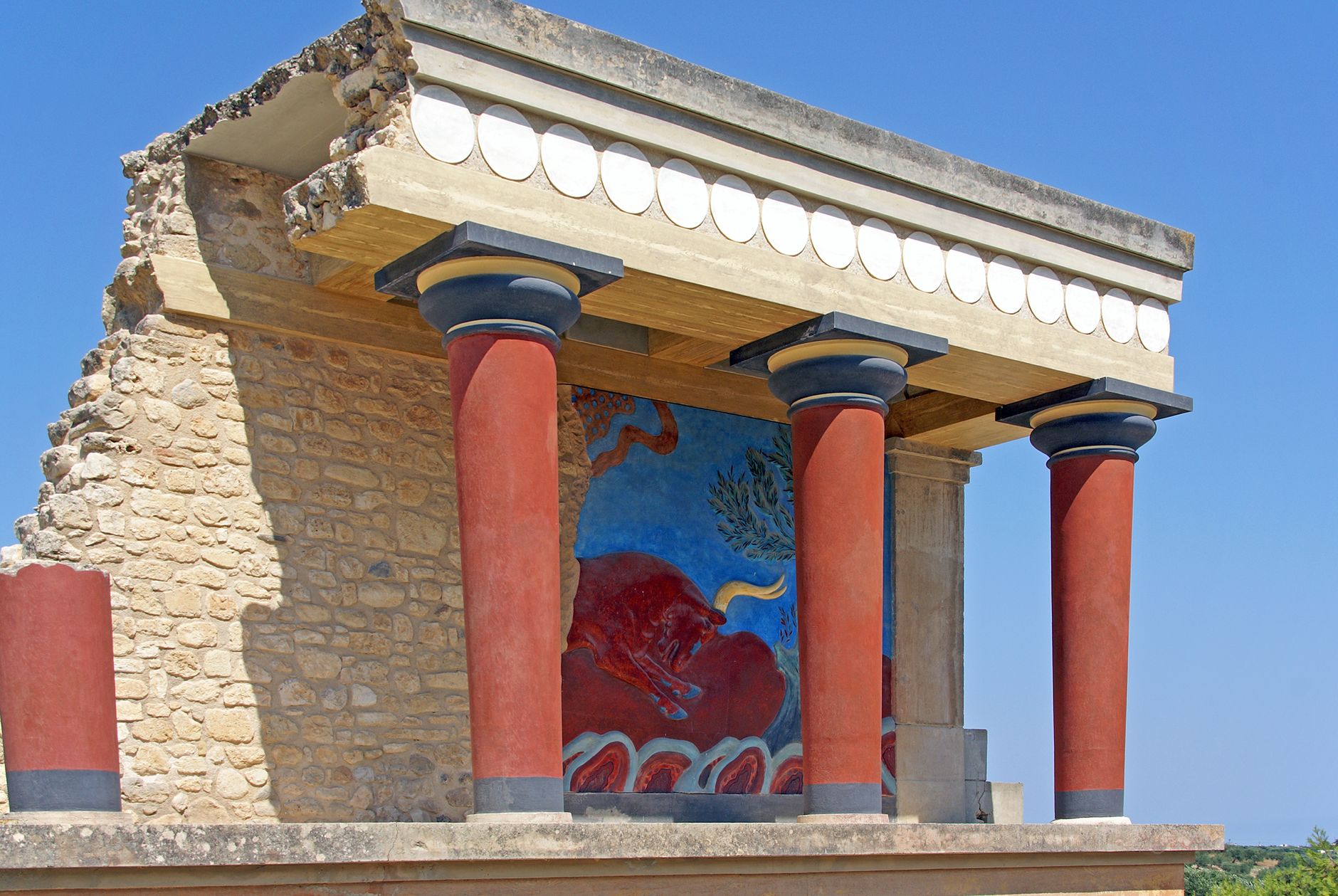
Photo by Gu Bra on Pexels
Atlantis Was Likely the Minoan Civilization
On the island of Crete, a massive volcanic eruption occurred on August 15, 1500 BCE, and the Greek philosopher Plato wrote about a lost civilization in his dialogue Timaeus, dated around 360 BCE, with the philosopher Solon learning about the story from an Egyptian priest in Sais, Egypt. The Minoan palace of Knossos, discovered by Arthur Evans in 1900, held the key to understanding this ancient civilization. Archaeologist Nanno Marinatos has extensively studied the Minoan civilization and its possible connection to the myth of Atlantis.
What Everyone Knows
Most people think that the story of Atlantis is a myth, a fantastical tale created by Plato to illustrate his philosophical ideas. The standard story goes that Atlantis was a powerful and advanced civilization that existed in the distant past, but was lost in a catastrophic event. This myth has been passed down for centuries, with many interpretations and speculations about the existence and location of Atlantis. Many consider it a work of fiction, a product of Plato's imagination, while others believe it may be based on a real event or place.
What History Actually Shows
Historian Rodney Castleden argues in his book "Atlantis Destroyed" that the Minoan civilization, which flourished on the island of Crete from around 2600 to 1100 BCE, was likely the inspiration for Plato's story of Atlantis. The Minoans were a advanced and prosperous civilization, known for their sophisticated palaces, art, and trade networks. Archaeologist Colin Renfrew notes in his book "The Emergence of Civilisation" that the Minoans were heavily influenced by their geographical location, with the island of Crete being prone to earthquakes and volcanic eruptions. The massive volcanic eruption on the island of Thera, which occurred around 1500 BCE, was a devastating event that destroyed the Minoan city of Akrotiri and had a profound impact on the entire civilization. Historian J. Lesley Fitton writes in her book "The Minoans" that the eruption would have caused widespread destruction and tsunamis, leading to a significant decline in the Minoan population and economy. The Greek historian Herodotus also wrote about the eruption of Thera, which he dated to around 1500 BCE, in his book "The Histories". By studying the archaeological evidence and historical records, it becomes clear that the Minoan civilization was a real and complex society that was heavily impacted by the volcanic eruption on Thera. The discovery of the Minoan palace of Knossos by Arthur Evans in 1900, and the subsequent excavations, have provided valuable insights into the culture and way of life of the Minoans, and have helped to shed light on the possible connection between the Minoan civilization and the myth of Atlantis.
The Part That Got Buried
Historians like Sir Arthur Evans, who excavated the Minoan palace of Knossos, played a significant role in downplaying the connection between the Minoans and Atlantis. Evans was more interested in promoting the idea of a peaceful, artistic Minoan society, and the possibility of a catastrophic volcanic eruption did not fit his narrative. The British School at Athens, which sponsored Evans' excavations, also contributed to the suppression of this story by focusing on the cultural and artistic achievements of the Minoans, rather than their demise. A concrete reason for this omission is that the excavation records and archaeological findings from the early 20th century were not thoroughly analyzed for evidence of a massive volcanic eruption, which would have supported the Atlantis theory. Scholars like Nikolaos Platon, who wrote extensively on Minoan archaeology, also failed to make the connection between the Minoans and Atlantis, further burying the story.
The Ripple Effect
The destruction of the Minoan civilization had a direct impact on the development of the Mycenaean civilization, which rose to power in mainland Greece after the Minoan collapse. The Mycenaeans adopted many of the Minoan cultural and artistic traditions, but their society was more militarized and less advanced. A specific modern thing that traces directly back to this event is the design of the Greek palace of Mycenae, which was influenced by the Minoan palace of Knossos. The Mycenaeans built their palace using similar architectural techniques and designs, which were later adopted by other civilizations in the region. This cultural exchange had a lasting impact on the development of Western architecture.
The Line That Says It All
The Minoan civilization was annihilated by the massive volcanic eruption on the island of Thera, an event that was later immortalized in the myth of Atlantis.
A Note on Sources
This article draws on historical records, documented accounts, and academic research related to the Minoan civilization and the myth of Atlantis.