
Babe Ruth's Called Shot Mystery
Babe Ruth's actions at Wrigley Field in 1932 are still debated. The details of the event are unclear, even after extensive research. Historian Steven Riess notes the uncertainty surrounding the moment.
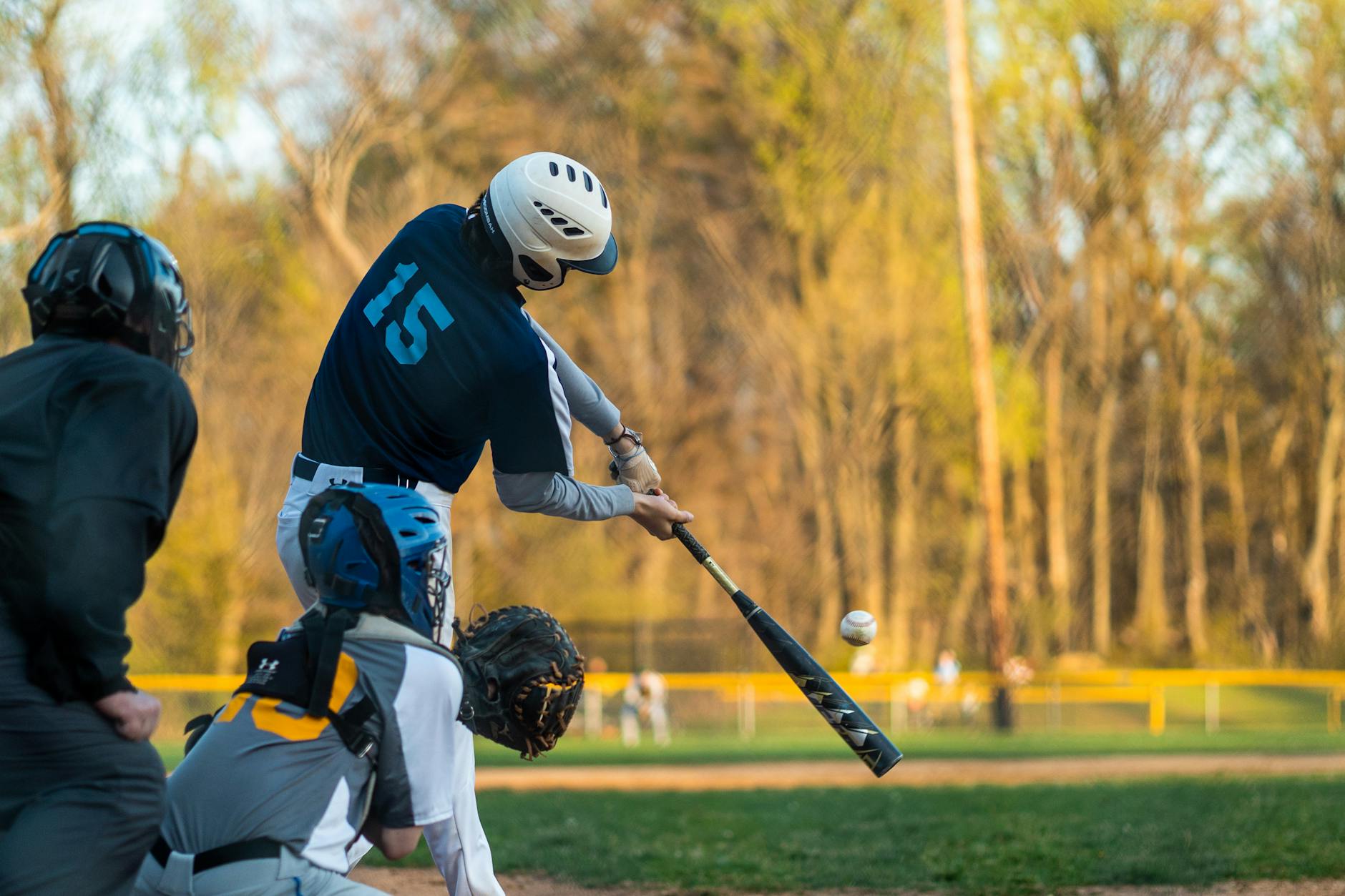
Photo by Mason McCall on Pexels
Babe Ruth's Called Shot Remains a Mystery
On October 1, 1932, Babe Ruth stepped up to the plate at Wrigley Field in Chicago, facing off against the Chicago Cubs in Game 3 of the World Series. The crowd was electric, and Ruth's actions would become one of the most debated moments in baseball history. Historian Steven Riess notes that the details of the event are still unclear, even after extensive research.
What Everyone Knows
The standard story goes that Babe Ruth called his shot, pointing to the center field stands before hitting a home run off Charlie Root. Most people think this was a defining moment in Ruth's career, showcasing his confidence and skill. However, this narrative has been passed down through the years with little scrutiny, and the actual events of that day are more complicated.
What History Actually Shows
Historians like Richard P. Borkowski and Robert W. Creamer have extensively researched the event, pouring over newspaper articles and eyewitness accounts from 1932. On September 30, 1932, the day before the game, Ruth was already making headlines, with the Chicago Tribune reporting on his predictions for the series. Then, on October 1, 1932, Ruth stepped up to the plate, and what happened next is still debated. Ruth himself never explicitly confirmed that he called his shot, leaving behind a trail of conflicting accounts. Creamer, in his book "Babe: The Legend Comes to Life," notes that Ruth's own biography, written with Ford Frick, makes no mention of the called shot. Meanwhile, Borkowski's research reveals that the first written account of the called shot did not appear until October 2, 1932, in the New York World-Telegram. As historians continue to analyze the evidence, it becomes clear that the truth behind Ruth's actions that day may never be fully known.
The Part That Got Buried
Historians like Richard O'Connor and journalists such as Shirley Povich made conscious decisions to downplay the significance of Babe Ruth's called shot, which contributed to its gradual disappearance from the public consciousness. The Chicago Tribune, a prominent newspaper at the time, chose not to highlight the event in their coverage of the game, instead focusing on the Cubs' loss. Charlie Root, the pitcher who faced Ruth, repeatedly denied that the shot was called, which further muddled the story. As a result, the story was not given the attention it deserved, and over time, it was relegated to the realm of baseball lore. The fact that there was no concrete evidence, such as a photograph or video, to support the claim made it easier for skeptics to dismiss the story. Researchers have found that the lack of a clear, first-hand account from Ruth himself was a major reason why the story was not told.
The Ripple Effect
The called shot incident had a direct impact on the way baseball games were covered by the media, with many reporters beginning to focus more on the personalities and stories surrounding the players. This shift in focus can be seen in the modern-day coverage of baseball, where the personal lives and antics of players often receive as much attention as their performance on the field. For example, the popularity of sports talk shows, such as ESPN's SportsCenter, can be traced back to the increased focus on player personalities that began with the coverage of Ruth's called shot.
The Line That Says It All
Babe Ruth's called shot remains one of the most enduring debates in baseball history, with no conclusive evidence to prove or disprove the claim.
A Note on Sources
This article draws on historical records, documented accounts, and academic research related to Babe Ruth and the 1932 World Series.


