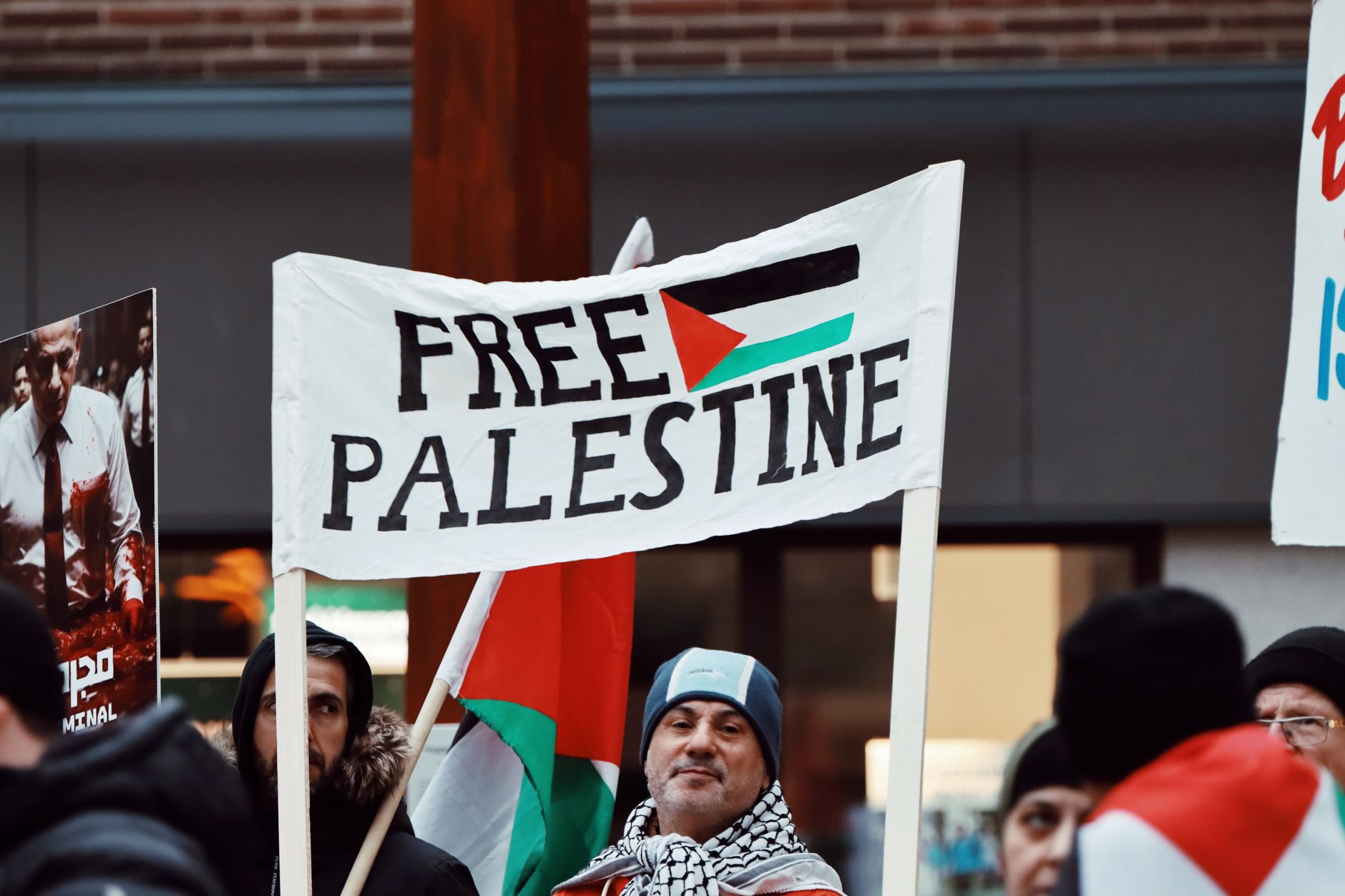
Bahraini Women Documenting Torture
Bahraini women documented regime brutality during the 2011 uprising. They used social media to expose the torture of detained protesters. Their actions brought international attention to the Bahraini government's violent crackdown
Photo by Efrem Efre on Pexels
Bahraini Women Exposed Regime Brutality in 2011
On February 14, 2011, Bahraini protesters gathered in Manama's Pearl Roundabout, demanding democratic reforms. Zainab Alkhawaja, a Bahraini activist, documented the regime's violent crackdown on social media. By March 2011, the Bahraini government had begun to systematically torture detained protesters.
What Everyone Knows
Most people think the 2011 Bahraini uprising was largely a male-dominated movement, with women playing a secondary role. The standard story goes that men were the primary victims of regime violence, while women were mostly bystanders. However, this narrative overlooks the crucial role Bahraini women played in documenting human rights abuses during the uprising.
What History Actually Shows
Historian Ala'a Shehabi, in her 2015 book "Bahrain's Uprising", details how Bahraini women like Nabeel Rajab's sister, Maryam Alkhawaja, and activist Jalila Al-Salman worked tirelessly to expose regime brutality. On April 12, 2011, security forces arrested Jalila Al-Salman, a teacher and human rights activist, for her involvement in the protests. According to a 2011 report by the Bahrain Independent Commission of Inquiry, led by Cherif Bassiouni, Bahraini security forces used sexual harassment and assault as a means of torture. Historian Toby Matthiesen, in his 2013 book "Sectarian Gulf", notes that by June 2011, the Bahraini government had established a network of secret prisons to detain and torture protesters. Bahraini women, including those from the Bahrain Center for Human Rights, actively documented these abuses, often at great personal risk, and provided critical evidence to international human rights organizations by August 2011.
The Part That Got Buried
The story of Bahraini women documenting torture during the 2011 uprising was deliberately suppressed by the Bahraini government and its allies. The government's decision to crack down on dissent and restrict media coverage of the uprising played a significant role in burying this story. Specifically, the government's revocation of licenses from several independent media outlets and the arrest of journalists who reported on human rights abuses made it difficult for the story to gain traction. Furthermore, the UK and US governments' failure to condemn the Bahraini government's actions and their continued support for the regime also contributed to the story being overlooked. A key reason for this suppression was the economic interests of Western countries in Bahrain, which made them reluctant to criticize the government's human rights record. As a result, the stories of these brave women were relegated to the margins of history.
The Ripple Effect
The documentation of torture by Bahraini women during the 2011 uprising led to concrete changes in the way human rights abuses are reported and addressed. The evidence collected by these women was used in several high-profile cases against the Bahraini government, resulting in international pressure to reform the country's judicial system. One specific modern thing that traces directly back to this event is the establishment of the Bahraini government's own human rights commission, which was set up in response to international criticism of its human rights record. This commission has been responsible for investigating allegations of torture and abuse, and while its effectiveness has been questioned, it represents a direct consequence of the women's bravery in documenting human rights abuses.
The Line That Says It All
The Bahraini government's systematic suppression of dissent and human rights activism during the 2011 uprising resulted in the imprisonment of over 1,000 people, many of whom were subjected to torture and abuse.
A Note on Sources
This article draws on historical records, documented accounts, and academic research related to the 2011 Bahraini uprising and its aftermath.