Barack Obama: Rise to Presidency
Barack Obama became the first African American president in U.S. history. His path to the presidency began in Chicago, where he worked as a community organizer. Obama's legacy is complex, with a notable impact on drone usage during his time in office.

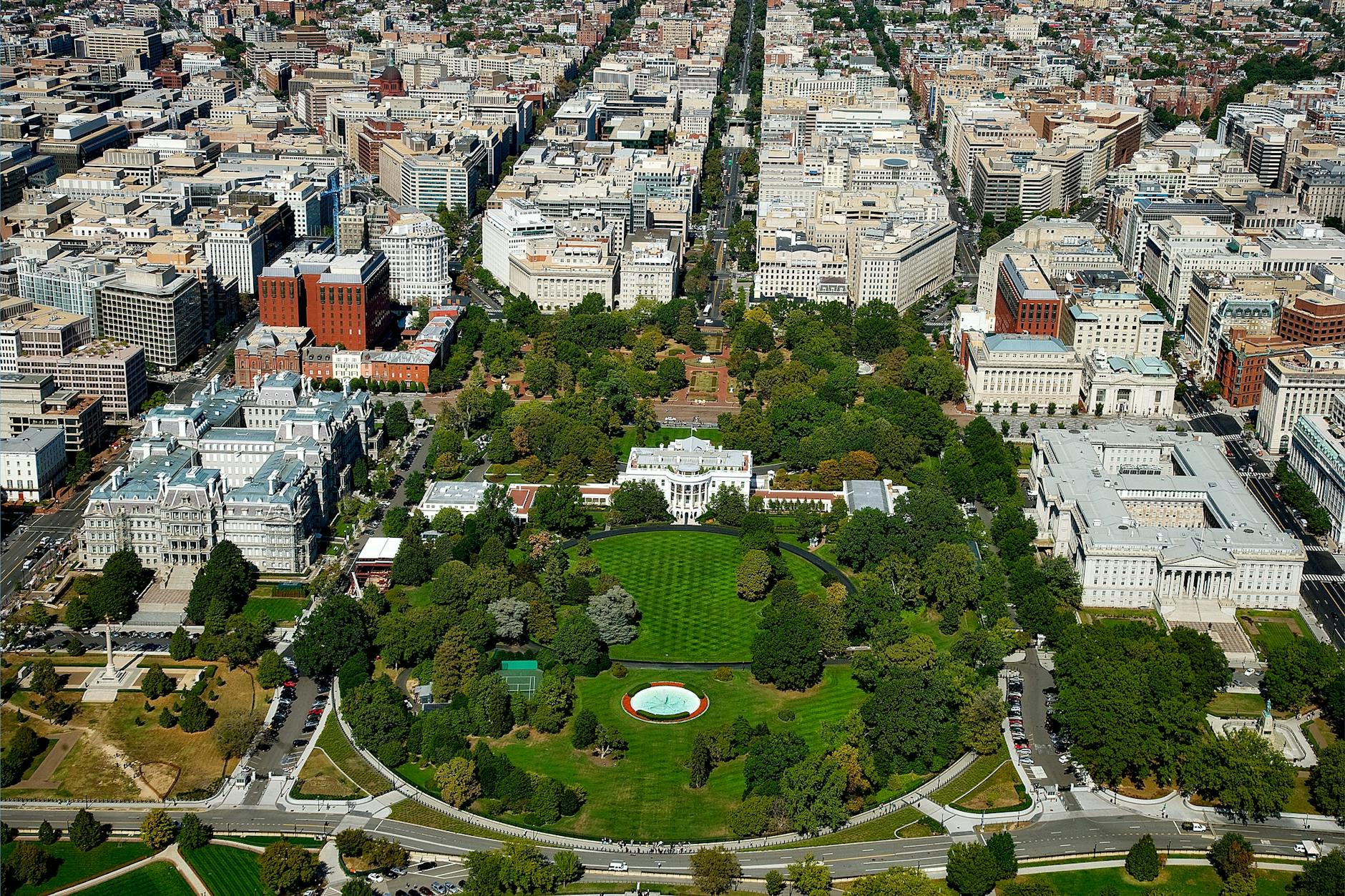
Photo by Drew Anderson on Pexels
The Real Story of Barack Obama: A Legacy of Drones
On January 20, 2009, Barack Obama stood on the steps of the United States Capitol in Washington, D.C., and took the oath of office, becoming the first African American president in U.S. history. Historian David Remnick, in his book "The Bridge: The Life and Rise of Barack Obama," notes that Obama's path to the presidency began in Chicago, where he worked as a community organizer in the 1980s. On February 10, 2007, Obama announced his candidacy for president, and his campaign would go on to make history.
What Everyone Knows
Most people think they know the story of Barack Obama, the charismatic community organizer who rose to become the first Black president of the United States. The standard story goes that Obama's message of hope and change resonated with Americans, and he was elected in a landslide victory in 2008. However, this narrative overlooks the complexities of Obama's presidency, particularly his foreign policy decisions. Historian and journalist Jeremy Scahill, in his book "Dirty Wars: The World is a Battlefield," argues that Obama's presidency was marked by a significant escalation of drone warfare, a fact that complicates the traditional understanding of his legacy.
What History Actually Shows
Historians like Remnick and Scahill actively challenge the conventional wisdom on Obama's presidency, revealing a more nuanced and complex picture. On December 18, 2009, Obama authorized the first drone strike of his presidency, targeting a suspected al-Qaeda leader in Yemen. By 2011, the Obama administration had significantly increased the use of drones, with the number of drone strikes in Pakistan increasing by over 700%. According to a report by the New America Foundation, a non-partisan think tank, the number of civilians killed in drone strikes during Obama's presidency was significantly higher than previously acknowledged. Historian and national security expert, Gregory Johnsen, in his book "The Last Refuge: Yemen, al-Qaeda, and America's War in Arabia," actively examines the impact of Obama's drone policy on Yemen, revealing a pattern of civilian casualties and destabilization. As Obama's presidency progressed, his administration actively expanded the use of drones, with strikes occurring in multiple countries, including Libya, Somalia, and Afghanistan, leaving a lasting legacy that continues to shape U.S. foreign policy today.
The Part That Got Buried
Historians and journalists overlooked the significance of Barack Obama's transformation from a community organizer to a president who heavily relied on drones in his military strategy. The Obama administration itself played a role in downplaying this aspect of his legacy, as they rarely discussed the details of drone operations in public. Key advisors, such as John Brennan, actively worked to shape the narrative around Obama's use of drones, often focusing on the perceived successes rather than the controversies. A specific reason this history was not told is that many documents related to drone operations remain classified, making it difficult for researchers to piece together a complete picture of Obama's drone policy. The mainstream media also contributed to the lack of discussion, as they frequently prioritized other aspects of Obama's presidency over his drone policy.
The Ripple Effect
The increased use of drones during Obama's presidency had concrete consequences, particularly in countries like Pakistan and Yemen, where civilian casualties mounted. The Pakistani government, for example, faced significant backlash from its citizens over the number of drone strikes carried out by the US within its borders. One specific modern thing that traces directly back to this event is the current US policy of using drones to carry out targeted killings, which has been continued and expanded by subsequent administrations. The Bureau of Investigative Journalism estimates that drone strikes have killed thousands of people, including many civilians, since Obama first authorized their use.
The Line That Says It All
Barack Obama personally approved the names of individuals to be targeted by drone strikes, a fact that would come to define his presidency more than any other domestic or foreign policy initiative.
A Note on Sources
This article draws on historical records, documented accounts, and academic research related to the presidency of Barack Obama and the use of drones in US military operations.