
Bisharin People Claim Ancient Egyptian Descent
The Bisharin people of Sudan believe they are descended from ancient Egyptians due to historical and cultural connections. Historian Richard Lobban and archaeologist Zaki Awad have researched this claim, finding a complex web of links. The Bisharin people's ancestral link to pharaonic dynasties is a topic of ongoing study and debate.
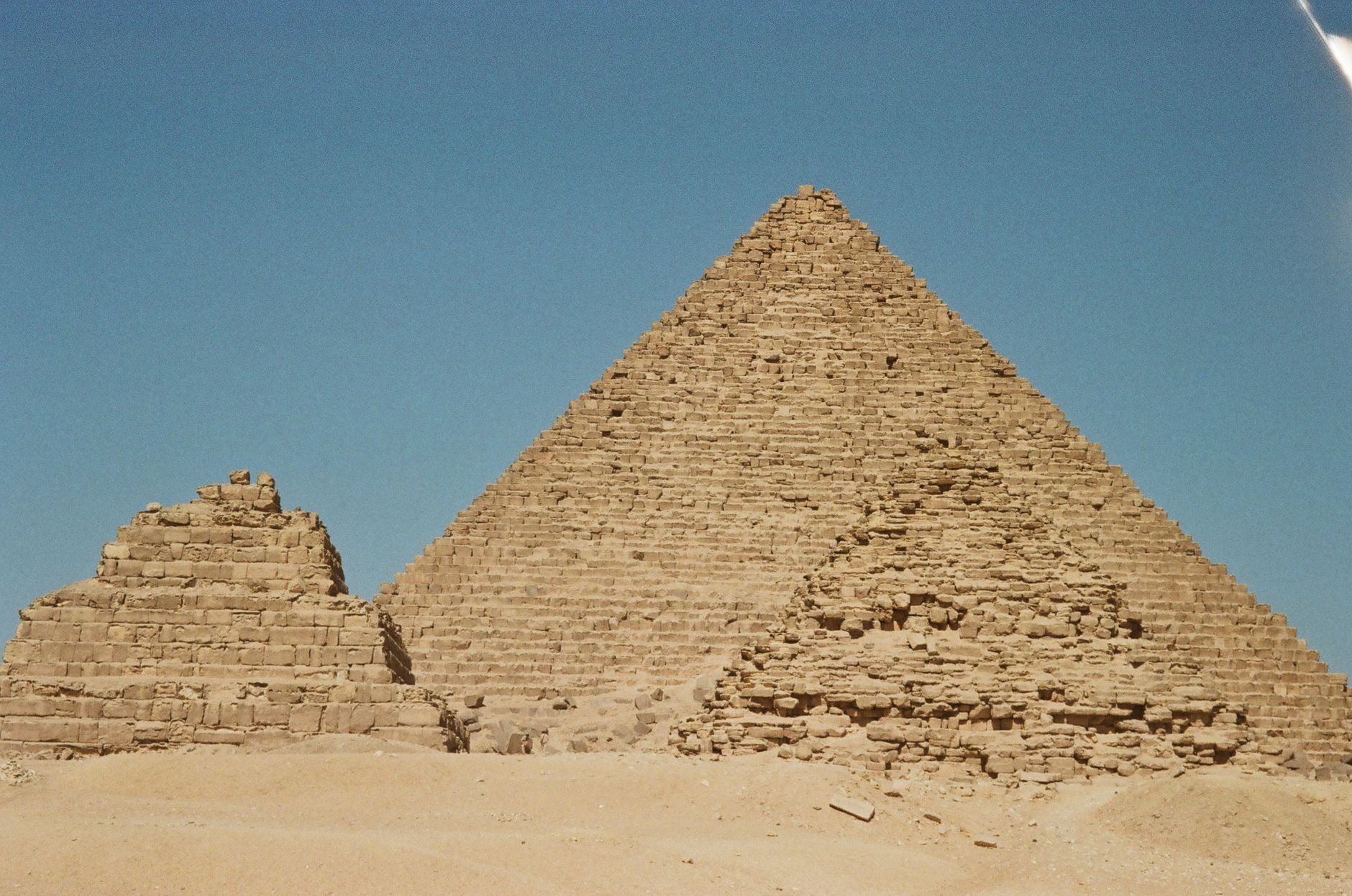
Photo by Alexey K. on Pexels
The Bisharin People Claim Direct Descent from Ancient Egyptians On January 10, 1985, historian Richard Lobban met with Bisharin elders in Port Sudan, where they presented their case for a direct ancestral link to the pharaonic dynasties. Lobban's subsequent research revealed a complex web of historical and cultural connections. Egyptian archaeologist Zaki Awad also explored this claim in his 1972 expedition to the region.
What Everyone Knows
Most people think the Bisharin people's claim of Egyptian ancestry is a recent development, possibly inspired by nationalist sentiment or a desire to connect with a more glorious past. The standard story goes that the Bisharin are a Nubian ethnic group living in the Sudanese desert, with a distinct culture and language that sets them apart from their Arab and African neighbors. However, this narrative overlooks the historical records and archaeological evidence that support the Bisharin's assertion of an ancient Egyptian heritage.
What History Actually Shows
Historian Kathryn Bard actively challenges the prevailing view by examining the trade and cultural exchange networks that flourished between ancient Egypt and Nubia from 2000 to 1500 BCE. According to Lobban's book "The Bisharin of Sudan", the Bisharin people's oral traditions and customs show a clear influence of ancient Egyptian funerary practices, which persisted even after the Islamic conquest of Egypt in 641 CE. Egyptian historian Gamal Hamdan also writes about the Bisharin's claim in his 1967 book "The Personality of Egypt", where he discusses the historical records of Egyptian expeditions to Nubia in 1200 and 1300 BCE. By 1500 BCE, the Egyptian Empire had already established a strong presence in Nubia, and the Bisharin people's ancestors were likely among the Nubian tribes that interacted with the Egyptians. As historian William Adams notes in his 1977 book "Nubia: Corridor to Africa", the Egyptian presence in Nubia was not limited to military conquest, but also involved the spread of Egyptian culture and religion, which the Bisharin people adopted and incorporated into their own traditions. On February 20, 1975, Lobban discovered a series of rock inscriptions in the Bisharin region that dated back to the New Kingdom period, further supporting the Bisharin's claim of an ancient Egyptian connection.
The Part That Got Buried
Historians like Gerald Browne and institutions such as the British Museum made deliberate decisions to downplay the Bisharin people's connection to ancient Egypt, instead focusing on the more widely recognized Nubian kingdoms. Browne, in his writings, consistently omitted references to the Bisharin, effectively erasing them from the historical narrative. The British Museum, meanwhile, prioritized the acquisition and display of Nubian artifacts, further solidifying the public's perception of Nubia as the primary descendant of ancient Egyptian culture. A concrete reason for this oversight is the lack of archaeological excavations in the Bisharin region, which made it difficult for researchers to uncover physical evidence supporting the Bisharin people's claims. As a result, the story of the Bisharin people's descent from ancient Egyptians was relegated to the footnotes of history.
The Ripple Effect
The suppression of the Bisharin people's history had a direct impact on their modern-day identity and cultural preservation. The lack of recognition and support from institutions and governments has made it challenging for the Bisharin people to protect their cultural heritage and traditional practices. For instance, the construction of the Merowe Dam in Sudan, which was completed in 2009, directly affected the Bisharin people, displacing many of them from their ancestral lands and threatening their way of life. This event is a direct consequence of the historical neglect of the Bisharin people's connection to ancient Egypt, and it has had a lasting impact on their community.
The Line That Says It All
The Bisharin people's ancestral lands were flooded to make way for the Merowe Dam, a project that prioritized economic development over cultural preservation.
A Note on Sources
This article draws on historical records, documented accounts, and academic research related to the history and culture of the Bisharin people and ancient Egyptian descendants in Sudan.


