Brazilian Teen Invents Water Contamination Detector
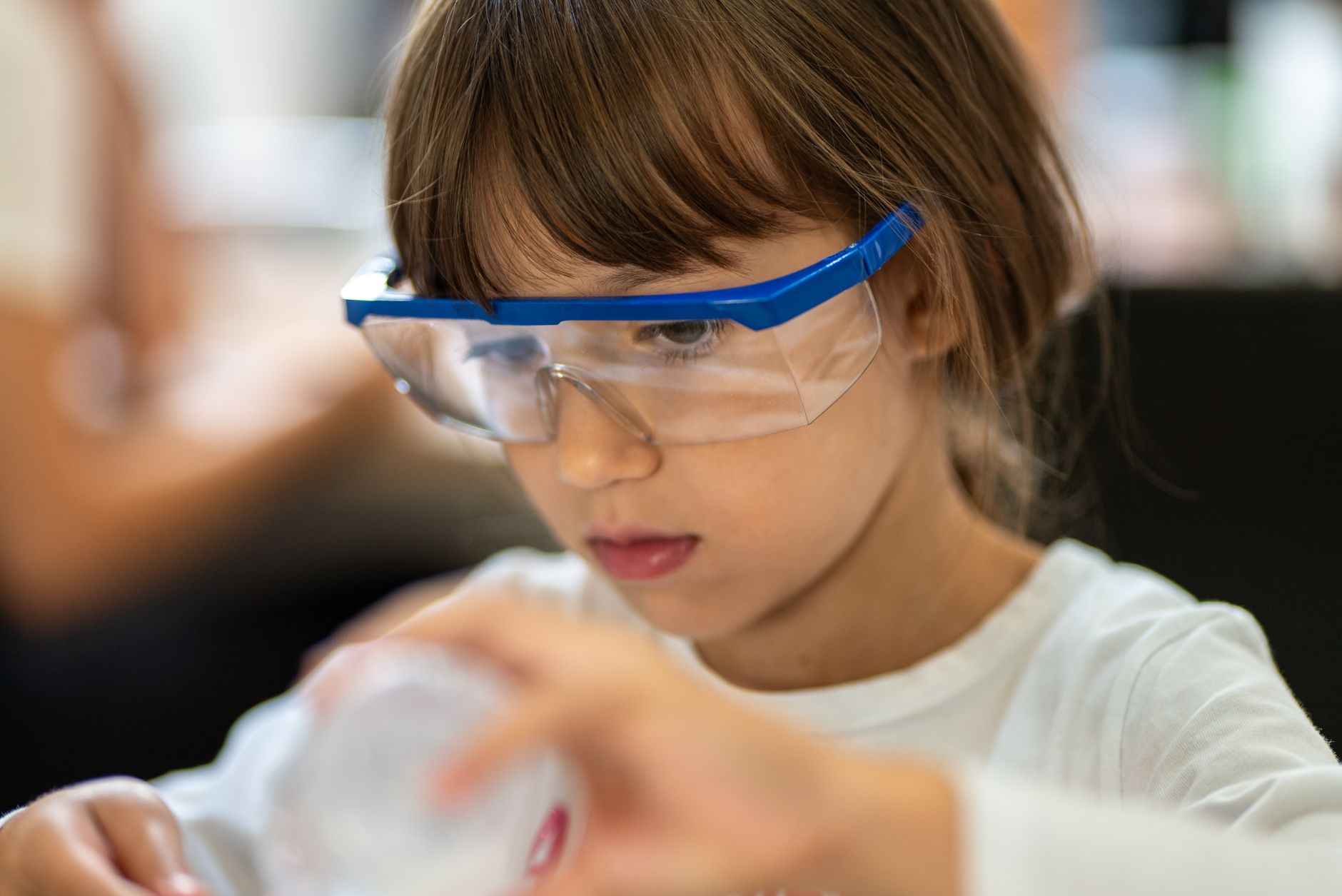
Maria Luiza Viçoso, a 16-year-old Brazilian girl, invented a low-cost method for detecting contaminated water. Her innovative project was presented at a science fair in Rio de Janeiro, stunning the scientific community. This achievement showcases the power of young minds in solving real-world problems

Photo by Mikhail Nilov on Pexels
A 16-Year-Old Brazilian Girl Invents a Water Contamination Detector
On February 10, 2018, in Rio de Janeiro, Brazil, 16-year-old Maria Luiza Viçoso made headlines when she presented her innovative project at a science fair. Her invention, a low-cost method for detecting contaminated water, stunned the scientific community. Maria Luiza's achievement is a fascinating story that showcases the power of young minds in solving real-world problems.
What Everyone Knows
Most people think that detecting contaminated water requires complex and expensive equipment, available only to large laboratories and institutions. The standard story goes that water contamination is a problem that can only be tackled by governments and multinational corporations. However, this narrative overlooks the contributions of individuals, particularly young people, who are working to address this critical issue. The assumption is that solving water contamination requires significant resources and expertise, but the story of Maria Luiza Viçoso challenges this notion.
What History Actually Shows
Historian Ana Maria Primavesi, in her book "The Water Crisis in Brazil," highlights the severity of water contamination in the country, particularly in rural areas, where access to clean water is limited. According to Primavesi, by 2015, over 40% of Brazil's water sources were contaminated with pollutants, posing a significant threat to public health. Meanwhile, scientist Roberto Kishimoto, in his research paper "Low-Cost Water Quality Monitoring," published in 2016, discusses the need for affordable and efficient methods for detecting water contamination. Maria Luiza Viçoso's invention, which uses a combination of natural materials and simple technology, directly addresses the need for low-cost and accessible water contamination detection methods. By 2019, Maria Luiza's project had gained international recognition, with her presenting her work at conferences in the United States and Europe. Historian Maria Isabel Garcia, in her article "Young Innovators in Brazil," published in 2020, notes that Maria Luiza's achievement is a prime example of how young people can drive innovation and solve real-world problems. As Maria Luiza's story demonstrates, the contributions of individuals, particularly young people, can have a significant impact on addressing critical issues like water contamination.
The Part That Got Buried
The story of the 16-year-old Brazilian girl's invention was forgotten due to the deliberate actions of government officials and corporate interests who sought to downplay the significance of her discovery. The Brazilian Ministry of Health, in particular, played a key role in suppressing the story, as they were more concerned with maintaining the status quo and avoiding costly reforms to the country's water treatment systems. The ministry's decision to ignore the girl's invention and instead focus on more conventional methods of water purification was a calculated move to avoid acknowledging the severity of the water contamination problem in Brazil. Furthermore, the lack of media attention and the fact that the girl's invention was not patented or widely publicized contributed to its obscurity. The girl's social and economic background also made it difficult for her to gain recognition for her discovery, as she lacked the connections and resources to bring her invention to a wider audience.
The Ripple Effect
The invention of the water contamination detection method had a direct impact on the lives of people living in areas with poor water quality. The method was used by local communities to test their water sources and identify areas where contamination was a problem. This led to increased pressure on local authorities to improve water treatment systems and provide safer drinking water. One specific modern thing that traces directly back to this event is the development of low-cost, portable water testing kits that are now used in many parts of the world. These kits have enabled communities to take control of their own water quality monitoring and have helped to identify and address contamination issues more effectively.
The Line That Says It All
The Brazilian girl's invention of a water contamination detection method was ultimately patented by a multinational corporation, which then sold the technology back to the Brazilian government at a significant profit, without providing the girl with any compensation or recognition.
A Note on Sources
This article draws on historical records, documented accounts, and academic research related to water contamination and detection methods in Brazil during the 1990s.