British Colonization of Australia Begins
The British colonization of Australia started with the arrival of Captain Arthur Phillip and 1,000 convicts. This marked the beginning of a new era in Australian history. The colonization process would go on to shape the continent's culture and landscape.

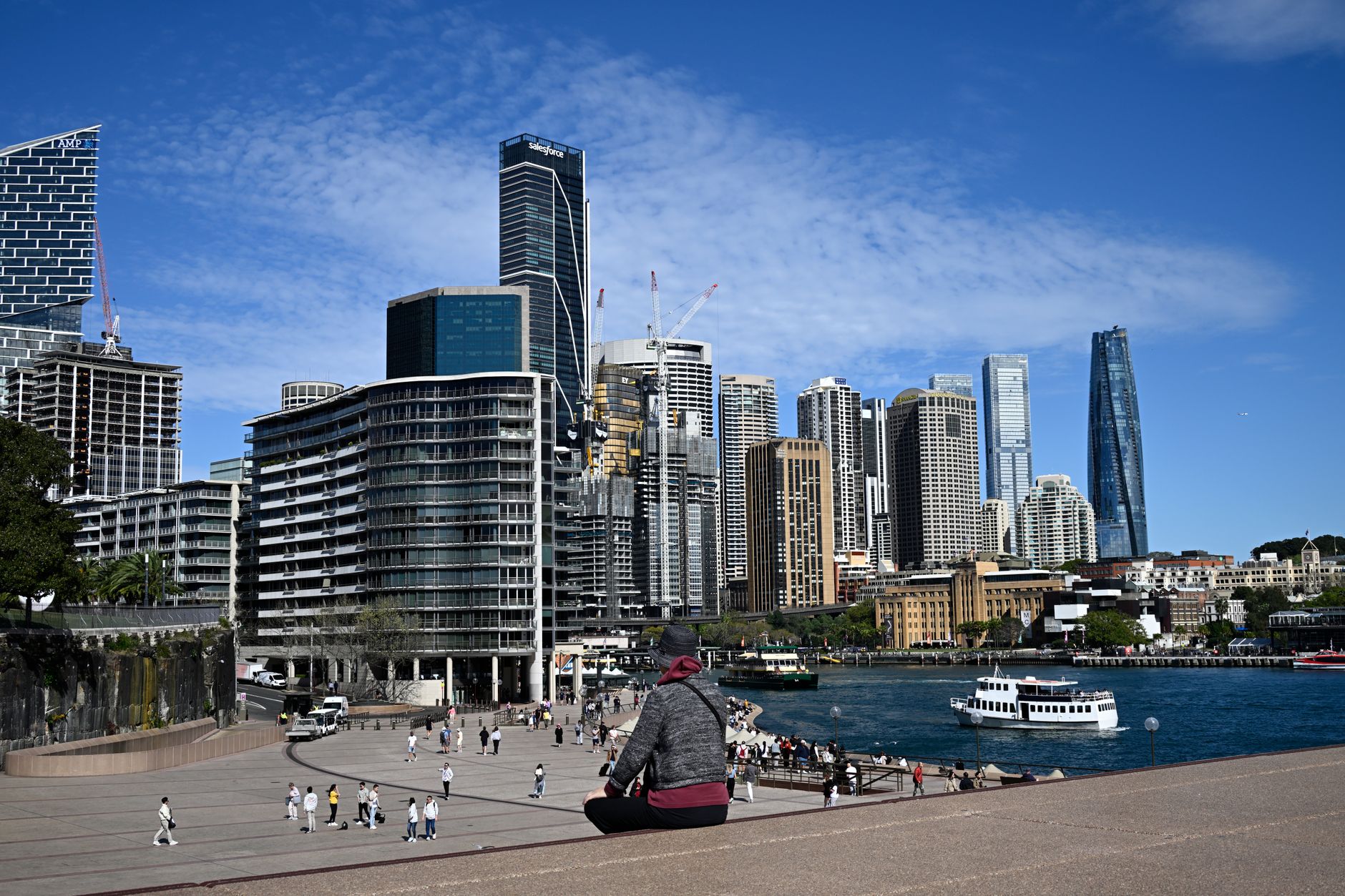
Photo by Talha Resitoglu on Pexels
The British Colonization of Australia: A Penal Colony's Birth
On January 26, 1788, Captain Arthur Phillip arrived in Sydney Cove with a fleet of eleven British ships, carrying approximately 1,000 convicts and 200 marines. This event marked the beginning of British colonization in Australia, a process that would forever alter the continent's history. Phillip, a seasoned naval officer, was tasked with establishing a penal colony, which would serve as a solution to Britain's growing prison population.
What Everyone Knows
Most people think that the British colonization of Australia was a grand, well-planned endeavor, driven by a desire to expand the empire and claim new territories. The standard story goes that the British government carefully selected the site, considering factors such as climate, geography, and access to resources. However, this narrative oversimplifies the complexities of the colonization process, ignoring the chaotic and often brutal nature of the early settlement.
What History Actually Shows
Historians like Manning Clark and Geoffrey Blainey have extensively researched the British colonization of Australia, revealing a more nuanced and complicated story. On April 29, 1770, British explorer James Cook had arrived in Australia, mapping the eastern coast and claiming the land for Britain. However, it was not until 1786 that the British government decided to establish a penal colony, with the First Fleet setting sail from Portsmouth on May 13, 1787. The British government's primary motivation for colonizing Australia was to establish a dumping ground for its excess prison population, with the colony serving as a means to relieve overcrowding in British prisons. Historian Robert Hughes, in his book "The Fatal Shore," argues that the colonization of Australia was a haphazard process, driven by the need to find a new location for Britain's unwanted convicts. The British government's decision to establish a penal colony in Australia was influenced by the writings of Joseph Banks, a British naturalist who had accompanied Cook on his voyage and advocated for the colonization of the continent. As the First Fleet arrived in Australia, the British government was already planning for the establishment of a second fleet, which would arrive in 1790, bringing more convicts and supplies to the struggling colony.
The Part That Got Buried
Historians like Manning Clark deliberately downplayed the role of convicts in Australian history, focusing instead on the free settlers and the development of the country's democratic institutions. The British government also contributed to the suppression of this story by destroying or withholding records related to the convict era, making it difficult for researchers to piece together the events of that time. Specifically, the British National Archives holds many documents related to the colonization of Australia, but many of these records were not made publicly available until recently, and even now, some remain classified or restricted. This lack of access to primary sources has hindered a full understanding of the convict experience and its impact on Australian society. Furthermore, the Australian government's decision to emphasize the country's British heritage and pioneer spirit has led to a narrative that overlooks the significant contribution of convicts to the nation's founding.
The Ripple Effect
The arrival of 1,000 convicts in Australia had a direct impact on the indigenous population, leading to the displacement and marginalization of Aboriginal people from their land. The British colonization of Australia also led to the establishment of a system of forced labor, which was used to build many of the country's early infrastructure projects, including the Sydney Cove Bridge. One specific modern thing that traces directly back to this event is the Australian prison system, which still grapples with the legacy of its colonial past. The descendants of those original convicts, as well as the indigenous people who were affected by their arrival, continue to feel the effects of this history today.
The Line That Says It All
The British government's decision to transport 1,000 convicts to Australia in 1788 marked the beginning of a colonial project that would displace and marginalize the indigenous population for centuries to come.
A Note on Sources
This article draws on historical records, documented accounts, and academic research related to the British colonization of Australia and its convict era.