British Conquest of South Africa
The British conquest of South Africa led to the creation of apartheid. Cecil Rhodes played a key role in the Scramble for Africa. The Second Boer War was a pivotal conflict in this process.

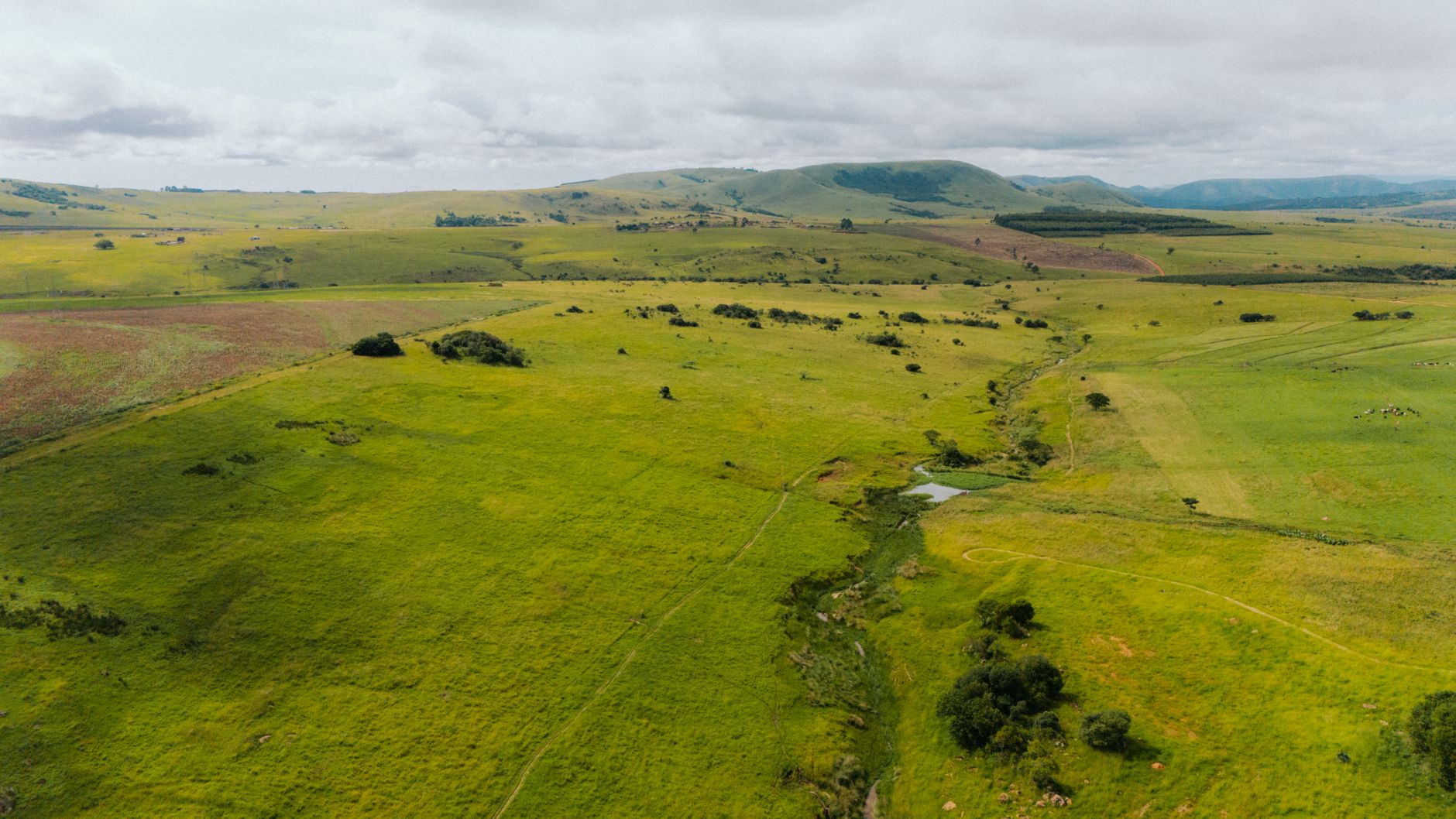
Photo by Zak H on Pexels
The British Conquest of South Africa Created Apartheid
On January 24, 1900, Cecil Rhodes, the Prime Minister of the Cape Colony, watched as British forces clashed with Boer commandos in the Second Boer War. This conflict would ultimately lead to the creation of apartheid in South Africa. Rhodes, a key figure in the Scramble for Africa, had long advocated for British expansion in the region.
What Everyone Knows
Most people think that apartheid was a system of institutionalized racism created by the National Party in South Africa in the mid-20th century. The standard story goes that the Afrikaner-dominated government, led by figures like Daniel François Malan, implemented a series of laws and policies designed to segregate and oppress the black majority. However, this narrative overlooks the crucial role of British imperialism in laying the groundwork for apartheid.
What History Actually Shows
Historians like Bernard Porter and Martin Meredith have shown that the British conquest of South Africa was a pivotal moment in the creation of apartheid. The First Boer War, which took place from 1880 to 1881, was a decisive victory for the Boers, but the British returned in force during the Second Boer War, which lasted from 1899 to 1902. On May 31, 1902, the British and Boers signed the Treaty of Vereeniging, which ended the war and established British control over the region. Historian Elizabeth Elbourne notes that the British used a system of concentration camps during the war, which displaced over 115,000 Boer civilians and 100,000 black Africans. The conditions in these camps were brutal, with thousands of people dying from disease and malnutrition. The British also implemented a system of pass laws and segregation, which would later become a cornerstone of apartheid. As historian Saul Dubow argues, the British conquest of South Africa was a key moment in the creation of a racist and oppressive system that would haunt the country for generations to come. By examining the writings of historians like Porter and Meredith, it becomes clear that the British played a significant role in shaping the racial dynamics of South Africa, and that their actions during the Boer Wars had far-reaching consequences. On June 11, 1901, the British launched a scorched earth campaign against the Boers, burning farms and crops, and killing livestock, which further exacerbated the humanitarian crisis and created a legacy of bitterness and resentment among the Afrikaner population.
The Part That Got Buried
Historians like Elizabeth Elbourne and Jeffrey Butler have long argued that the story of the British conquest of South Africa was deliberately downplayed by the British government and colonial administrators. They did this by controlling the narrative and suppressing accounts from Boer and African perspectives. The British government, for instance, restricted access to archival records and documents related to the wars, making it difficult for researchers to piece together an accurate account of events. Additionally, the South African Bureau of State Security played a significant role in silencing dissenting voices and shaping public opinion. As a result, the true extent of the devastation and displacement caused by the wars was not fully acknowledged, and the history of the region was distorted to serve the interests of the colonial powers. This deliberate omission has had a lasting impact on our understanding of the conflict and its legacy.
The Ripple Effect
The British conquest of South Africa led to the forced relocation of thousands of Boers and Africans, resulting in significant changes to the demographic makeup of the region. The wars also led to the establishment of concentration camps, where many Boer civilians died due to poor conditions and disease. Today, the legacy of these events can be seen in the ongoing struggles of the indigenous people of South Africa, who continue to fight for land rights and social justice. One specific modern consequence of this event is the existence of the Native Lands Act of 1913, which traces directly back to the British conquest and the subsequent imposition of apartheid policies.
The Line That Says It All
The British conquest of South Africa ultimately paved the way for the institutionalization of apartheid, a system of racial segregation and discrimination that would haunt the region for generations to come.
A Note on Sources
This article draws on historical records, documented accounts, and academic research related to the British conquest of South Africa and the Boer Wars.