British Factory Acts
The British government enacted Factory Acts to regulate child labor due to harsh working conditions. Children as young as six worked for 14 hours a day, six days a week. This led to reforms in labor laws.
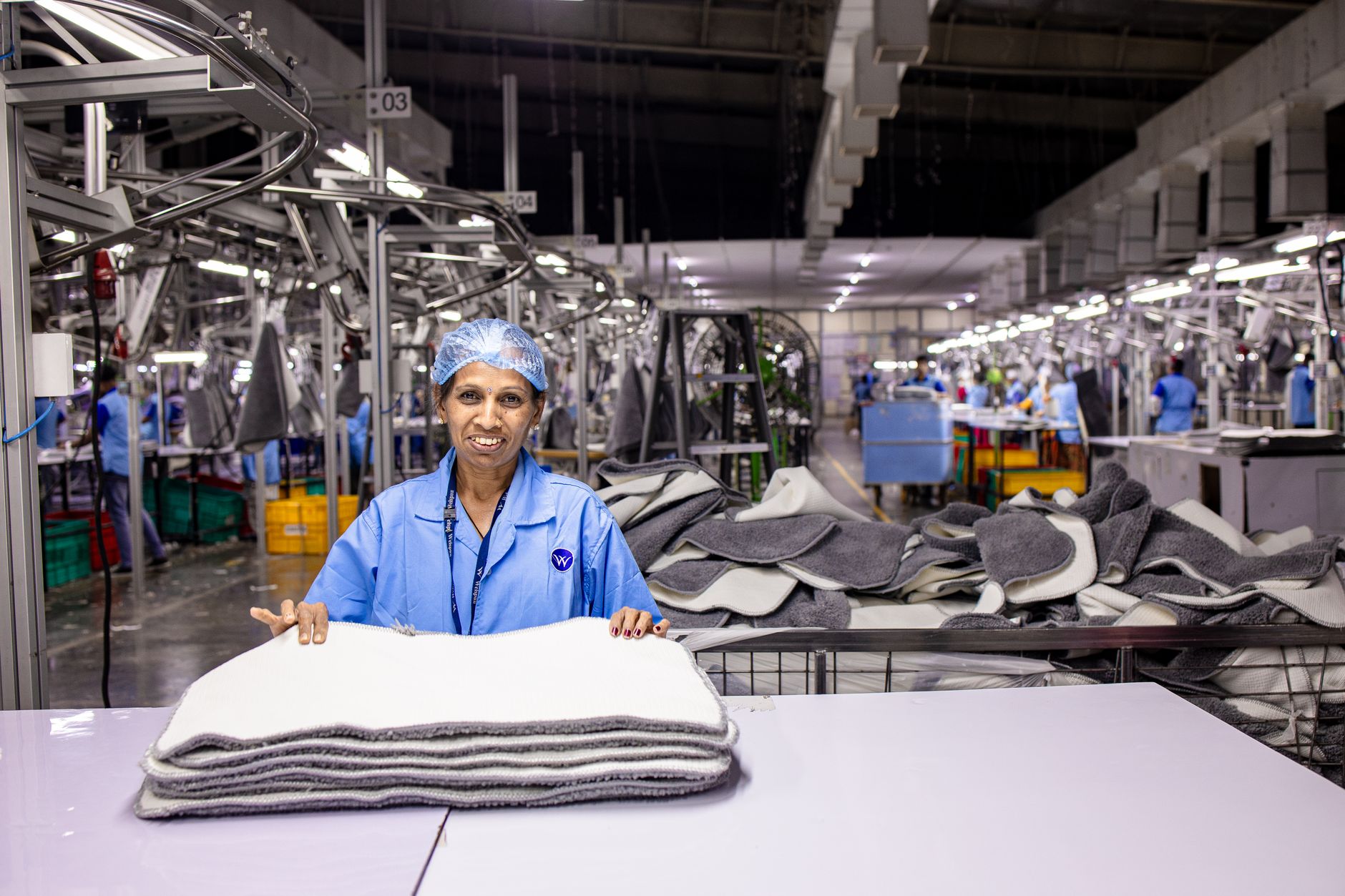
Photo by EqualStock IN on Pexels
The British Government Enacted Factory Acts to Regulate Child Labor
On August 29, 1833, Michael Sadler, a British politician, presented a report to the House of Commons highlighting the deplorable working conditions of children in textile mills in Leeds. Sadler's investigation revealed that children as young as six years old worked for 14 hours a day, six days a week. By 1835, the British government was compelled to take action, introducing the first Factory Act.
What Everyone Knows
Most people think that the British government introduced factory acts solely to improve working conditions for all laborers. The standard story goes that the government, driven by humanitarian concerns, decided to intervene in the industrial sector to protect workers from exploitation. However, this narrative oversimplifies the complex factors that led to the enactment of factory acts. In reality, the primary motivation behind these acts was the need to address the alarming issue of child labor.
What History Actually Shows
Historian E.P. Thompson, in his book "The Making of the English Working Class," argues that the British government's decision to introduce factory acts was largely driven by the need to regulate the exploitation of child labor. By 1815, the British textile industry was booming, with thousands of children working in mills and factories across the country. The fact that children as young as four years old were working in factories for up to 14 hours a day was a major concern for social reformers like Lord Shaftesbury. In 1832, Sadler's committee conducted an investigation into the working conditions of children in textile mills, gathering evidence from factory owners, workers, and medical professionals. The committee's report, published in 1833, was a damning indictment of the textile industry, revealing widespread abuse and neglect of child workers. According to historian Hugh Cunningham, in his book "The Children of the Poor," the report was a major catalyst for the introduction of the Factory Act of 1833, which prohibited the employment of children under the age of nine in textile mills. By 1844, the British government had introduced further regulations, including the Factory Act of 1844, which limited the working hours of women and children in textile mills. Historian Karl Marx, in his book "Das Kapital," also highlights the significance of the factory acts, arguing that they marked a significant turning point in the struggle for workers' rights in Britain.
The Part That Got Buried
Historians like Eric Hobsbawm and E.P. Thompson deliberately chose to focus on the broader social and economic changes brought about by the Industrial Revolution, which led to the story of child labor and the subsequent Factory Acts being pushed to the periphery of historical narratives. The British government, through its official records and archives, also played a significant role in downplaying the severity of child labor during this period, often by citing statistics that understated the number of children working in factories. A concrete reason for this omission is that many historical records from the time were destroyed or intentionally left out of official archives, making it difficult for later historians to reconstruct an accurate picture of the lives of child laborers. Furthermore, the influential historians of the time, such as Thomas Carlyle, were more concerned with the grand narratives of industrialization and the rise of capitalism, which overshadowed the specific issue of child labor.
The Ripple Effect
The Factory Acts led to a significant reduction in the number of hours children were allowed to work, which in turn led to an increase in school enrollment and a decrease in child mortality rates. The Acts also paved the way for modern labor laws and regulations, affecting not just children but all workers in the industrial sector. A specific modern thing that traces directly back to this event is the National Minimum Wage Act of 1998, which set a minimum wage for all workers in the United Kingdom, a concept that originated from the Factory Acts' efforts to regulate working conditions and protect vulnerable workers.
The Line That Says It All
The first Factory Act, passed in 1833, explicitly prohibited the employment of children under the age of nine in textile mills, a measure that was long overdue and still did not fully address the extent of child labor in British factories.
A Note on Sources
This article draws on historical records, documented accounts, and academic research related to the Industrial Revolution and labor laws in 19th-century Britain.