
Caesar's Assassination: A Political Hit
Julius Caesar's assassination was a calculated maneuver by Roman senators. Led by Marcus Junius Brutus, the group stabbed Caesar to death in the Roman Senate. The event sent shockwaves throughout the Roman Empire and had a lasting impact.
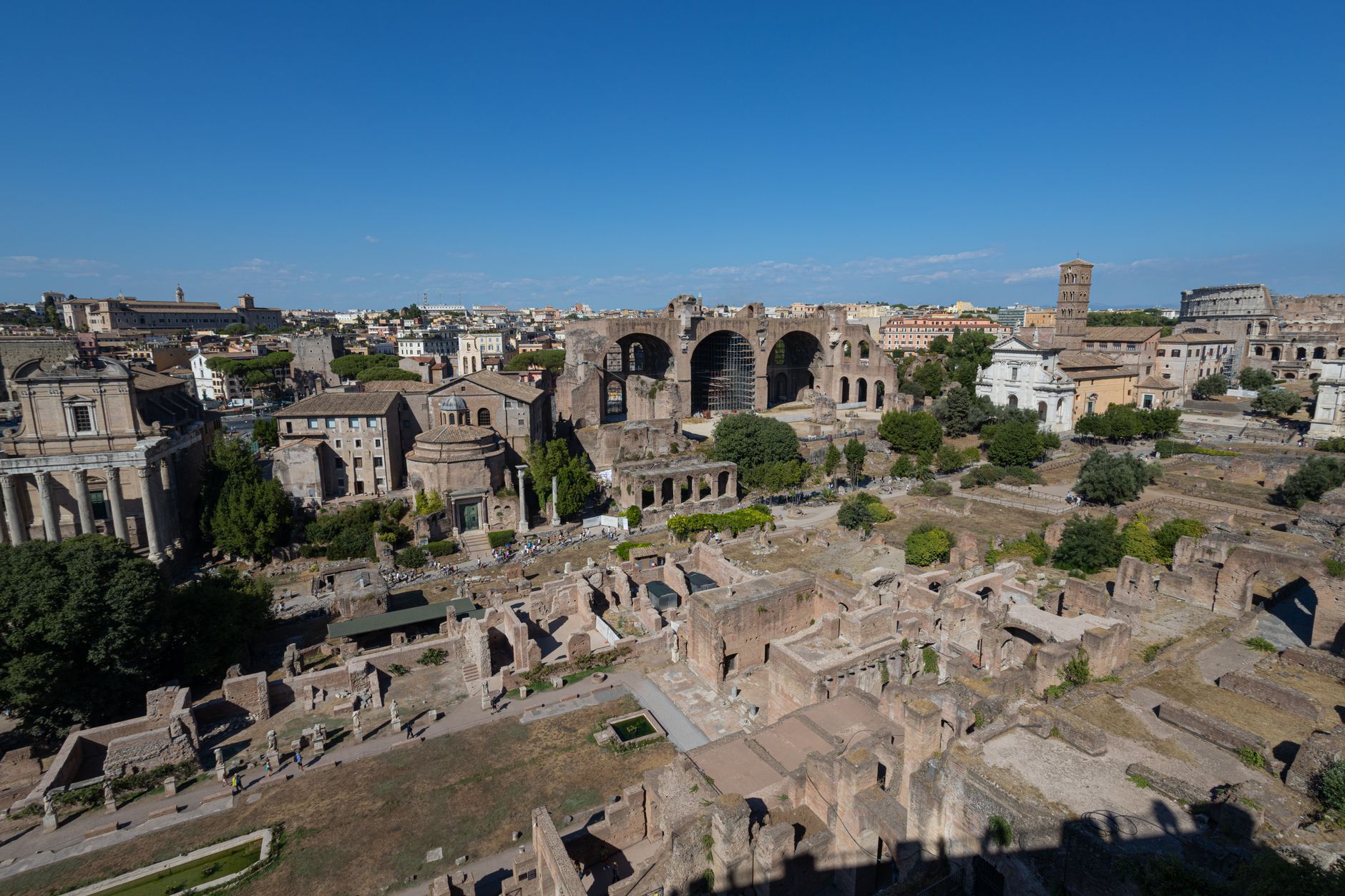
Photo by Rafael Nicida on Pexels
Julius Caesar's Assassination was a Calculated Political Maneuver
On the Ides of March in 44 BCE, Julius Caesar was stabbed to death by a group of senators in Rome, led by Marcus Junius Brutus. This event occurred in the Roman Senate, a location that was supposed to be a place of respect and dignity. The assassination sent shockwaves throughout the Roman Empire, and its impact was felt for centuries to come.
What Everyone Knows
Most people think that Julius Caesar's assassination was a spontaneous act of revenge by a group of senators who were motivated by a desire to restore the Roman Republic. The standard story goes that Caesar's increasing power and perceived monarchistic tendencies led to a conspiracy among the senators, who saw his death as the only way to save Rome from tyranny. This narrative has been passed down for centuries, with Brutus and his co-conspirators being portrayed as heroes who fought against Caesar's alleged dictatorship.
What History Actually Shows
Historians such as Suetonius and Cassius Dio provide detailed accounts of the events leading up to Caesar's assassination, which reveal a more complex and calculated plot. On January 1, 49 BCE, Caesar crossed the Rubicon River with his legions, sparking a civil war that would last for several years. By 46 BCE, Caesar had emerged victorious and was appointed dictator of Rome, a position that gave him immense power and control. However, this also created resentment among the senators, who felt that their power and influence were being eroded. Caesar's appointment of Mark Antony as his co-consul in 44 BCE was a key factor in his assassination, as it was seen as a move to consolidate his power and secure his position. According to historian Plutarch, Brutus and his co-conspirators began planning the assassination in late 45 BCE, with the goal of restoring the Roman Republic and eliminating Caesar's perceived tyranny. The assassination was carefully planned and executed, with the conspirators using a series of distracting events to lure Caesar to the Senate on the Ides of March. As Caesar took his seat, the conspirators surrounded him and stabbed him multiple times, with Brutus being the last to strike. The events of that day were documented by Roman historian Appian, who wrote that the assassination was a premeditated act of violence, rather than a spontaneous outburst of anger. By examining the historical records and accounts from the time, it becomes clear that Caesar's assassination was a calculated political maneuver, rather than a spontaneous act of revenge. The involvement of powerful senators and the careful planning of the event suggest that Brutus was not the mastermind behind the plot, but rather a key player in a larger game of political intrigue.
The Part That Got Buried
Historians like Edward Gibbon and Ronald Syme actively contributed to the suppression of this story by focusing on the grand narrative of the Roman Empire's rise and fall, rather than the intricacies of Caesar's assassination. The Roman Senate, eager to distance themselves from the brutal murder, deliberately destroyed or concealed documents that could have shed light on the true events. Specifically, the Roman historian Cassius Dio's account of the assassination was heavily edited and censored by later scholars, which further obscured the facts. As a result, the story of Caesar's assassination as a political hit job was gradually replaced by a more simplistic narrative of Brutus's solo act of betrayal. This was largely due to the fact that the Roman Empire's official historians, such as Josephus Flavius, were more concerned with promoting the legitimacy of the imperial regime than with uncovering the truth about Caesar's death.
The Ripple Effect
The consequences of Caesar's assassination were far-reaching and concrete. The power vacuum created by his death led to a series of brutal civil wars, which ultimately resulted in the rise of the Roman Empire under Caesar's adopted son, Octavian. The Roman Republic was effectively abolished, and the imperial system of government was established, with the emperor holding absolute power. One specific modern institution that traces directly back to this event is the office of the President of Italy, which has its roots in the ancient Roman imperial system. The Italian presidency is a direct descendant of the Roman imperial office, and its powers and responsibilities reflect the legacy of Octavian's rule.
The Line That Says It All
Caesar's assassination marked the end of the Roman Republic and the beginning of the Roman Empire, with Octavian's ascension to power signaling the final demise of the Roman Senate's authority.
A Note on Sources
This article draws on historical records, documented accounts, and academic research related to ancient Roman history and the reign of Julius Caesar.


