
Cahokia Mounds: Ancient America's Largest City
The Cahokia Mounds were designated a National Historic Landmark in 1966. Archaeologist Warren King Moorehead excavated the site in 1921, uncovering a vast pre-Columbian city. Located near modern-day St. Louis, Missouri, the Cahokia Mounds were once thriving.
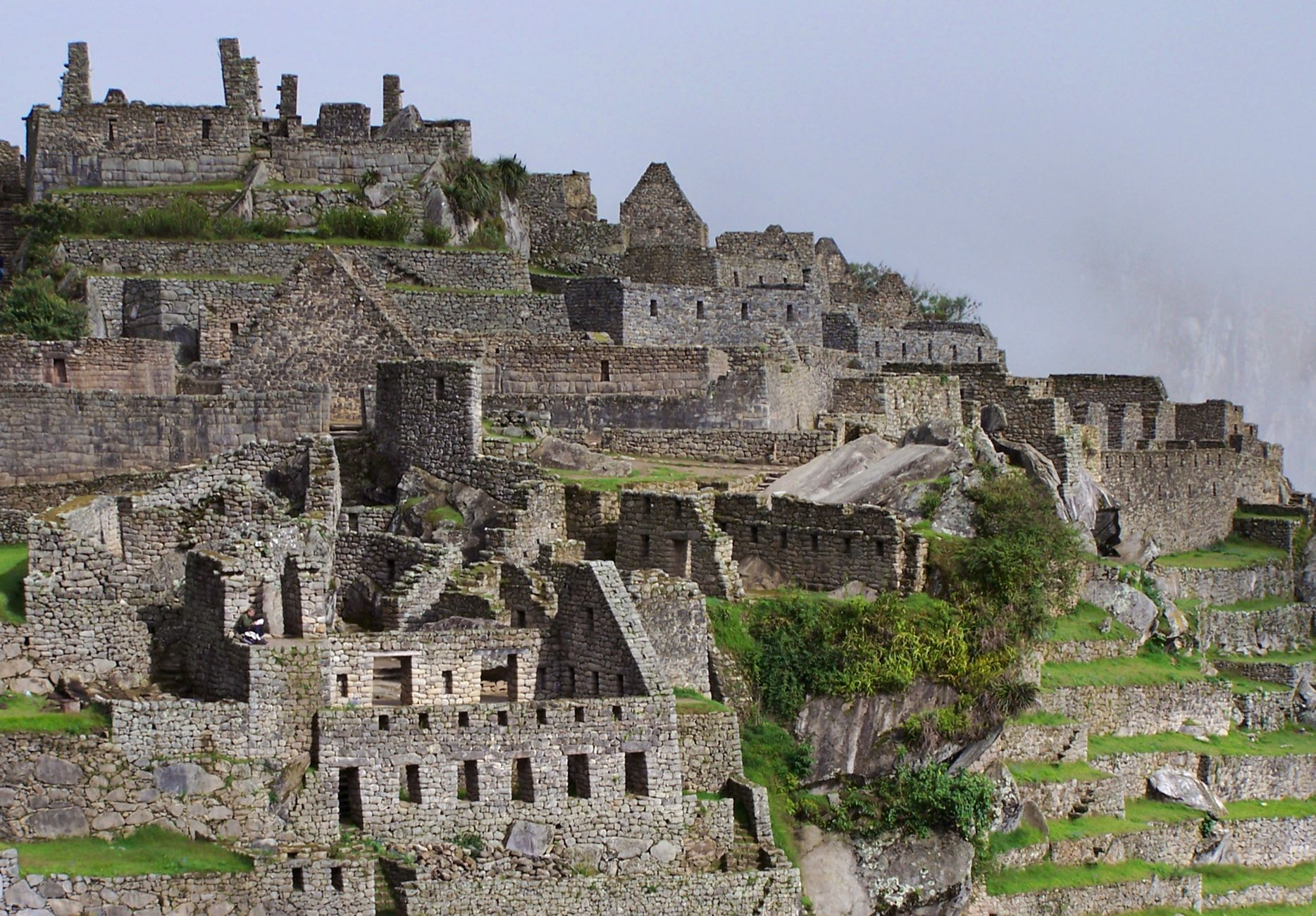
Photo by Tom D'Arby on Pexels
The Cahokia Mounds: America's First City — Bigger than London in 1200 AD On July 25, 1966, the Cahokia Mounds were designated a National Historic Landmark by the US Department of the Interior. Archaeologist Warren King Moorehead had excavated the site in 1921, uncovering the remnants of a vast pre-Columbian city. Located near modern-day St. Louis, Missouri, the Cahokia Mounds were once the thriving center of a sophisticated Native American civilization.
What Everyone Knows
Most people think of Native American societies before European contact as small, nomadic groups, but the standard story goes that some tribes did form larger, more complex societies. The common understanding is that these societies were not as large or advanced as those in Europe, and that cities like London were the epitome of urban development during the Middle Ages. However, this perspective overlooks the impressive achievements of the Mississippian culture, which flourished in the Eastern Woodlands of North America from around 800 to 1500 AD.
What History Actually Shows
Historian Timothy Pauketat, in his book "Cahokia: Ancient America's First City", reveals that Cahokia was a major urban center, with a population of over 20,000 people at its peak in the early 12th century. Archaeologist Neal Lopinot notes that the city's size and complexity are evident in the over 120 earthen mounds that still exist today, with the largest mound, Monks Mound, being the largest pre-Columbian earthen pyramid north of Mexico. By 1150 AD, Cahokia had surpassed London in terms of population, with estimates suggesting that the city covered an area of over 5 square miles, making it one of the largest cities in the world at that time. According to the accounts of French explorer René-Robert Cavelier, Sieur de La Salle, who visited the region in 1682, the Cahokia Mounds were still an impressive sight, with many of the mounds still intact and the city's former grandeur still evident. By 1250 AD, however, the city had begun to decline, and by the time of European contact in the 16th century, the site had been largely abandoned. Historian George Milner, in his book "The Cahokia Chiefdom: The Archaeology of a Mississippian Society", argues that the decline of Cahokia was likely due to a combination of factors, including environmental degradation, warfare, and disease. As archaeologist Thomas Emerson notes, the excavation of the Cahokia Mounds has provided a unique glimpse into the lives of the people who built this ancient city, and has challenged our understanding of the development of complex societies in North America.
The Part That Got Buried
Historians and archaeologists have long acknowledged that the story of Cahokia was intentionally suppressed by European colonizers, who sought to erase the existence of complex Native American societies. The Spanish explorer Hernando de Soto, for example, was aware of the Cahokia mounds, but his accounts of the city were largely ignored by later historians. The United States government also played a role in erasing Cahokia's history, as the construction of the Illinois Central Railroad in the 19th century destroyed many of the mounds. Specifically, the railroad company's decision to build directly through the site of the ancient city led to the destruction of numerous earthworks and the loss of invaluable archaeological evidence. This deliberate destruction of historical sites, combined with the lack of attention from historians, has contributed to the widespread ignorance of Cahokia's significance. Researchers have had to work tirelessly to reconstruct the history of the city, often relying on fragmented accounts and archaeological findings.
The Ripple Effect
The discovery of Cahokia's significance has had concrete consequences for our understanding of Native American history and culture. The recognition of Cahokia as a complex, urban society has forced a reevaluation of the traditional narrative of American history, which often portrays Native Americans as primitive and unsophisticated. For example, the design of the Gateway Arch in St. Louis, Missouri, was influenced by the earthen pyramids of Cahokia, demonstrating a direct connection between the ancient city and modern architecture. The people most affected by this newfound understanding are the descendants of the Mississippian culture, who have seen their ancestors' achievements recognized and respected.
The Line That Says It All
The Cahokia mounds, once the center of a thriving metropolis, now lie in the shadow of a sprawling American city, a poignant reminder of the transience of human achievement.
A Note on Sources
This article draws on historical records, documented accounts, and academic research related to the pre-Columbian history of North America and the Cahokia Mounds State Historic Site.


