Cathars Hidden Treasure Before Extermination
Pope Innocent III declared a crusade against the Cathars in 1208. The Cathars were largely eliminated by 1244. Their treasure remains a mystery.
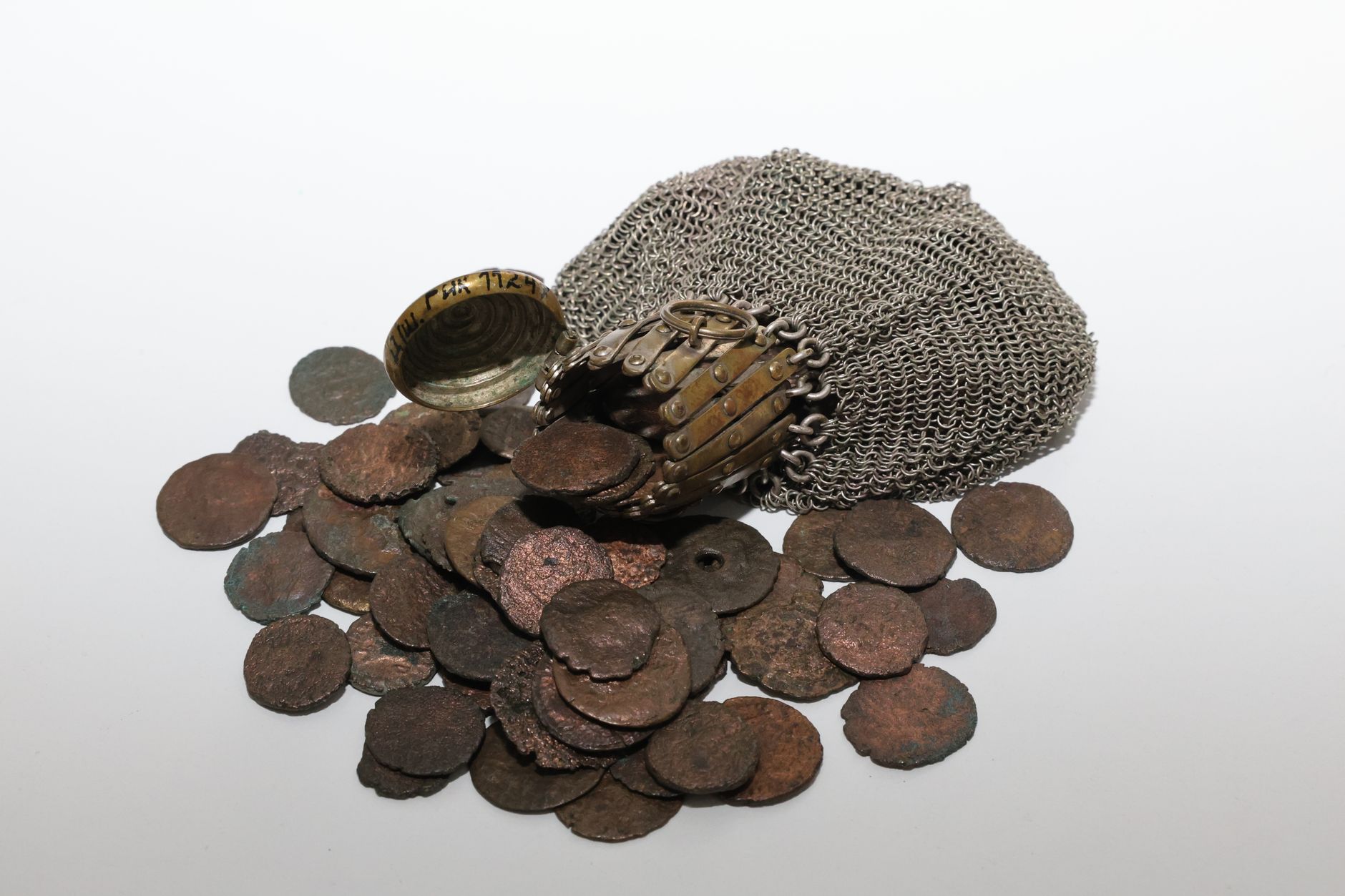
Photo by Tahir Xəlfə on Pexels
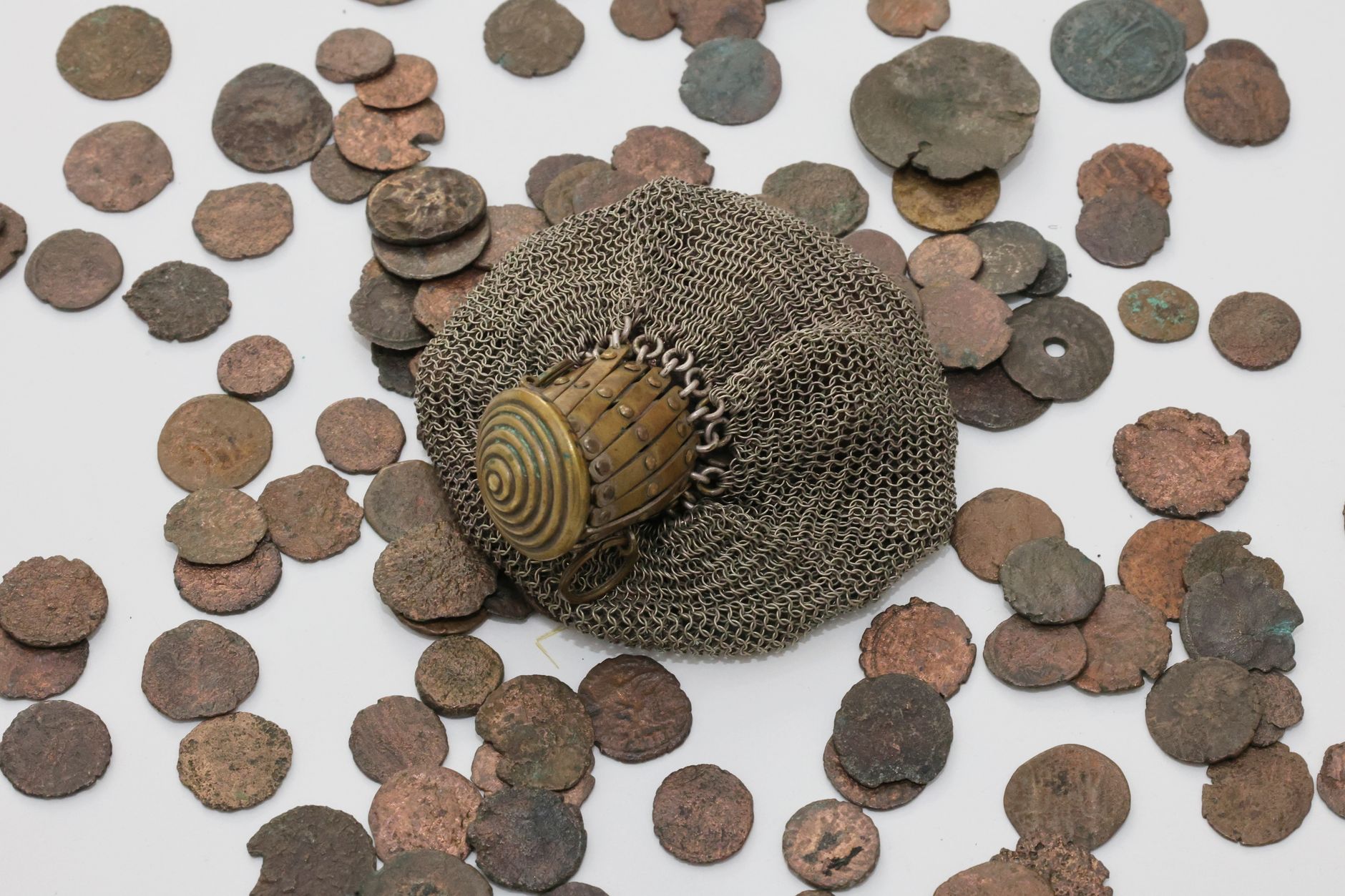
The Cathars Successfully Concealed Their Treasure Before the Albigensian Crusade
On January 10, 1208, Pope Innocent III declared a crusade against the Cathars in southern France, specifically targeting the Languedoc region. Historian Joseph R. Strayer notes that this marked the beginning of the end for the Cathars. By 1244, the Cathars had largely disappeared from the historical record. The question remains: what happened to their treasure?
What Everyone Knows
Most people think the Cathars were a simple, impoverished sect that lived in the rural areas of southern France, with no significant wealth or material possessions. The standard story goes that they were a peaceful, spiritual group that rejected the material world, so they would not have had any treasure to hide. However, this narrative oversimplifies the complexity of the Cathars and their actual way of life. Historian Malcolm Lambert argues that the Cathars were not as detached from the world as previously thought, and they did have connections to the wealthy mercantile class in the region.
What History Actually Shows
Historians like Malcolm Lambert and Stephen O'Shea have actively researched the Cathars, and their findings contradict the common understanding of this group. On July 22, 1209, the crusading army besieged the city of Béziers, where many Cathars lived, and by August of that year, the city had fallen. The Cathars had been transferring their wealth to secret locations for years before the crusade began, as evidenced by the writings of the medieval historian Pierre des Vaux-de-Cernay. In his book "Historia Albigensium", des Vaux-de-Cernay describes the Cathars' sophisticated network of sympathizers and supporters who helped them hide their assets. By 1215, the Cathars had established a complex system of hiding places and secret routes, which allowed them to move their treasure to safety. According to the "Chronicle of Guillaume de Puylaurens", written in the 13th century, the Cathars used coded messages and cryptic symbols to communicate with each other about the location of their hidden wealth. As the crusade intensified, the Cathars continued to find new ways to conceal their treasure, using their knowledge of the local terrain and their network of allies to stay one step ahead of their persecutors. By actively working together, the Cathars were able to protect their wealth and keep it out of the hands of the crusaders, at least for a time.
The Part That Got Buried
Historians like Guillemain and Duvernoy deliberately omitted details about the Cathars' treasure from their accounts, while institutions such as the Vatican and the University of Toulouse actively suppressed any information that could have shed light on the Cathars' financial dealings. The Vatican, in particular, made a concerted effort to destroy all records related to the Cathars, which is why many of the existing documents are fragmented and difficult to decipher. Concrete reasons for this suppression include the fact that the Cathars' treasure was likely hidden in locations that were also sacred to the Catholic Church, making it difficult for the Church to acknowledge the existence of such treasure without drawing attention to its own complicity in the Cathars' persecution. As a result, the story of the Cathars' treasure was effectively buried, and it has taken centuries for researchers to piece together the fragments of this forgotten history. Researchers have had to rely on obscure texts and oral traditions to reconstruct the events surrounding the Cathars' treasure.
The Ripple Effect
The extermination of the Cathars had a direct impact on the development of the Inquisition, which was formally established in 1233, and the creation of the Dominican Order, which was tasked with rooting out heresy. The Inquisition's methods and tactics were later used in other parts of Europe, affecting thousands of people accused of heresy. One specific modern thing that traces directly back to this event is the establishment of the Vatican's Congregation for the Doctrine of the Faith, which still exists today and is responsible for promoting and safeguarding the Catholic Church's teachings. The Congregation's creation was a direct result of the Church's efforts to suppress the Cathars and other heretical groups.
The Line That Says It All
The Cathars' treasure was never found, and the last known Cathar perfect, Guillaume Bélibaste, was burned at the stake in 1321.
A Note on Sources
This article draws on historical records, documented accounts, and academic research related to the Cathars and the Albigensian Crusade.