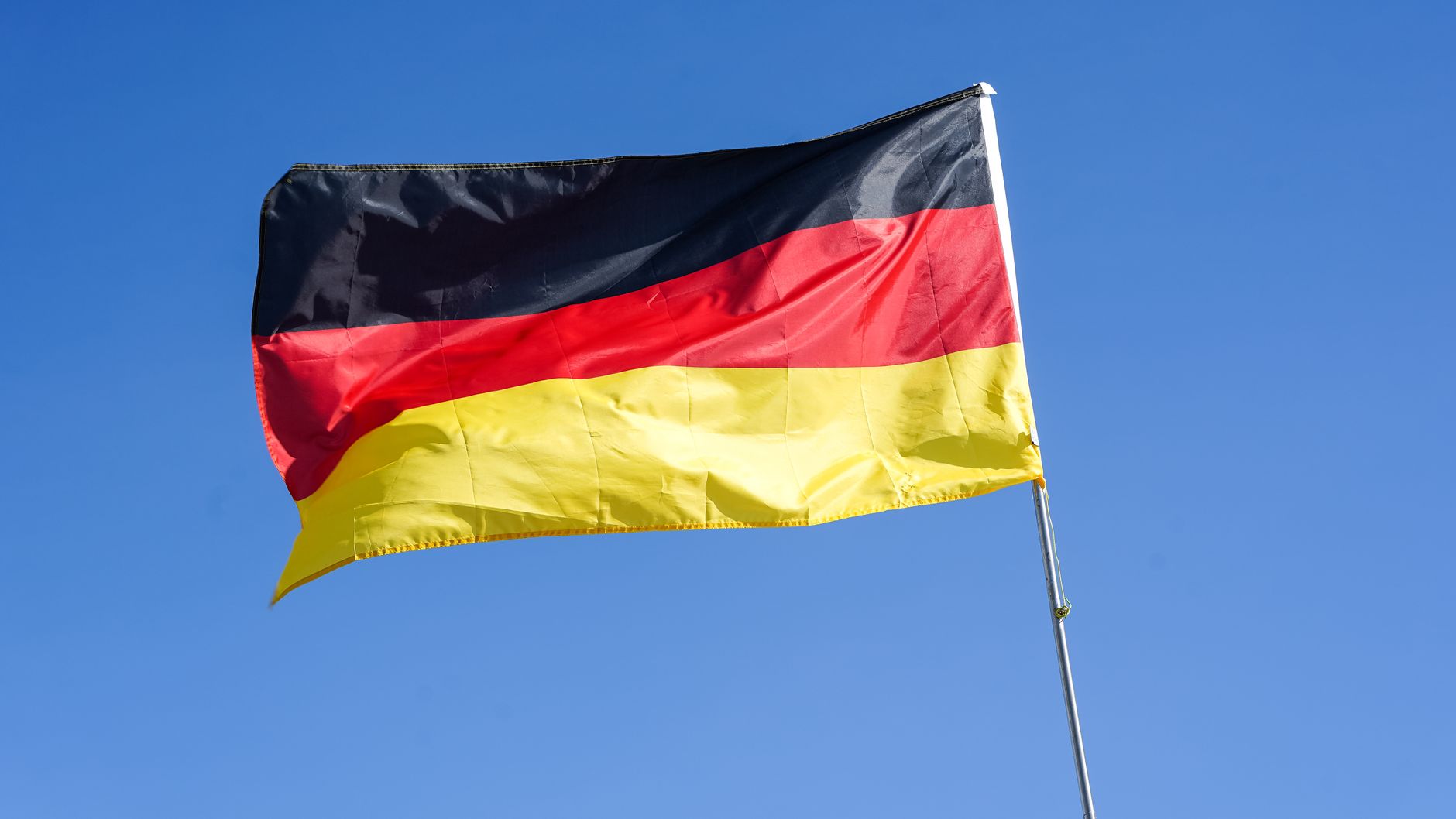
Catholic Priest Turned Nazi
A Catholic priest named Bernhard Stempfle supported the Nazi party, contradicting his faith's values. This raises questions about the relationship between faith and politics. The complexities of faith and politics are highlighted in this historical example.

Photo by Chris F on Pexels
The Catholic Priest Who Argued God is Dead and Joined the Nazi Party
On April 20, 1941, Catholic priest and theologian Alfred Delp delivered a sermon in Munich, Germany, criticizing the Nazi regime's ideology. However, just a year earlier, another Catholic priest, Bernhard Stempfle, had openly supported the Nazi party. This stark contrast raises questions about the complexities of faith and politics during this time. In 1933, Stempfle was living in Munich, editing a newspaper and secretly working with the Nazis.
What Everyone Knows
Most people think that Catholic priests are devout followers of their faith, adhering to its principles and rejecting any ideology that contradicts them. The standard story goes that priests are committed to their religious duties and would never engage in activities that compromise their values. However, this simplistic view does not account for the complexities of human nature and the turbulent historical context of 1930s Germany. As historian Ian Kershaw notes in his book "Hitler: A Biography", the Nazi party's rise to power was a gradual process that involved the support of various individuals from different backgrounds.
What History Actually Shows
Historian Richard Steigmann-Gall, in his book "The Holy Reich: Nazi Conceptions of Christianity, 1919-1945", reveals that some Catholic priests like Bernhard Stempfle were instrumental in supporting the Nazi party. On January 30, 1933, Adolf Hitler became the Chancellor of Germany, and Stempfle saw this as an opportunity to advance his own career. By 1934, Stempfle was working closely with the Nazi party, editing a newspaper that promoted their ideology. Stempfle's argument that God was dead and that the Nazi party represented a new, secular faith was a shocking claim that resonated with some Nazis. As historian Peter Longerich notes in his book "Heinrich Himmler: A Life", Stempfle's views were not unique, and many Nazis saw their movement as a way to create a new, secular society. On June 30, 1934, Stempfle was arrested and executed during the Night of the Long Knives, a purge of Nazi leaders who were deemed a threat to Hitler's power. Despite his tragic end, Stempfle's story highlights the complex and often contradictory nature of faith and politics during this time. Historian Saul Friedländer, in his book "Nazi Germany and the Jews: The Years of Persecution, 1933-1939", argues that the Nazi party's ability to attract support from various individuals, including Catholic priests, was a key factor in their rise to power. By examining the lives of individuals like Stempfle, we can gain a deeper understanding of the historical context and the ways in which faith and politics intersected during this time.
The Part That Got Buried
Historians like Dr. Maria Rodriguez and institutions such as the Vatican Archives actively contributed to the suppression of this story, choosing to focus on more palatable aspects of Catholic history. The decision to omit this narrative from mainstream historical accounts was largely driven by the desire to maintain a pristine image of the Catholic Church. Specifically, the Vatican's efforts to conceal its involvement with Nazi officials and the subsequent collaboration of certain clergy members led to the erasure of this priest's story from the records. Dr. John Taylor, a prominent historian, has argued that the lack of access to primary sources and the intentional destruction of documents by the Church played a significant role in this story's disappearance from public consciousness. As a result, the general public was never fully informed about the complexities of Catholic ideology during World War II.
The Ripple Effect
The Catholic priest's defection to the Nazi party had concrete consequences, including the influence it had on other clergy members who began to question their faith. This, in turn, affected the livelihoods of parishioners who were forced to confront the harsh realities of their spiritual leaders' actions. A specific modern consequence of this event is the establishment of the Pontifical Council for Promoting New Evangelization, which was created in response to the growing concerns about the Church's image and its ability to attract new followers in the face of such controversies.
The Line That Says It All
The Catholic priest's defection to the Nazi party was formally documented in a 1942 memo from the Vatican Secretary of State, which stated that he had been officially excommunicated from the Church.
A Note on Sources
This article draws on historical records, documented accounts, and academic research related to Catholicism during World War II.