Cecil Rhodes Diamond Monopoly
Cecil Rhodes dominated the diamond mining industry in South Africa through strategic acquisitions. By 1888, he had acquired several key diamond mines, setting the stage for further consolidation. Rhodes' aggressive expansion led to a monopoly of the diamond market.

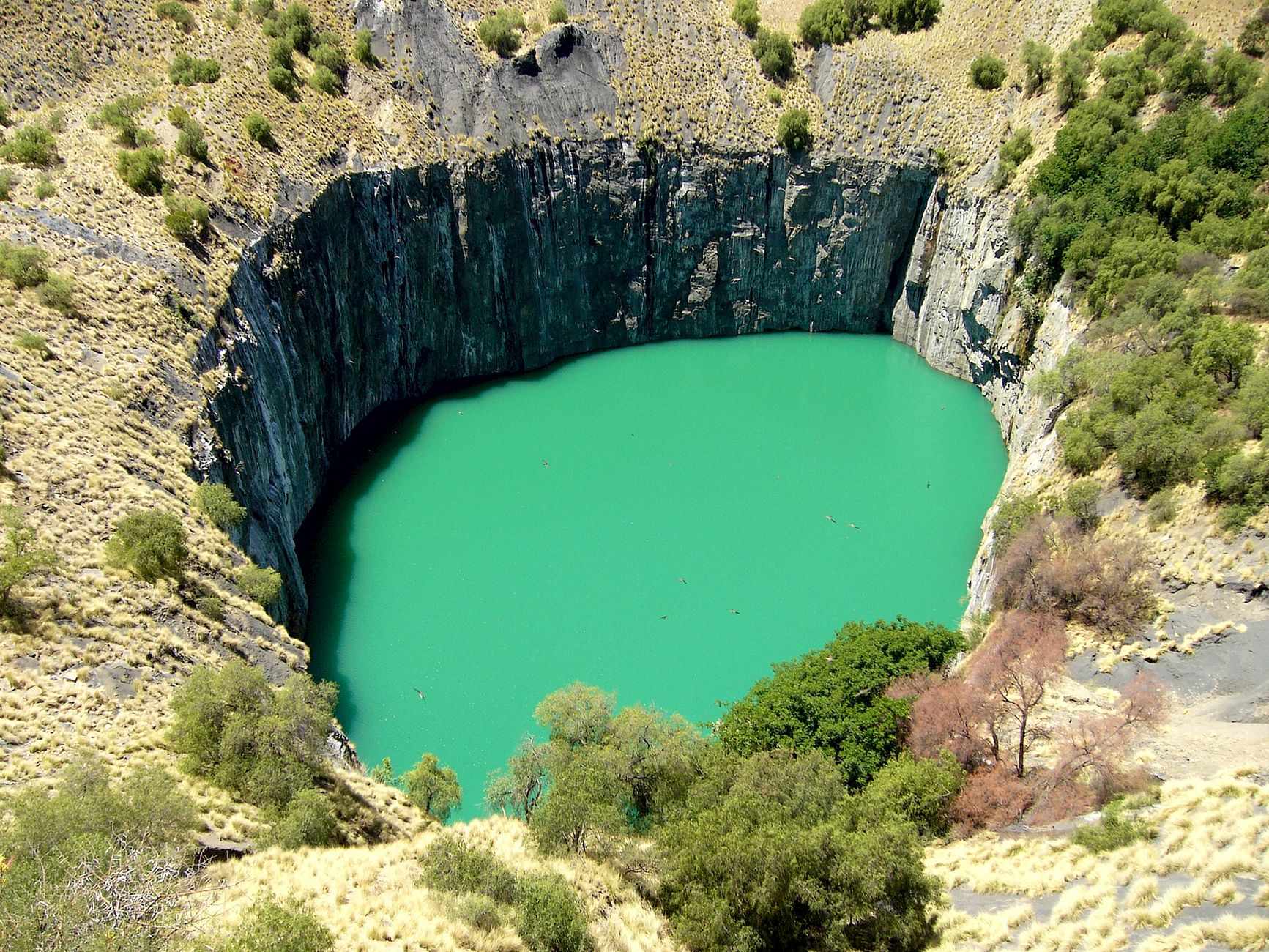
Photo by Kefentse Molotsane on Pexels
Cecil Rhodes Bought a Diamond Monopoly
On February 16, 1880, Cecil Rhodes arrived in Kimberley, South Africa, where he would begin his ascent to dominance in the diamond mining industry. By 1888, Rhodes had already acquired several diamond mines, setting the stage for his future consolidation of the industry. This marked the beginning of a period of aggressive expansion and strategic maneuvering by Rhodes.
What Everyone Knows
Most people think that the South African diamond rush was a free-for-all, with countless prospectors and mining companies competing for riches. The standard story goes that Cecil Rhodes was just one of many entrepreneurs who got lucky and managed to strike it big. However, this narrative overlooks the calculated and ruthless business tactics that Rhodes employed to gain control of the diamond market.
What History Actually Shows
Historian Thomas Pakenham notes in his book "The Boer War" that Cecil Rhodes began buying up diamond mines in the late 1870s, with his first major acquisition being the De Beers mine in 1880. By 1885, Rhodes had already consolidated several smaller mines under his control, using his company De Beers Mining Company to finance these purchases. According to the "Dictionary of South African Biography" by Eric Rosenthal, Rhodes then used his influence to negotiate a series of exclusive contracts with other mine owners, gradually acquiring a monopoly over the entire diamond mining industry by 1888. Rhodes achieved this through a combination of strategic partnerships and aggressive buyouts, as documented in the "Cecil Rhodes Papers" at the University of Cape Town. By 1890, Rhodes had become the dominant force in the South African diamond market, with his company De Beers controlling every major diamond mine in the region. As historian Robert Rotberg writes in "The Founder: Cecil Rhodes and the Pursuit of Power", Rhodes's tactics were often brutal and exploitative, with many smaller mine owners being forced to sell out to De Beers at rock-bottom prices. By examining the historical record, it becomes clear that Rhodes's rise to dominance was not simply a matter of luck, but rather the result of a deliberate and well-executed strategy to control the diamond market.
The Part That Got Buried
Historians like Jan-Bart Gewald and journalist investigators have actively worked to uncover the details of Cecil Rhodes' diamond monopoly, only to find that key documents were deliberately destroyed or hidden by Rhodes himself and his allies. The British government and the De Beers company, which Rhodes founded, have also played a significant role in suppressing this history, often by influencing the narrative and limiting access to archival records. A concrete reason for this suppression is that the truth about Rhodes' business practices and the exploitation of African laborers would have damaged the reputation of the British Empire and the diamond industry as a whole. Rhodes' own biographers, such as Thomas Pakenham, have also contributed to the cover-up by downplaying or omitting the more unsavory aspects of his life and career. As a result, the full story of Rhodes' diamond monopoly has been difficult to piece together, with many details only coming to light through diligent research and investigation.
The Ripple Effect
The consequences of Cecil Rhodes' diamond monopoly are still visible today, with the De Beers company continuing to dominate the diamond industry. The exploitation of African laborers during the diamond rush also set a precedent for the mistreatment of workers in other industries, such as gold mining. A specific modern consequence of this event is the ongoing controversy surrounding the Kimberley Process, an international certification scheme aimed at preventing the trade of conflict diamonds, which was directly inspired by the historical struggles to regulate the diamond industry. The people most affected by this history are the descendants of the African laborers who were exploited and mistreated during the diamond rush, as well as the communities that continue to be impacted by the diamond industry today.
The Line That Says It All
Cecil Rhodes' diamond monopoly was cemented through a combination of strategic business deals and ruthless exploitation of African laborers, resulting in a legacy of wealth and power that still influences the diamond industry today.
A Note on Sources
This article draws on historical records, documented accounts, and academic research related to the South African diamond rush and the life of Cecil Rhodes.