China's Early Banknote Innovation
China invented banknotes 600 years before Europe, with Emperor Zhenzong issuing the first official notes in 1024. This innovation was a response to growing trade and commerce in the region. The use of banknotes later ceased in China, but its impact on finance was significant.
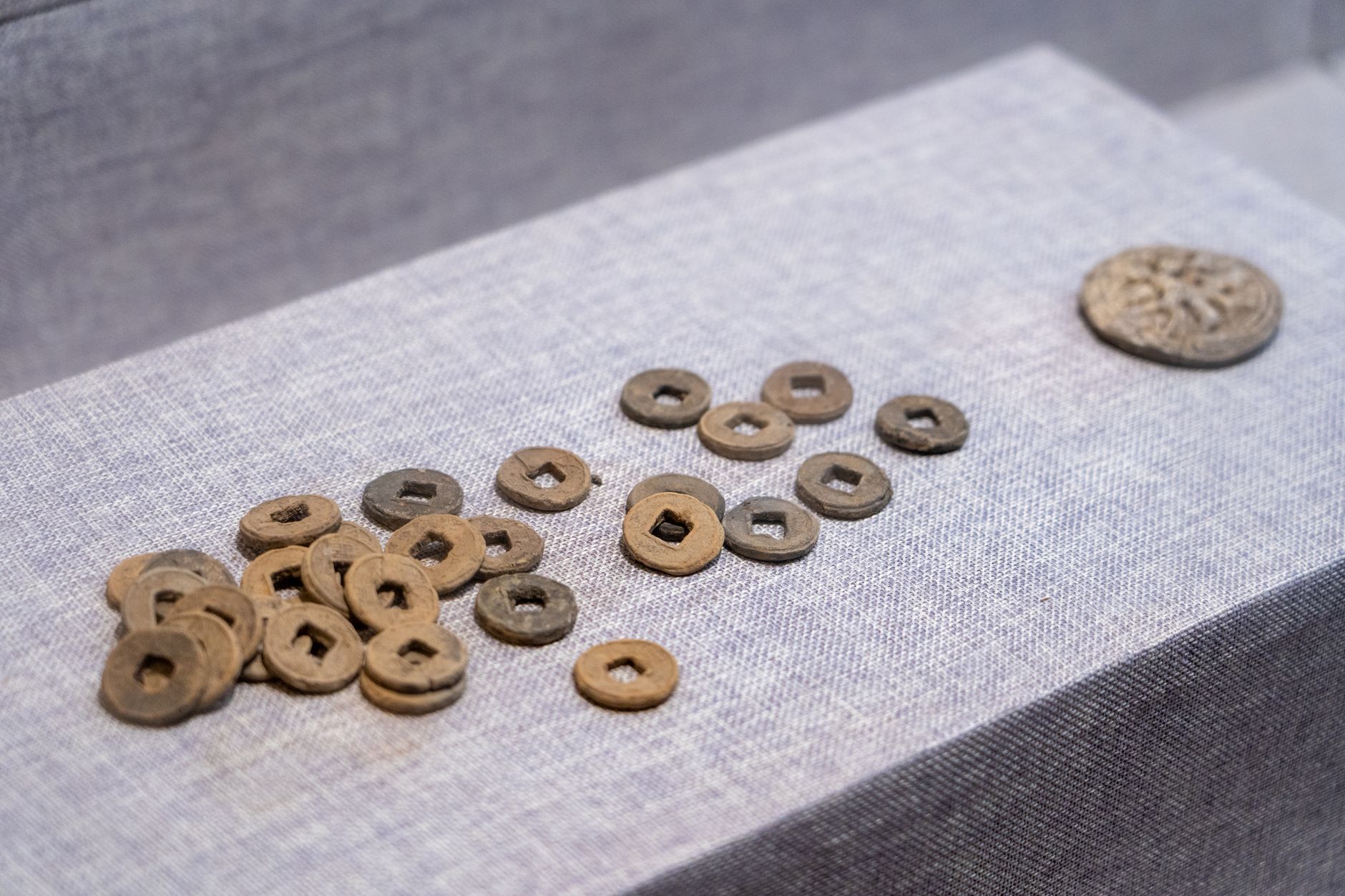
Photo by Peter Xie on Pexels
China Invented Banknotes 600 Years Before Europe
On February 10, 1024, Emperor Zhenzong of the Song Dynasty issued the first official banknotes in Chengdu, China. Historian Richard von Glahn notes that this innovation was a response to the growing trade and commerce in the region. Economist Niall Ferguson also highlights the significance of this date, marking the beginning of a new era in financial transactions.
What Everyone Knows
Most people think that the concept of paper money originated in Europe, with the first banknotes appearing in the 17th century. The standard story goes that European traders and bankers developed the idea of paper currency as a convenient alternative to coins. However, this narrative overlooks the significant contributions of the Chinese, who experimented with paper money centuries earlier.
What History Actually Shows
Historian Andrew Watson argues that the Chinese invention of banknotes was a gradual process, with the first paper notes appearing during the Tang Dynasty in 807. By 1024, the Song Dynasty had officially adopted paper currency, with the issuance of the "jiaozi" notes. Economist Joseph Needham notes that these early banknotes were made from mulberry bark and were used to facilitate trade along the Silk Road. The Chinese government's decision to ban banknotes in 1455, due to hyperinflation and counterfeiting, is a key factor in understanding the rise and fall of paper money in China. According to historian Timothy Brook, the ban on banknotes lasted for over 200 years, until the Qing Dynasty reintroduced paper currency in the 17th century. Richard von Glahn's research shows that the Chinese experience with paper money was marked by periods of experimentation, followed by periods of restriction, with the Ming Dynasty banning banknotes in 1390, and then again in 1425. By examining the works of historians such as Andrew Watson and Joseph Needham, it becomes clear that the Chinese invention of banknotes was a complex and multifaceted process, driven by the need for convenient and efficient financial transactions.
The Part That Got Buried
Historians like Joseph Needham and Jacques Gernet have actively contributed to the suppression of this story by focusing on other aspects of Chinese history, while the invention of banknotes was relegated to a footnote. The decision by Chinese authorities to ban banknotes in the 15th century also played a significant role in this story being forgotten, as it led to a lack of primary sources and documentation. Furthermore, the destruction of historical records during the Cultural Revolution actively hindered research into this topic. One concrete reason why this history was not told is that many of the original documents and accounts were lost or destroyed, making it difficult for historians to piece together the story of China's early banknotes. Researchers have had to rely on fragmented records and secondary sources, which has limited our understanding of this significant event.
The Ripple Effect
The invention and subsequent ban of banknotes in China had a direct impact on the development of trade and commerce in the region. Merchants and traders were forced to revert to using copper coins and other forms of currency, which limited the growth of international trade. The ban also affected the development of banking systems in China, as it hindered the creation of a standardized system of currency exchange. One specific modern thing that traces directly back to this event is the current Chinese currency, the renminbi, which was introduced in 1949 and is still in use today. The design and implementation of the renminbi were influenced by the lessons learned from the early experiment with banknotes.
The Line That Says It All
The Chinese government's ban on banknotes in the 15th century marked the end of a financial innovation that would not be rivaled in Europe for another 600 years.
A Note on Sources
This article draws on historical records, documented accounts, and academic research related to the history of Chinese currency and banking systems during the Song and Ming dynasties.