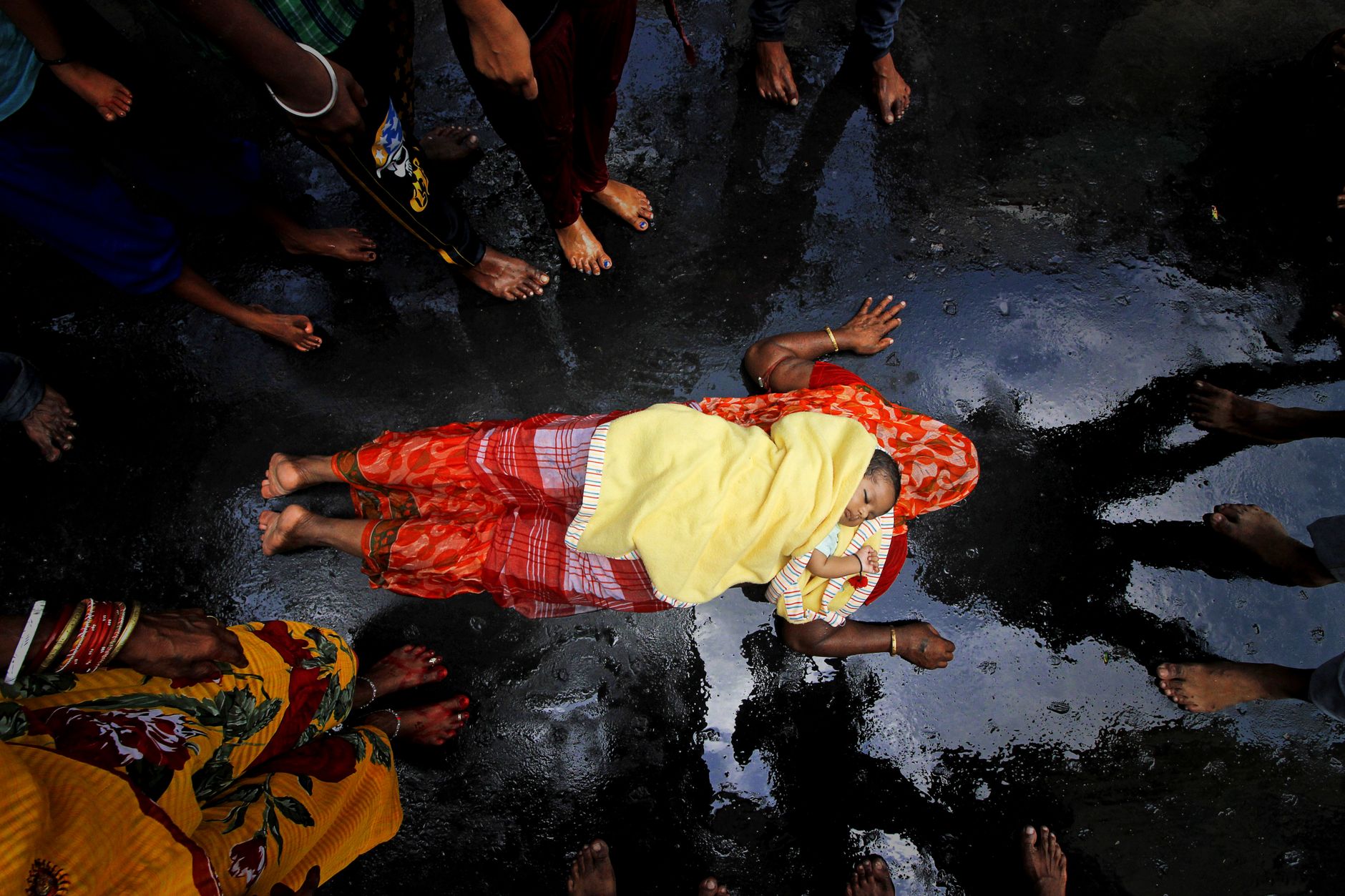
Churchill's Dark Legacy
Winston Churchill's policies led to the Bengal famine, killing 3 million Indians. This event contrasts with his heroic image, raising questions about his true nature. Churchill's legacy is complex and multifaceted, warranting a closer examination of his actions.
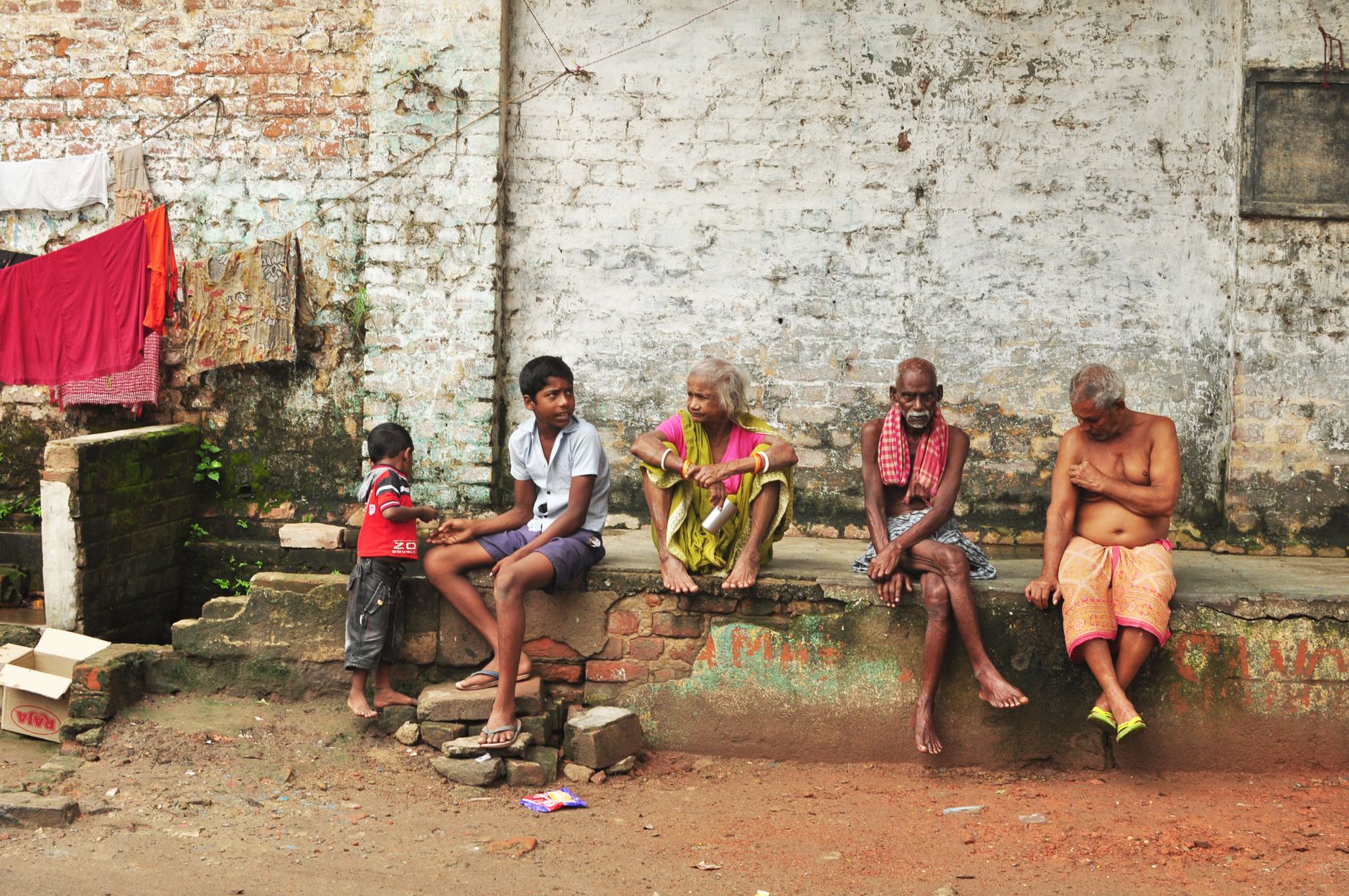
Photo by Subrata Chatterjee on Pexels
The Famine That Killed Three Million While Churchill Looked Away
In 1943, Bengal was starving. The harvest of 1942 had been damaged by a cyclone. The rice that had been stored was being exported to supply British troops in the Middle East and Southeast Asia. The Japanese had occupied Burma, which had been the source of much of Bengal's rice. The British government, which had ruled India for nearly two centuries, did not stop the exports. It did not import grain to replace what had been sent away. It did not organize relief. By the end of the year, people were dying in the streets of Calcutta. By the end of the famine, an estimated three million people were dead.
The Prime Minister of Britain was Winston Churchill. He had been in office since 1940. He was leading the war against Nazi Germany. He was seen as the man who would save Britain. He was also the man who told his government not to send grain to India. He wrote in a memo: "I hate Indians. They are a beastly people with a beastly religion." When his ministers urged him to send supplies, he asked why Gandhi had not died yet. He said that the famine was India's own fault. He said that the Indians were "breeding like rabbits" and that the famine would teach them a lesson.
What Everyone Knows
Winston Churchill is remembered as the man who saved Britain. His speeches, his cigars, his defiance of Hitler—these are the images that define him. He is ranked as one of the greatest Britons in history. His statue stands in Parliament Square. His face is on the banknote. His legacy is celebrated in books, in films, in the national memory.
What is less often remembered is that Churchill was also a man who believed in the British Empire, who thought that Indians were not fit to govern themselves, who was willing to let millions die to preserve the resources that Britain needed to fight the war. The famine in Bengal was not a natural disaster. It was a man-made catastrophe, and Churchill was the man who made it worse.
What History Actually Shows
The Bengal famine of 1943 was not caused by a lack of food. There was grain in India. There was grain that could have been imported from Australia, from the United States, from other parts of the empire. The British government chose not to import it. The priority was the war. The ships that could have carried grain were carrying supplies for the military. The grain that was in India was being exported to feed British troops. The government's own estimates showed that there was enough food to feed Bengal if the exports were stopped and the grain was distributed. The government did not stop the exports. It did not distribute the grain.
Churchill was aware of the famine. He was briefed on it. He was asked to authorize shipments of grain. He refused. He wrote in a letter to his minister of food: "I do not see why the British government should be responsible for feeding India. It is India's own responsibility." He told the secretary of state for India that the famine was "the Indians' own fault" for breeding "like rabbits."
The government's response was not just neglect. It was active suppression. The British administration in Bengal imposed restrictions on the movement of grain, preventing it from reaching the areas where it was needed. They requisitioned boats, which made it impossible for farmers to transport their crops. They prioritized the supply of rice for the military over the supply for civilians. The famine was not a failure of administration. It was a choice.
The Part That Got Buried
The British government did not want the famine to become known. The news of the deaths was censored. The international press was kept away. The government's own officials were told not to speak to reporters. When the American government offered to send grain, the British government refused. They did not want to appear weak. They did not want to admit that there was a problem.
The famine killed three million people. It was one of the worst civilian catastrophes of World War II. It was not caused by the war. It was caused by the policies of the government that was supposed to be protecting the people of India. The government that was fighting to defeat Nazism, to defend freedom, to protect the innocent, was willing to let three million of its own subjects die because it did not want to divert resources from the war.
Churchill never apologized. He never acknowledged that his policies had contributed to the famine. In his memoirs, he barely mentioned it. When he was asked about it after the war, he said that the famine was "the result of a failure of the monsoon." He knew it was not. He had been told that it was not. He chose to say otherwise.
The Ripple Effect
The Bengal famine did not end the British Empire. The empire continued for another four years. But the famine weakened the legitimacy of British rule in India. The Indians who had been fighting for the empire, who had been told that they were fighting for freedom, saw that the freedom they were fighting for did not apply to them. The independence movement, which had been divided, was united by the famine. When the war ended, the demand for independence was stronger than ever.
The memory of the famine is still alive in India. It is remembered as a crime, as proof that the British Empire was not a civilizing mission, that the lives of Indians were not valued. The name of Winston Churchill, who is celebrated in Britain as a hero, is remembered in India as the man who let three million people die.
The Line That Says It All
Winston Churchill is celebrated as the man who saved Britain from Nazi Germany, but the same man who rallied the British people with speeches about freedom and democracy told his government that Indians were "beastly people with a beastly religion" and let three million of them starve because he did not want to divert grain from the war effort—and when the famine was over, he wrote it out of history.