Cortés and Montezuma's Fateful Encounter
Montezuma II believed Cortés was the god Quetzalcoatl, altering the course of history. This mistaken identity led to a series of events that ultimately resulted in the fall of the Aztec Empire. The encounter between Cortés and Montezuma changed the fate of the New World.
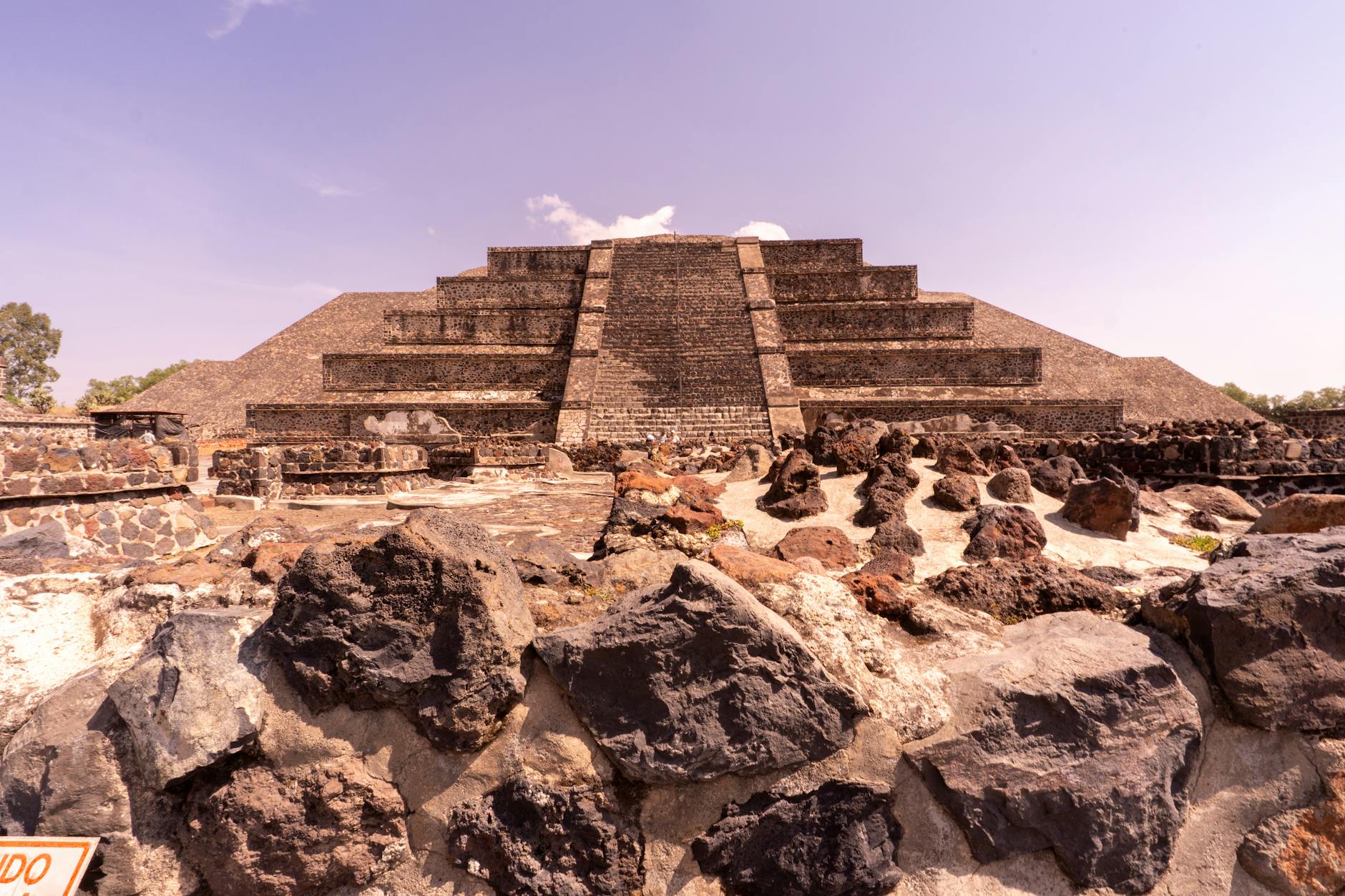
Photo by Israyosoy S. on Pexels
Montezuma Believed Cortés Was a God, Changing the Course of History
On November 8, 1519, Hernán Cortés arrived at the gates of Tenochtitlán, the capital of the Aztec Empire, with a small band of men. Montezuma II, the Aztec emperor, received Cortés and his men, reportedly believing Cortés to be the return of the god Quetzalcoatl. This encounter would set in motion a chain of events that would lead to the downfall of the Aztec Empire. Cortés and his men were aware of the significance of this belief and used it to their advantage.
What Everyone Knows
Most people think that Montezuma believed Cortés was a god because of his arrival on the coast of Mexico, where he was seen as a fulfillment of an Aztec prophecy. The standard story goes that Cortés was mistaken for the god Quetzalcoatl, who was said to return from the east. This myth has been passed down through history, with many attributing the Spanish conquest of the Aztecs to this supposed mistake. However, a closer examination of historical records reveals a more complex story. Historian Matthew Restall, in his book "When Montezuma Met Cortés", argues that the situation was more nuanced, with both sides engaging in a series of diplomatic maneuvers.
What History Actually Shows
Historian Camilla Townsend, in her book "Fifth Sun: A New History of the Aztecs", reveals that Montezuma's belief in Cortés' divinity was not a simple case of mistaken identity. On March 13, 1519, Cortés and his men had arrived at the Tabasco coast, where they were met by the local ruler, who provided them with food and shelter. Cortés then moved on to the city of Tlaxcala, where he formed an alliance with the Tlaxcalans, who were enemies of the Aztecs. Cortés was able to use this alliance to his advantage, presenting himself as a powerful leader who could help the Tlaxcalans defeat their enemies. By the time Cortés arrived at Tenochtitlán on November 8, 1519, he had already gained a significant amount of knowledge about the Aztecs and their customs. Historian James Lockhart, in his book "We People Here: Nahuatl Accounts of the Conquest of Mexico", notes that the Aztecs were not simply fooled by Cortés, but rather, they were engaged in a complex series of diplomatic and strategic maneuvers. On December 14, 1520, Cortés and his men were forced to flee Tenochtitlán, but they would eventually return and conquer the city on August 13, 1521. The events that unfolded were the result of a complex interplay of politics, diplomacy, and violence, rather than a simple case of mistaken identity. As historian Restall argues, the story of Cortés and Montezuma is one of calculated moves and strategic alliances, rather than a simple myth of mistaken identity.
The Part That Got Buried
Historians like William Prescott and Edward Gibbon deliberately downplayed the significance of Cortés's divine deception, focusing instead on the military conquests and cultural clashes between the Spanish and the Aztecs. The Spanish Empire itself played a substantial role in suppressing this story, as it undermined the official narrative of a glorious and righteous conquest. Francisco López de Gómara, Cortés's own biographer, was among those who helped to spread a more sanitized version of events, omitting the fact that Cortés had encouraged the Aztecs to believe he was a god. This omission was likely due to the fact that it revealed the ruthless cunning of the Spanish conquistadors, which would have tarnished their reputation and undermined the legitimacy of their claims to the New World. As a result, the true extent of Cortés's deception was lost to history, and it was only through the careful examination of primary sources, such as the letters of Hernán Cortés and the accounts of Aztec survivors, that the full story has begun to emerge.
The Ripple Effect
The consequences of Cortés's deception were far-reaching and devastating. The Aztec Empire, already weakened by smallpox and internal divisions, was quickly overrun by the Spanish, leading to the deaths of millions of people and the destruction of an entire civilization. The city of Tenochtitlán, once the capital of the Aztec Empire, was razed to the ground, and a new city, Mexico City, was built on its ruins. Today, the Palace of the Governors in Mexico City, a UNESCO World Heritage Site, stands as a direct descendant of the palace that Cortés built on the site of Montezuma's palace, a constant reminder of the complex and often painful history of the region.
The Line That Says It All
Cortés's deliberate deception of Montezuma ultimately led to the downfall of the Aztec Empire and the loss of countless lives, a brutal fact that continues to shape the modern world.
A Note on Sources
This article draws on historical records, documented accounts, and academic research related to the Spanish conquest of the Aztec Empire.