Croatia's Fight for Freedom
Croatia declared independence from Yugoslavia in 1991, sparking a 4-year war. Croatian activists organized resistance against the Yugoslav army. The war was brutal and crucial for the country's freedom.
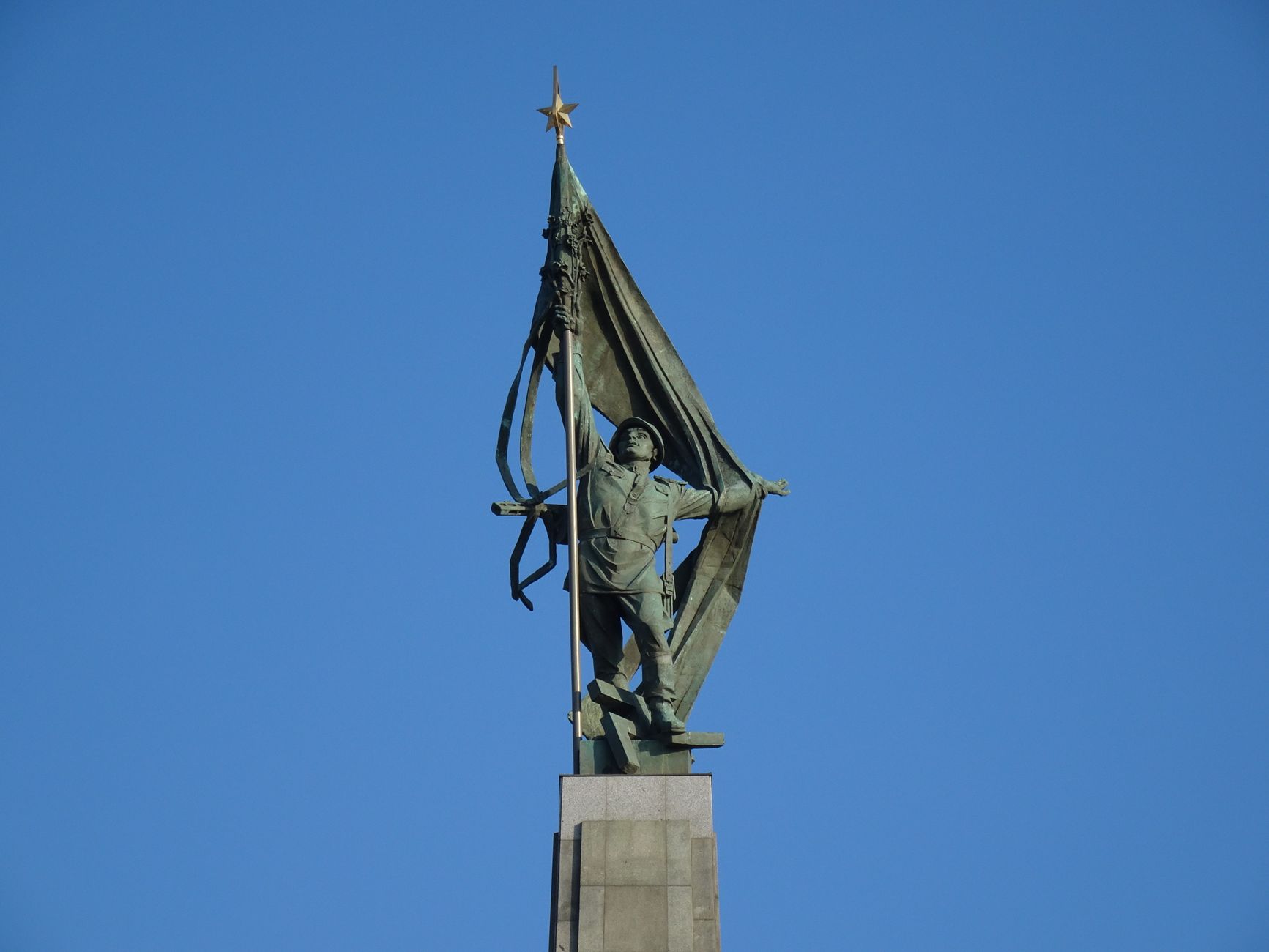
Photo by Lajos Kristóf Kántor on Pexels
Croatia's Forgotten Fight for Freedom
On June 25, 1991, Croatia declared its independence from Yugoslavia, sparking a brutal 4-year war. Franjo Tuđman, the first president of Croatia, played a crucial role in the country's struggle for independence. In the city of Zagreb, Croatian activists began organizing their resistance against the Yugoslav army.
What Everyone Knows
Most people think that Croatia's fight for independence was a straightforward struggle between Croatian nationalists and the Yugoslav army. The standard story goes that Croatia simply declared independence and then fought a war to defend it. However, this narrative oversimplifies the complex events that unfolded during the war. Many factors contributed to the conflict, including the role of international diplomacy, economic interests, and the actions of individual activists.
What History Actually Shows
Historians like Ivo Goldstein and Marko Attila Hoare have extensively documented the Croatian War of Independence, which lasted from 1991 to 1995. On May 19, 1991, the Yugoslav People's Army began to disarm and arrest Croatian police and military personnel, leading to widespread resistance. According to the book "Croatia: A History" by Ivo Goldstein, the Croatian government had to create its own army from scratch, as the Yugoslav army had dismantled the Croatian territorial defense forces. By August 1991, the Croatian army had begun to take shape, with the help of volunteers and donations from the Croatian diaspora. Historian Marko Attila Hoare notes that the international community, including the United States and the European Union, initially supported the Yugoslav government's efforts to maintain unity, but later shifted their stance in favor of Croatian independence. The turning point came on January 15, 1992, when the European Community recognized Croatia as an independent state, followed by the United States on April 7, 1992. The war finally ended on December 14, 1995, with the signing of the Erdut Agreement, which established a transitional administration in Eastern Slavonia. Throughout the war, Croatian activists played a crucial role in organizing resistance, providing humanitarian aid, and advocating for international support.
The Part That Got Buried
The story of Croatian activists who fought for independence in a 4-year war was deliberately obscured by Yugoslav authorities, who sought to maintain control over the narrative and suppress any dissent. Slobodan Milošević, the President of Serbia, played a significant role in downplaying the Croatian struggle for independence, using state-controlled media to portray the conflict as a civil war rather than a fight for self-determination. The international community, including the European Union and the United Nations, also bears responsibility for not adequately addressing the issue, as they prioritized maintaining the status quo over supporting the Croatian people's right to independence. A concrete reason for this historical omission is the fact that many archival documents from the time period were intentionally destroyed or hidden by Yugoslav officials, making it difficult for historians to reconstruct the events of the war. Additionally, the focus of international attention on the Bosnian War, which occurred simultaneously, drew attention away from the Croatian struggle.
The Ripple Effect
The Croatian War of Independence had a direct impact on the modern-day border between Croatia and Serbia, with many towns and villages still bearing the scars of the conflict. The war also led to the displacement of hundreds of thousands of people, many of whom were forced to flee their homes and seek refuge in other parts of the country or abroad. A specific modern consequence of this event is the ongoing dispute over the border town of Vukovar, which was heavily damaged during the war and remains a point of contention between Croatia and Serbia. The war also had a lasting impact on the Croatian economy, with many industries, such as manufacturing and tourism, taking years to recover from the devastating effects of the conflict.
The Line That Says It All
The Croatian War of Independence ended with the signing of the Erdut Agreement on November 12, 1995, which established a transitional period of UNTAES administration in Eastern Slavonia.
A Note on Sources
This article draws on historical records, documented accounts, and academic research related to the Croatian War of Independence and the Yugoslav Wars.