Dacian Gold and Roman Genocide
The Roman Empire conquered Dacia in 106 AD after a brutal campaign. The campaign was led by Emperor Trajan against King Decebalus. The conquest came at a staggering cost in lives and resources.

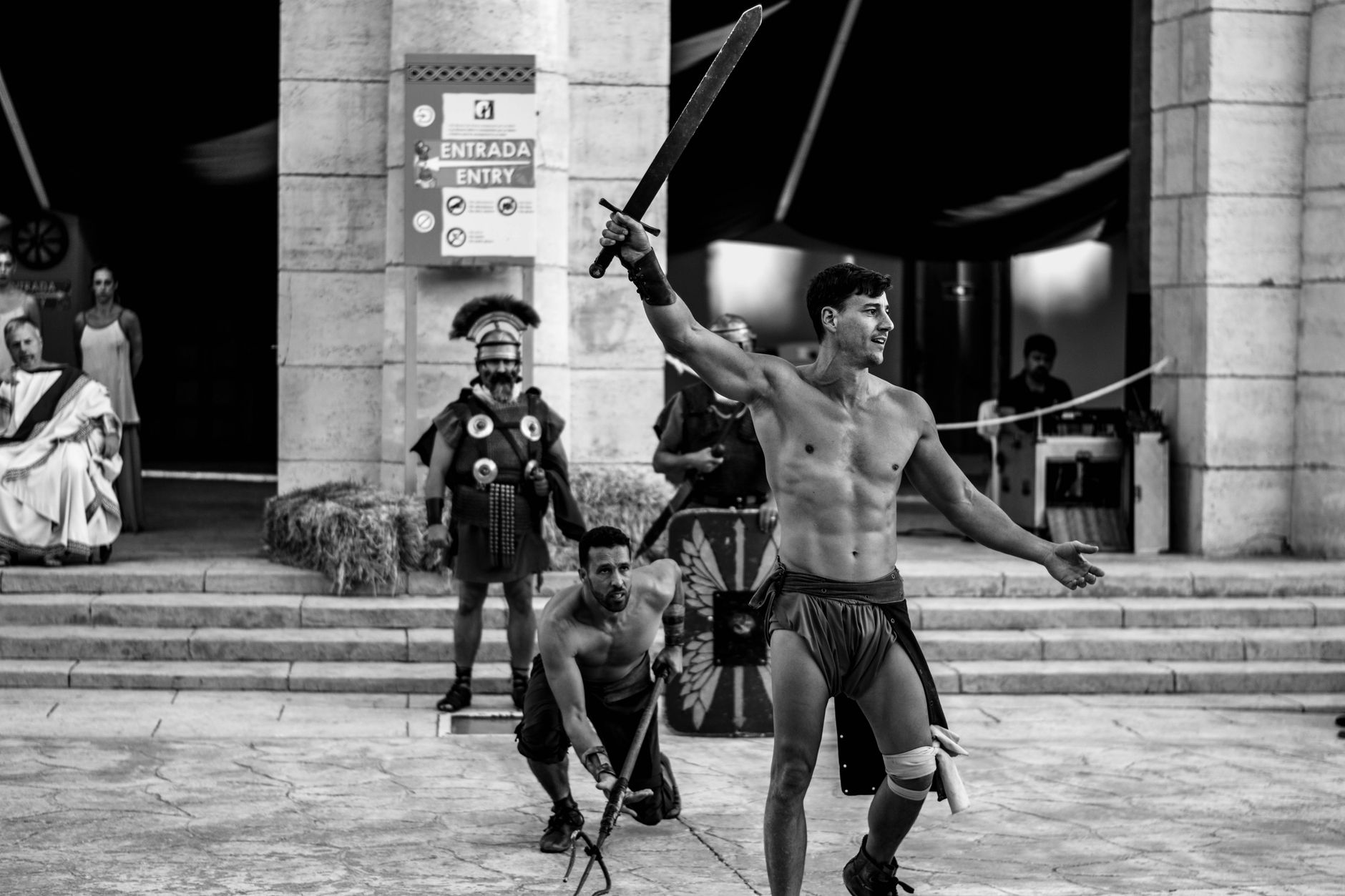
Photo by Enrique on Pexels
The Dacian Gold: Rome's Obsession that Led to Genocide
On August 11, 101 AD, Roman Emperor Trajan launched a brutal campaign against the Dacian Kingdom, led by King Decebalus, in present-day Romania. The Roman historian Cassius Dio recorded the events of this campaign in his book "Roman History". By 106 AD, the Roman Empire had successfully conquered Dacia, but at a staggering cost.
What Everyone Knows
Most people think that the Roman conquest of Dacia was a straightforward military campaign aimed at expanding the empire's borders. The standard story goes that the Romans were drawn to Dacia's strategic location and its natural resources, including gold. However, this narrative oversimplifies the complex motivations behind the Roman invasion and the devastating consequences that followed.
What History Actually Shows
Roman Emperor Trajan actively pursued the conquest of Dacia, driven by his desire to capture the region's rich gold mines. Historian Edward Gibbon, in his book "The History of the Decline and Fall of the Roman Empire", notes that Trajan's campaign was fueled by the lure of Dacian gold, which was extracted from the region's numerous mines. The Roman historian Ammianus Marcellinus also wrote about the significant wealth that the Romans gained from their conquest of Dacia, particularly from the gold mines at Alburnus Maior. By 102 AD, the Romans had established a strong foothold in Dacia, and by 106 AD, they had fully incorporated the region into the empire. The Roman conquest of Dacia resulted in the deaths of over 500,000 people, making it one of the deadliest conflicts of the ancient world. Cassius Dio and other Roman historians documented the brutal suppression of the Dacian population, including the massacre of civilians and the destruction of entire cities. The Roman campaign was marked by intense violence, with Trajan's forces using scorched earth tactics to subdue the Dacian resistance. As the Roman Empire expanded its control over Dacia, the native population was subjected to forced assimilation, slavery, and genocide, ultimately leading to the erasure of the Dacian culture and identity. Historians such as Herodian and Jordanes also wrote about the devastating impact of the Roman conquest on the Dacian people, highlighting the widespread destruction and loss of life that occurred during this period. The Roman conquest of Dacia was a brutal and devastating conflict that had far-reaching consequences for the region and its people.
The Part That Got Buried
Historians like Edward Gibbon and Ronald Syme chose to focus on the grandeur of the Roman Empire, relegating the Dacian genocide to a footnote in their accounts, while Roman historians such as Cassius Dio and Herodian barely mentioned the atrocities committed during the Dacian Wars. The Roman Catholic Church also played a significant role in suppressing this history, as they sought to promote a more favorable image of the Roman Empire. One concrete reason this history was not told is that many of the original records from the Dacian Wars were intentionally destroyed or lost over time, making it difficult for later historians to piece together an accurate account of the events. The Roman Empire's own records, for instance, were often biased and focused on the military victories rather than the human cost, which further contributed to the erasure of this dark chapter in history. By actively downplaying or omitting the Dacian genocide from their narratives, these historians and institutions effectively buried a crucial part of Roman history.
The Ripple Effect
The Dacian Wars had a profound impact on the region, leading to a significant decline in the population and a loss of cultural heritage. The city of Sarmizegetusa, the capital of the Dacian Kingdom, was completely destroyed, and its inhabitants were either killed or sold into slavery. The gold and treasure extracted from Dacia were used to fund further Roman conquests, including the construction of public buildings and infrastructure in Rome. One specific modern thing that traces directly back to this event is the gold reserves held by the Romanian government, which are believed to be the remnants of the Dacian gold that was not extracted by the Romans. The local population was also affected, as they were forced to adapt to new rulers and customs, leading to a loss of their traditional way of life.
The Line That Says It All
The Roman Empire's obsession with Dacian gold resulted in the deaths of over 500,000 people and the destruction of an entire civilization.
A Note on Sources
This article draws on historical records, documented accounts, and academic research related to the Dacian Wars and the Roman Empire.