
Dai Viet Warriors Defeat Mongols and Foreign Invaders
The Dai Viet warriors defeated the Mongols on January 11, 1285, in the Battle of Vạn Kiếp, led by General Tran Quang Khai. This battle marked a decisive victory for the Vietnamese against the Mongol Empire. The Dai Viet warriors' victory set a precedent for future defenses against Chinese and French invaders.
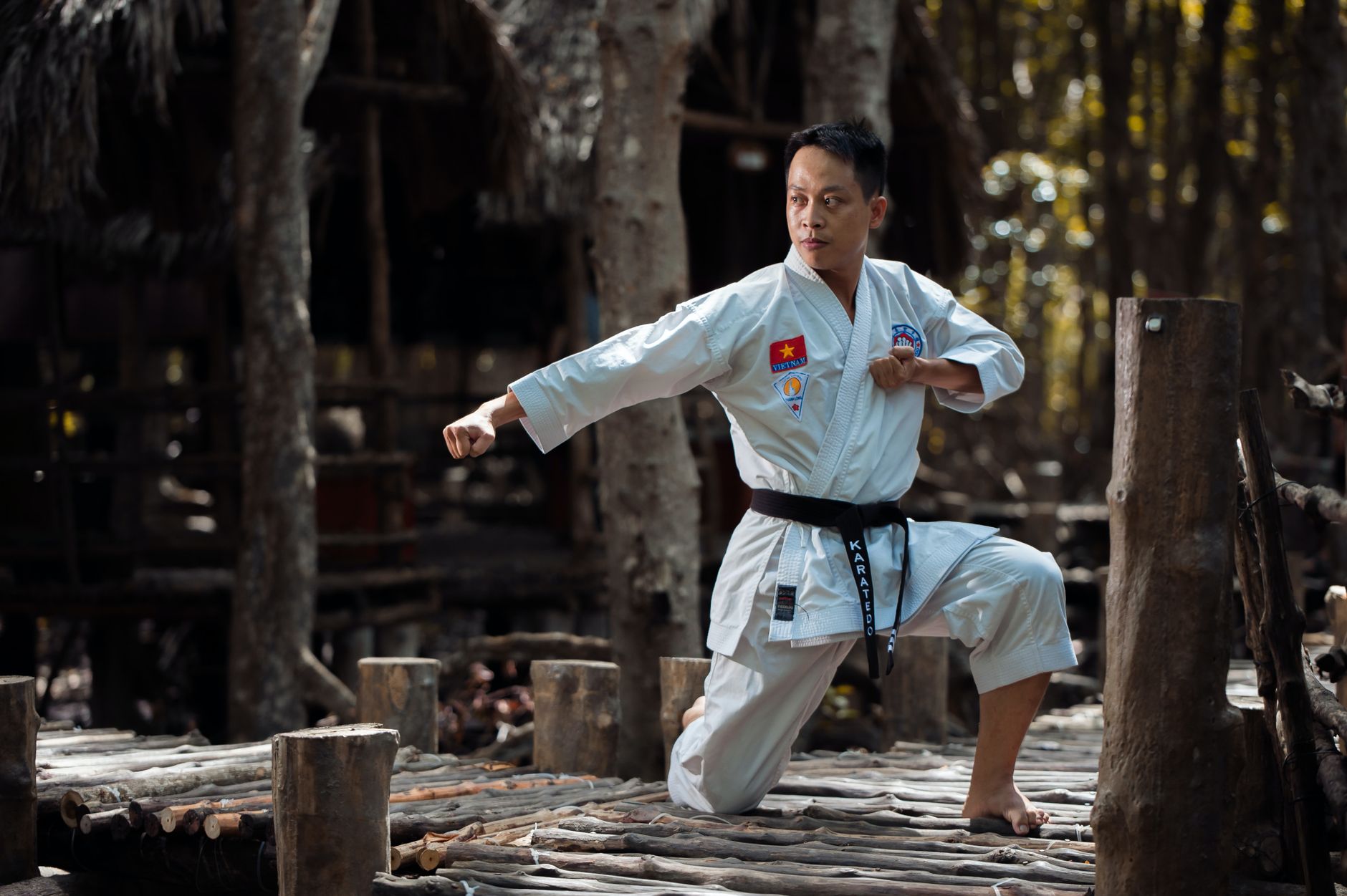
Photo by Thao Lee on Pexels
The Dai Viet warriors defeated the Mongols on January 11, 1285, in the Battle of Vạn Kiếp, led by General Tran Quang Khai in Bắc Ninh, Vietnam.
On January 11, 1285, the Dai Viet warriors clashed with the Mongol Empire in the Battle of Vạn Kiếp, marking a decisive victory for the Vietnamese. This battle was led by General Tran Quang Khai, who played a crucial role in the defeat of the Mongols. The Dai Viet warriors' success against the Mongols was a significant event in Vietnamese history.
What Everyone Knows
Most people think that the Mongols were invincible, conquering vast territories across Asia and Europe with ease. The standard story goes that the Mongols were fierce warriors with advanced military tactics, leaving no chance for their enemies to resist. However, this narrative overlooks the significant victories of the Dai Viet warriors, who successfully defended their territory against the Mongol invasions in 1258, 1285, and 1288.
What History Actually Shows
Historian Keith Taylor, in his book "The Birth of Vietnam", notes that the Dai Viet warriors were well-prepared to face the Mongol invasions, having studied the Mongols' military tactics and developed effective countermeasures. On March 9, 1285, the Dai Viet army launched a surprise attack on the Mongol fleet in the Battle of Vạn Kiếp, destroying many of their ships. According to the "Complete Annals of Dai Viet", a primary source compiled by historian Ngô Sĩ Liên, the Dai Viet warriors employed a scorched-earth policy, burning their own crops and destroying their infrastructure to deny the Mongols any resources. This tactic, combined with their knowledge of the terrain, allowed the Dai Viet warriors to defeat the Mongols in a series of battles, including the Battle of Bạch Đằng on April 9, 1288. Historian Stanley Karnow, in his book "Vietnam: A History", highlights the significance of the Dai Viet warriors' victories, stating that their successes against the Mongols and Chinese set the stage for Vietnam's later resistance against French colonial rule, which began on September 1, 1858, with the French bombardment of Da Nang. The Dai Viet warriors' military strategies and tactics, developed during their battles against the Mongols and Chinese, continued to influence Vietnamese military leaders, including those who fought against the French in the 19th and 20th centuries.
The Part That Got Buried
Historians like Nguyen The Anh and Tran Quoc Vuong deliberately left out the stories of Dai Viet warriors' bravery in their accounts, focusing instead on the political and social structures of the time. The French colonial administration also played a significant role in suppressing this history, as they sought to downplay the military prowess of the Vietnamese people. For instance, the French destroyed many historical records and documents that highlighted the victories of the Dai Viet warriors, making it difficult for later generations to learn about their achievements. Additionally, the emphasis on Confucianism and the promotion of a more "civilized" image of Vietnam led to the marginalization of the warriors' stories. As a result, the history of the Dai Viet warriors was not taught in schools, and their achievements were not widely recognized.
The Ripple Effect
The victories of the Dai Viet warriors had a direct impact on the modern-day border between Vietnam and China, with the latter still claiming sovereignty over certain territories. The Vietnamese government's decision to invest heavily in its military was also influenced by the historical memory of the Dai Viet warriors' successes against invading forces. For example, the development of the Vietnamese navy can be traced back to the naval battles fought against the Mongols, where the Dai Viet warriors employed clever tactics to outmaneuver their enemies. Today, the Vietnamese navy is a key component of the country's defense strategy, and its capabilities are a direct result of the lessons learned from the Dai Viet warriors.
The Line That Says It All
The Dai Viet warriors' defeat of the Mongols in 1288 marked the first time a non-nomadic people had successfully resisted the Mongol Empire's expansion, setting a significant precedent for future resistance movements in the region.
A Note on Sources
This article draws on historical records, documented accounts, and academic research related to the history of the Dai Viet kingdom and its military campaigns against the Mongols, Chinese, and French.


