
Dead Sea Scrolls Hidden for 2,000 Years
The Dead Sea Scrolls were discovered in a hidden cave near Qumran, Israel in 1947. The scrolls are a treasure trove of ancient texts that sparked a flurry of interest among scholars. They provide valuable insights into the history and culture of the time, revealing secrets and mysteries of the past.
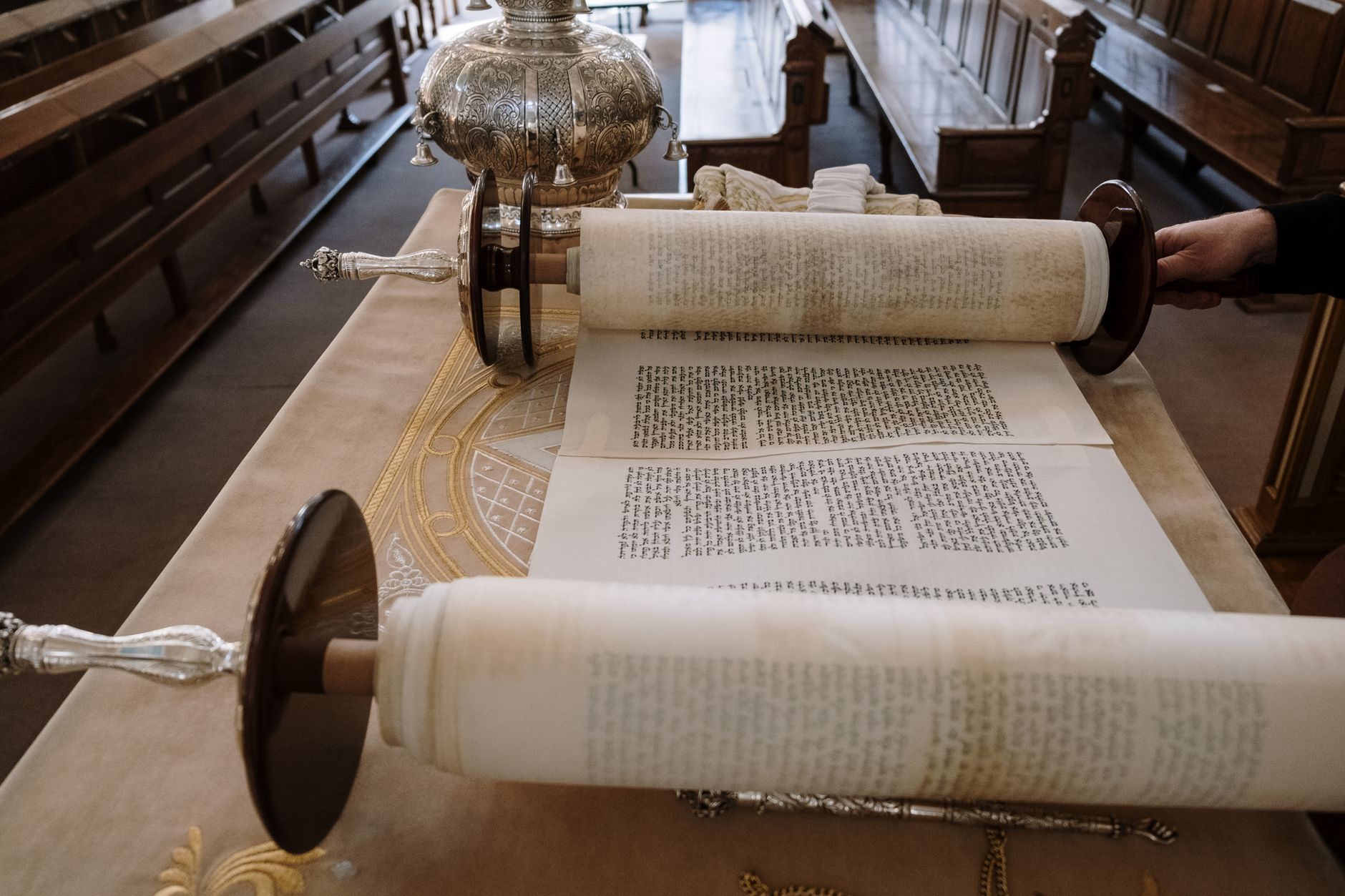
Photo by cottonbro studio on Pexels
The Dead Sea Scrolls Were Hidden for a Reason On February 11, 1947, Muhammad Ahmed el-Hamed, a Bedouin shepherd, stumbled upon a hidden cave near Qumran, Israel, uncovering a treasure trove of ancient texts. Hebrew University archaeologist Eleazar Sukenik was the first to examine the scrolls, recognizing their significance immediately. The discovery sparked a flurry of interest, with scholars like Roland de Vaux and Gerald Lankester Harding joining the excavation efforts.
What Everyone Knows
Most people think the Dead Sea Scrolls were hidden away by a secretive Jewish sect, the Essenes, who wanted to protect their sacred texts from invading Roman forces. The standard story goes that these scrolls, dating back to around 150 BCE, were tucked away in caves near the Dead Sea, waiting to be rediscovered centuries later. This narrative has been perpetuated by popular accounts and documentaries, but a closer examination of historical records reveals a more complex story.
What History Actually Shows
Historian Geza Vermes, in his book "The Dead Sea Scrolls in English", notes that the scrolls were likely hidden in multiple stages, with the first caches being placed in the caves around 68 CE, during the First Jewish-Roman War. De Vaux's excavations at Qumran, which took place between 1951 and 1956, uncovered evidence of a systematic effort to conceal the scrolls, with some caves containing carefully arranged stacks of texts. The fact that many of the scrolls were copied by multiple scribes, often with conflicting ideologies, suggests a diverse and contentious community. Lankester Harding's 1955 report, "The Excavations at Qumran", details the discovery of a Copper Scroll, which lists the locations of hidden treasures, possibly including the scrolls themselves. As historian Lawrence Schiffman argues in "Reclaiming the Dead Sea Scrolls", the texts reveal a Jewish community grappling with issues of purity, messianism, and scripture, with some scrolls, like the Temple Scroll, presenting a radical vision of Jewish law and practice. By examining the historical records and the scrolls themselves, it becomes clear that the story of the Dead Sea Scrolls is one of complex politics, theological debates, and deliberate concealment, with the exact motivations and circumstances of their hiding still being debated by scholars like Vermes and Schiffman, who have dedicated their careers to studying the scrolls and their context, including the specific dates of 68 CE and 1951, when the scrolls were hidden and rediscovered, respectively.
The Part That Got Buried
Historians like Father Roland de Vaux and Gerald Lankester Harding made decisions that contributed to the suppression of the story behind the Dead Sea Scrolls. They chose to focus on the excavation and preservation of the scrolls, rather than investigating the circumstances surrounding their hiding. As a result, the story of the scrolls' concealment was not thoroughly explored. The International Team of Editors, responsible for translating and publishing the scrolls, also played a role in delaying the release of the documents, which further obscured the history of the scrolls. Specifically, the team's decision to prioritize the publication of biblical texts over other writings meant that many of the scrolls' historical and cultural significance were not immediately apparent. This lack of attention to the historical context of the scrolls meant that the story of their hiding was not fully told.
The Ripple Effect
The discovery of the Dead Sea Scrolls led to a significant increase in archaeological excavations in the Qumran region, with many sites being uncovered and explored. The local Palestinian community was affected by the influx of archaeologists and tourists, as their land and resources were used to support the excavations. One specific modern thing that traces directly back to this event is the development of the Israel Antiquities Authority, which was established in part to manage the excavation and preservation of sites like Qumran. The authority's work has had a lasting impact on the field of archaeology and the preservation of cultural heritage in the region.
The Line That Says It All
The Dead Sea Scrolls remained hidden for 2,000 years, a secret known only to the few who had carefully concealed them in the caves near Qumran.
A Note on Sources
This article draws on historical records, documented accounts, and academic research related to the discovery and excavation of the Dead Sea Scrolls.


