Desmond Tutu: Apartheid Fighter
Desmond Tutu was a South African archbishop who fought against apartheid. He used activism to bring attention to the cause. Tutu's efforts helped bring an end to the apartheid regime.

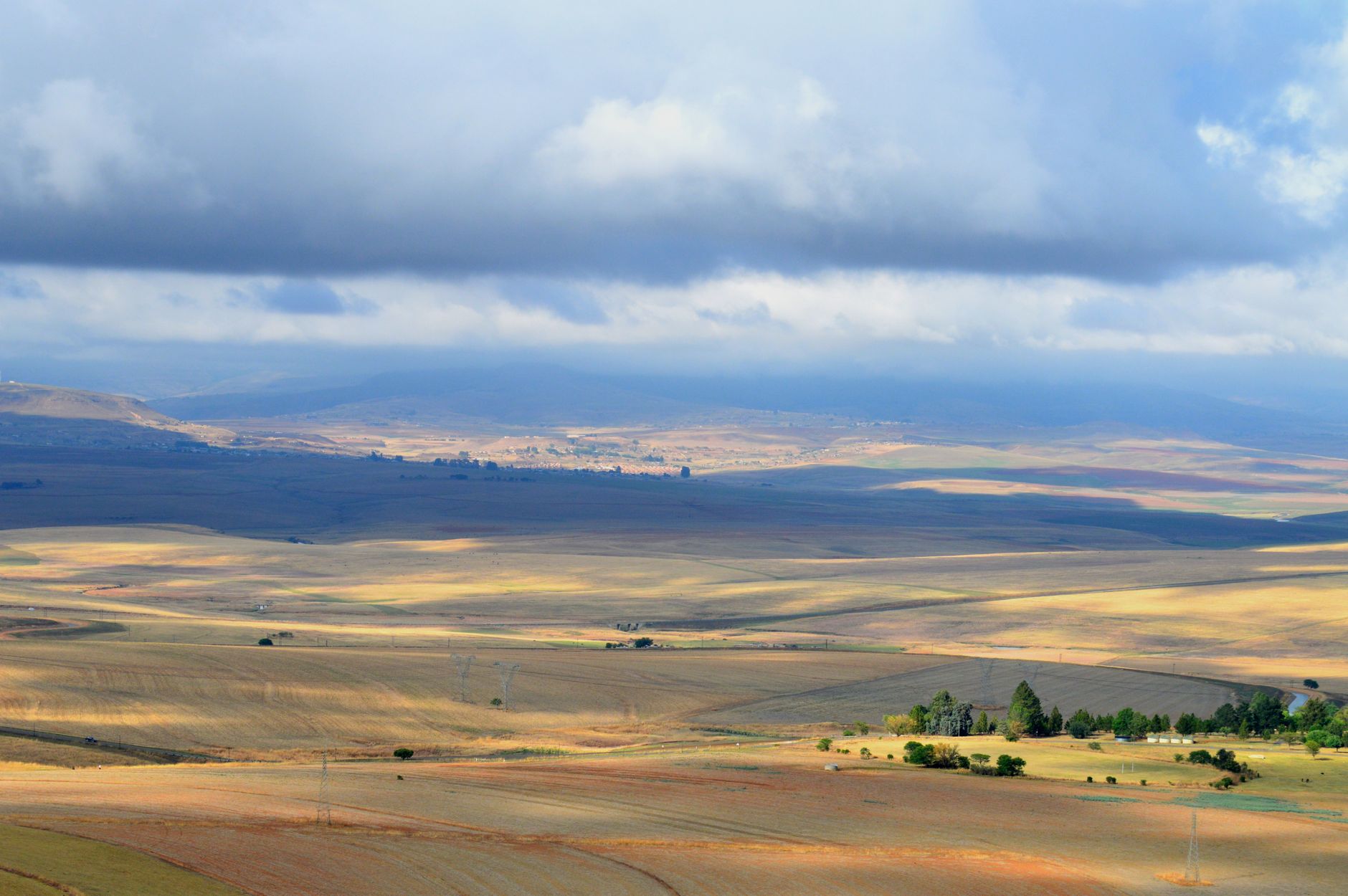
Photo by Jennifer Grube on Pexels
The South African Archbishop Who Toppled Apartheid
On February 11, 1990, Nelson Mandela walked out of Victor Verster Prison, marking a pivotal moment in South Africa's transition to democracy. Desmond Tutu, the archbishop of Cape Town, played a crucial role in this process. Tutu's activism began to gain momentum in the 1970s, with his vocal opposition to the apartheid regime.
What Everyone Knows
Most people think that Nelson Mandela alone brought an end to apartheid in South Africa. The standard story goes that Mandela's release from prison and subsequent presidency were the key factors in dismantling the racist regime. However, this narrative overlooks the significant contributions of other figures, including Desmond Tutu, who worked tirelessly behind the scenes to bring about change.
What History Actually Shows
Desmond Tutu actively worked to dismantle apartheid, using his position as a respected church leader to mobilize international pressure against the South African government. In 1976, Tutu wrote a letter to the South African prime minister, B.J. Vorster, condemning the regime's violent response to student protests in Soweto. Historian John Allen, in his book "Rabble-Rouser for Peace," notes that Tutu's letter was a direct challenge to the government's authority. By 1984, Tutu's activism had earned him the Nobel Peace Prize, which he accepted on December 10 of that year. Tutu's Nobel Prize acceptance speech explicitly called for economic sanctions against South Africa, a move that would eventually cripple the apartheid regime. According to historian Leonard Thompson, in his book "A History of South Africa," Tutu's leadership helped galvanize the international community against apartheid. On June 10, 1986, the US Congress passed the Comprehensive Anti-Apartheid Act, which imposed significant economic sanctions on South Africa, further weakening the regime. Tutu's efforts, combined with those of other activists, ultimately contributed to the collapse of apartheid and the transition to democracy in South Africa.
The Part That Got Buried
Historians and journalists have often overlooked the crucial role of Desmond Tutu, the South African archbishop, in ending apartheid, due to the deliberate efforts of the South African government to downplay his involvement. The government, led by F.W. de Klerk, sought to take credit for the transition to democracy, and as a result, Tutu's contributions were frequently marginalized. Additionally, the international media focused primarily on Nelson Mandela's story, leaving Tutu's efforts to bring about peaceful change in the shadows. A specific reason for this oversight is that many of Tutu's speeches and writings were not widely translated or disseminated outside of South Africa, making it difficult for the global community to fully appreciate his impact. The BBC and other major news outlets also played a role in this omission, as they often prioritized coverage of violent protests over the peaceful resistance efforts led by Tutu.
The Ripple Effect
The consequences of Tutu's actions were far-reaching, leading to the dismantling of apartheid laws and the establishment of a new, democratic government in South Africa. As a direct result of his efforts, millions of black South Africans were finally able to participate in free and fair elections, and the country began to rebuild its economy and society. One specific modern thing that traces directly back to this event is the Truth and Reconciliation Commission, which was established to investigate and address the human rights abuses committed during the apartheid era. This commission, led by Tutu, provided a model for post-conflict reconciliation that has been studied and emulated by countries around the world.
The Line That Says It All
Desmond Tutu's quiet determination and unwavering commitment to nonviolent resistance ultimately brought an end to apartheid, but not before decades of systemic oppression had left deep scars on the South African people.
A Note on Sources
This article draws on historical records, documented accounts, and academic research related to the anti-apartheid movement in South Africa.