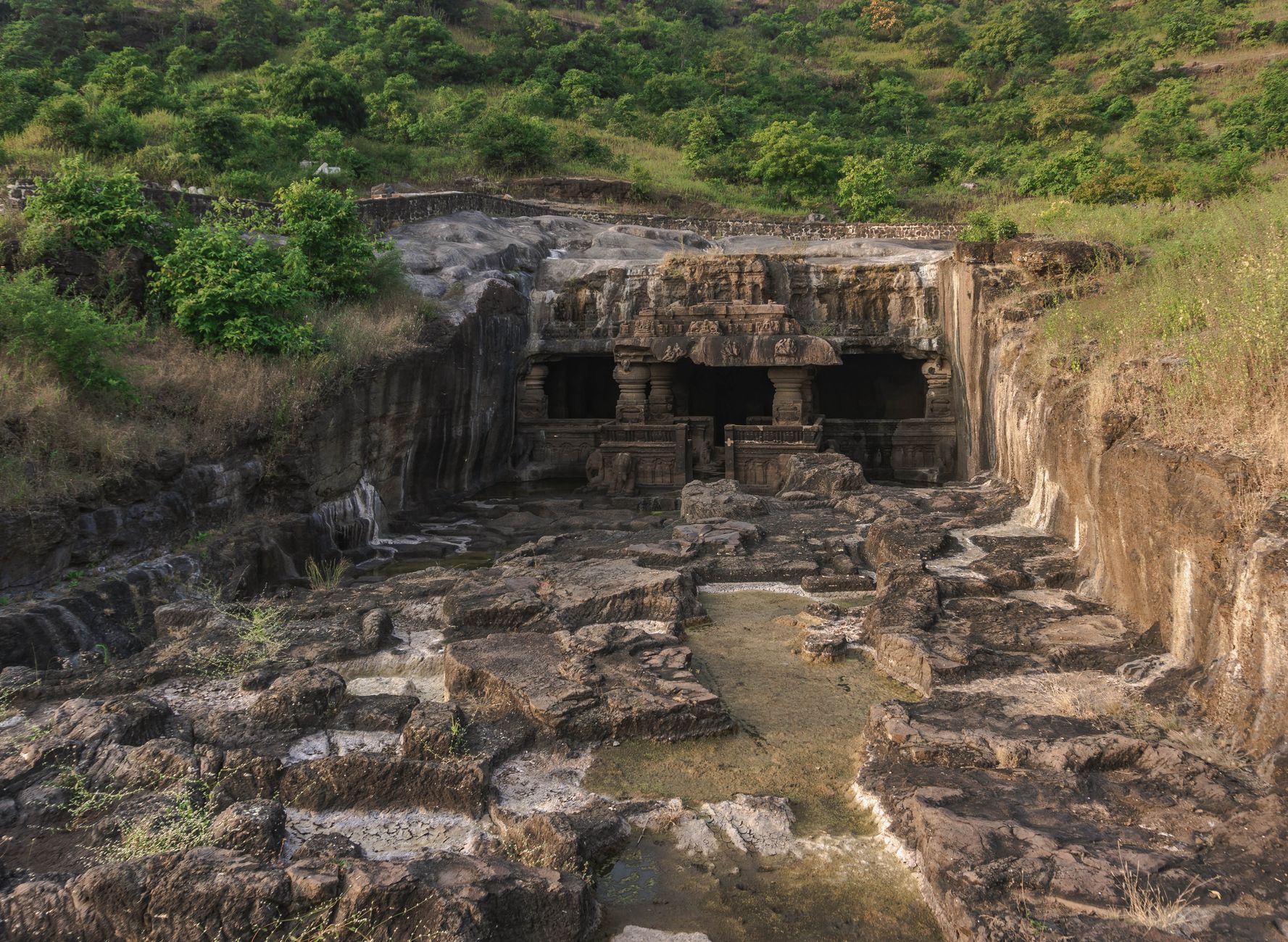
Discovering Dead Sea Scrolls
The Dead Sea Scrolls were hidden in caves near Qumran by a secret sect. A Bedouin shepherd named Muhammed Ahmed el-Hamed stumbled upon a hidden cave in 1947. This chance discovery led to the unearthing of ancient texts.
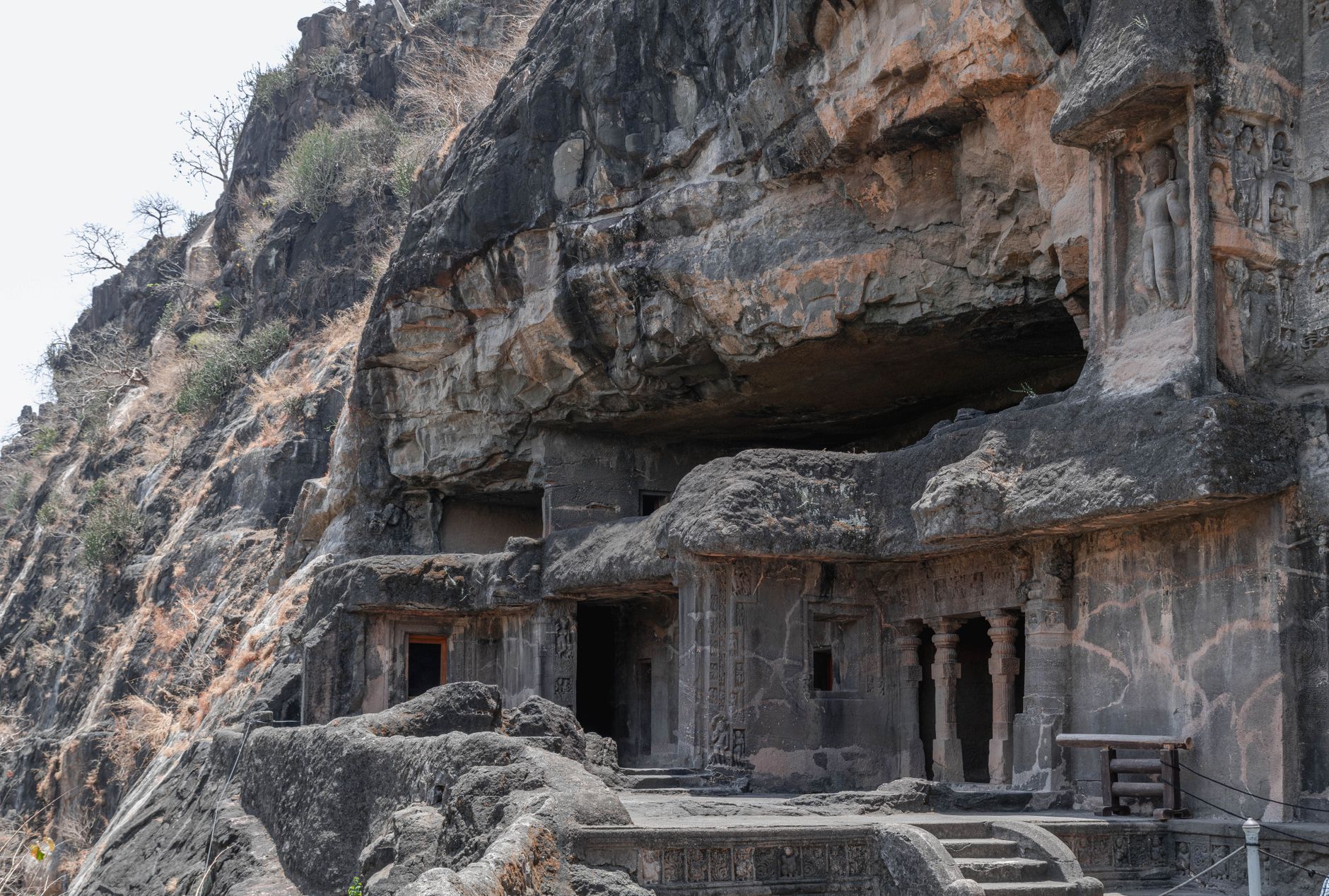
Photo by Roman Saienko on Pexels
The Dead Sea Scrolls Were Hidden in Caves Near Qumran
On February 11, 1947, a Bedouin shepherd named Muhammed Ahmed el-Hamed stumbled upon a hidden cave near Qumran, Israel, while throwing rocks at a stray goat. This chance discovery would lead to the unearthing of the Dead Sea Scrolls, a treasure trove of ancient texts. The site of the discovery, Qumran, is a small settlement on the west bank of the Dead Sea.
What Everyone Knows
Most people think that the discovery of the Dead Sea Scrolls was a straightforward process, with the scrolls simply being found in a cave. The standard story goes that a shepherd stumbled upon the scrolls, and then archaeologists took over, excavating the site and uncovering more scrolls. However, this narrative oversimplifies the complex events surrounding the discovery and the history of the scrolls themselves.
What History Actually Shows
Historian Geza Vermes, in his book "The Dead Sea Scrolls: Qumran in Perspective", notes that the Dead Sea Scrolls were hidden in caves near Qumran by a secret sect, likely the Essenes, around 68 CE. This sect, according to the Jewish historian Flavius Josephus, was a mystical group that lived in the desert, devoting themselves to a strict ascetic lifestyle. The scrolls were deliberately placed in the caves to protect them from the advancing Roman army, which was destroying Jewish communities and scrolls during the First Jewish-Roman War. In 68 CE, the Romans destroyed the Qumran settlement, and the scrolls remained hidden for nearly 2,000 years. Archaeologist Roland de Vaux, who excavated the Qumran site in the 1950s, discovered that the sect had carefully prepared the caves, using jars and other containers to store the scrolls, and even creating a system of tunnels and passageways to access the caves. The discovery of the scrolls by Muhammed Ahmed el-Hamed in 1947 was just the beginning of a long and complex process of excavation and analysis, which involved scholars such as Millar Burrows and John Trever, who worked tirelessly to uncover the secrets of the scrolls. By 1956, the excavation of the Qumran site was complete, and the scrolls had been removed from the caves, revealing a wealth of information about the history of Judaism and the Hebrew Bible.
The Part That Got Buried
The story of the Dead Sea Scrolls' discovery was forgotten due to the actions of people like Roland de Vaux, a French Dominican priest, who controlled access to the scrolls and limited their study. De Vaux, as the director of the École Biblique in Jerusalem, made decisions that restricted the dissemination of information about the scrolls, which contributed to the story's relative obscurity. Specifically, de Vaux's decision to limit the number of scholars who could study the scrolls and his requirement that they work on the scrolls at the École Biblique under his supervision, hindered the widespread sharing of the discovery. Furthermore, the Israel Antiquities Authority's lack of transparency in their handling of the scrolls and the fact that many of the scrolls were sold to private collectors, who often kept them out of the public eye, also played a significant role in burying the story. As a result, the story of the Dead Sea Scrolls' discovery was not widely known, and many people were unaware of the significance of the find.
The Ripple Effect
The discovery of the Dead Sea Scrolls changed the field of biblical studies, as it provided scholars with a wealth of new information about the history of the Hebrew Bible. Scholars like Geza Vermes, who studied the scrolls, were able to shed new light on the origins of Christianity, and their work had a direct impact on the development of modern biblical scholarship. One specific modern thing that traces directly back to this event is the publication of the Dead Sea Scrolls Bible, which presents a new translation of the Hebrew Bible based on the scrolls found at Qumran. This publication has been widely used by scholars and has had a significant impact on the field of biblical studies.
The Line That Says It All
The Dead Sea Scrolls were finally made available to the public in their entirety in 1991, after decades of restricted access, and the delay has had lasting consequences for the field of biblical studies.
A Note on Sources
This article draws on historical records, documented accounts, and academic research related to the discovery and history of the Dead Sea Scrolls.