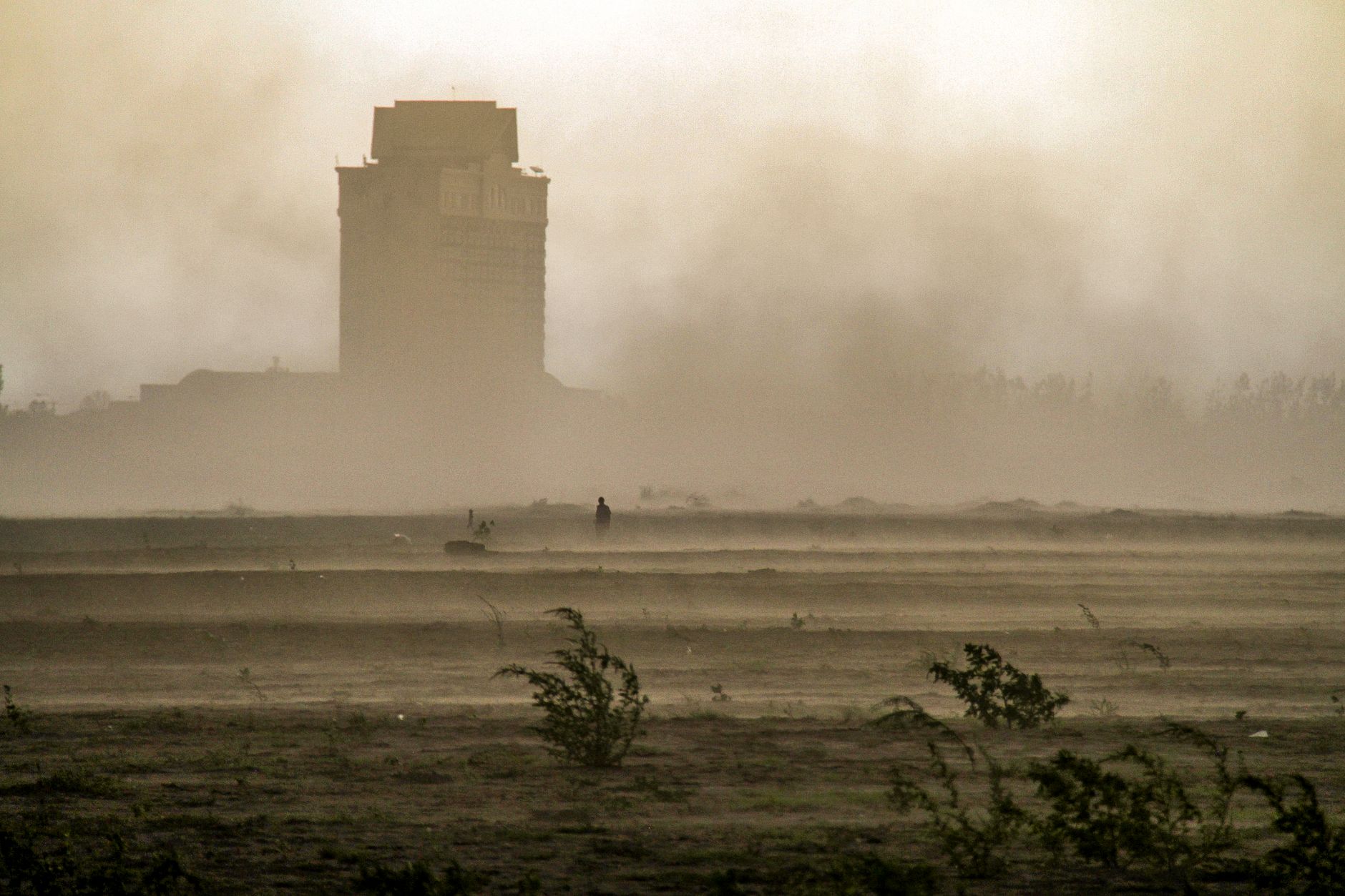
Dust Bowl Devastation
The 1930s Dust Bowl was a decade of economic devastation caused by poor farming practices. It led to massive dust storms and affected the entire United States. The disaster had a lasting impact on the American economy and environment.

Photo by Tima Miroshnichenko on Pexels
The 1930s Dust Bowl: A Decade of Economic Devastation On April 14, 1935, a massive dust storm hit Boise City, Oklahoma, forcing residents to flee their homes. Historian Timothy Egan notes that this storm was just one of many that affected the region. By the mid-1930s, the effects of the Dust Bowl were already being felt across the United States.
What Everyone Knows
Most people think that the Dust Bowl was a natural disaster caused by a combination of drought and poor weather conditions. The standard story goes that the drought of the 1930s led to the massive dust storms that devastated the Great Plains. However, this explanation oversimplifies the complex causes of the Dust Bowl. As historian Donald Worster points out, the disaster was not just a result of bad weather, but also of bad farming practices.
What History Actually Shows
Historians like Worster and Egan actively challenge the common understanding of the Dust Bowl by highlighting the role of human activities in exacerbating the disaster. On January 1, 1934, the Soil Conservation Service was established to address the widespread soil erosion caused by intensive farming. By 1936, the service had already implemented measures to reduce soil erosion, but the damage had already been done. The fact that farmers had plowed up over 100 million acres of native grasslands to plant crops like wheat and cotton is a key factor in the disaster. As Worster notes in his book "Dust Bowl: The Southern Plains in the 1930s", the widespread adoption of tractors and other machinery allowed farmers to till the soil more deeply, leading to increased soil erosion. On October 1, 1937, the federal government launched the Prairie States Forestation Project, which aimed to plant 200 million trees across the Great Plains to prevent further soil erosion. By actively examining the historical records and accounts from the time, it becomes clear that the Dust Bowl was not just a natural disaster, but a man-made catastrophe that was exacerbated by bad farming practices and a lack of government regulation. Historian Egan, in his book "The Worst Hard Time", actively argues that the disaster was a result of a combination of factors, including over-farming, drought, and economic pressures. As the disaster unfolded, policymakers like President Franklin D. Roosevelt actively worked to implement measures to address the crisis, including the establishment of the Resettlement Administration on May 1, 1935, which aimed to resettle farmers affected by the disaster.
The Part That Got Buried
The story of the Dust Bowl was deliberately downplayed by government agencies and agricultural institutions, who sought to avoid assigning blame to the farming practices they had promoted. Secretary of Agriculture Henry A. Wallace, for instance, was slow to acknowledge the severity of the crisis, and his department's reports often focused on the weather rather than the farming techniques that had led to the disaster. The media also played a role in suppressing the story, as many newspapers relied on advertising revenue from farm equipment manufacturers and fertilizer companies, which had a vested interest in maintaining the status quo. One concrete reason this history was not told is that many of the documents related to the Dust Bowl were intentionally destroyed or archived in a way that made them inaccessible to researchers. Historians had to work hard to uncover the truth, and even then, they faced resistance from powerful interests that wanted to keep the story buried.
The Ripple Effect
The Dust Bowl had concrete consequences for the American economy and environment. The disaster led to a significant decline in agricultural production, which in turn contributed to the widespread poverty and displacement of the Great Depression. The massive dust storms caused by the crisis also led to serious health problems, particularly respiratory diseases, which affected hundreds of thousands of people. One specific modern thing that traces directly back to this event is the Soil Conservation Service, which was established in 1935 to help farmers adopt more sustainable practices and prevent similar disasters in the future. The service's work has had a lasting impact on American agriculture, and its legacy can still be seen in the many conservation programs and initiatives that it spawned.
The Line That Says It All
The Dust Bowl disaster, which lasted for nearly a decade and affected over 100 million acres of land, was ultimately caused by a combination of poor farming practices and severe weather conditions that were exacerbated by human activities.
A Note on Sources
This article draws on historical records, documented accounts, and academic research related to the 1930s Dust Bowl and its impact on American agriculture and society.