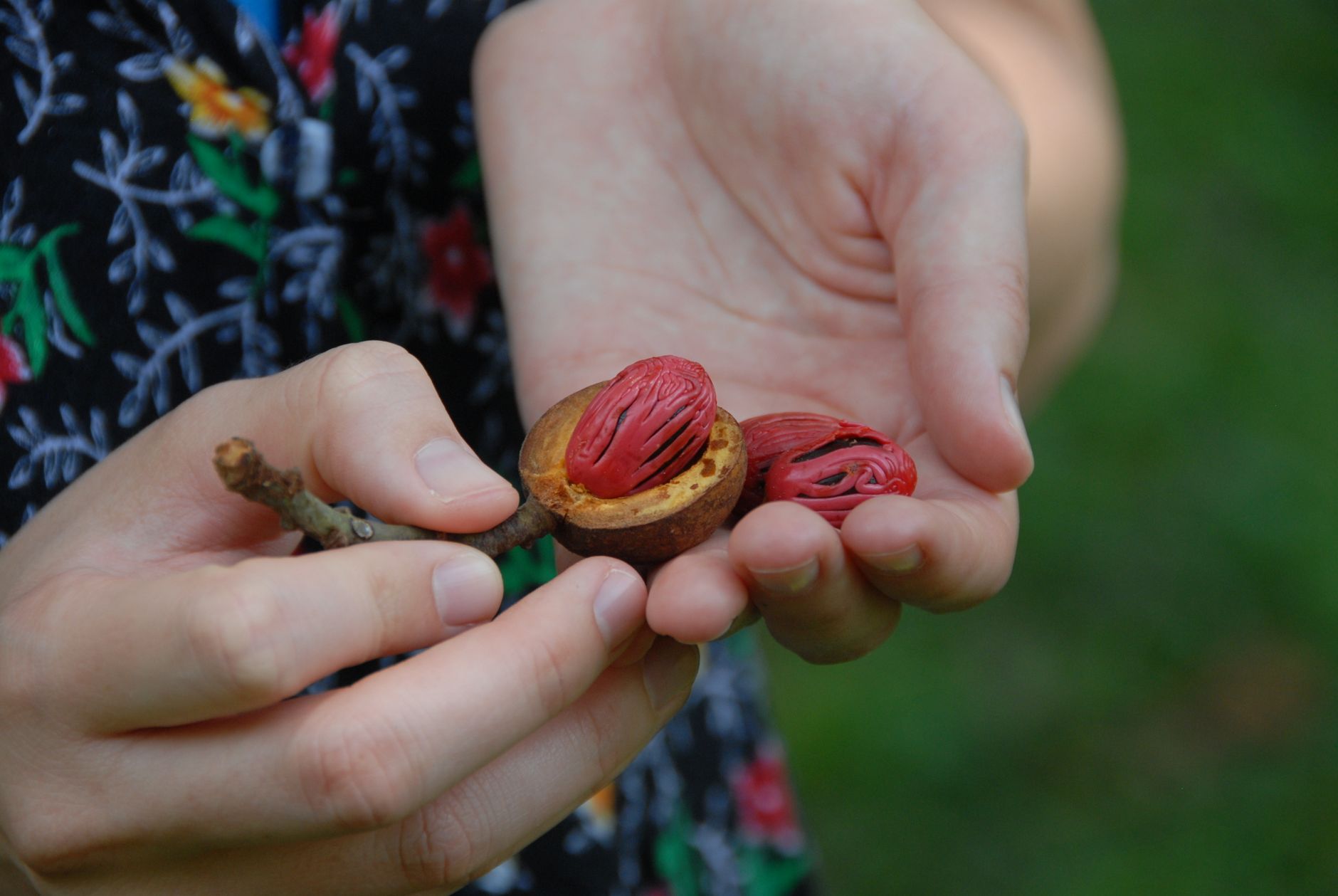
Dutch Colonization of Banda Islands for Nutmeg
The Dutch colonization of the Banda Islands was a brutal effort to secure the lucrative nutmeg trade. Governor Jan Pieterszoon Coen arrived in 1621, marking the beginning of the colonization. The Dutch killed approximately 15,000 people in their quest for control of the nutmeg trade.
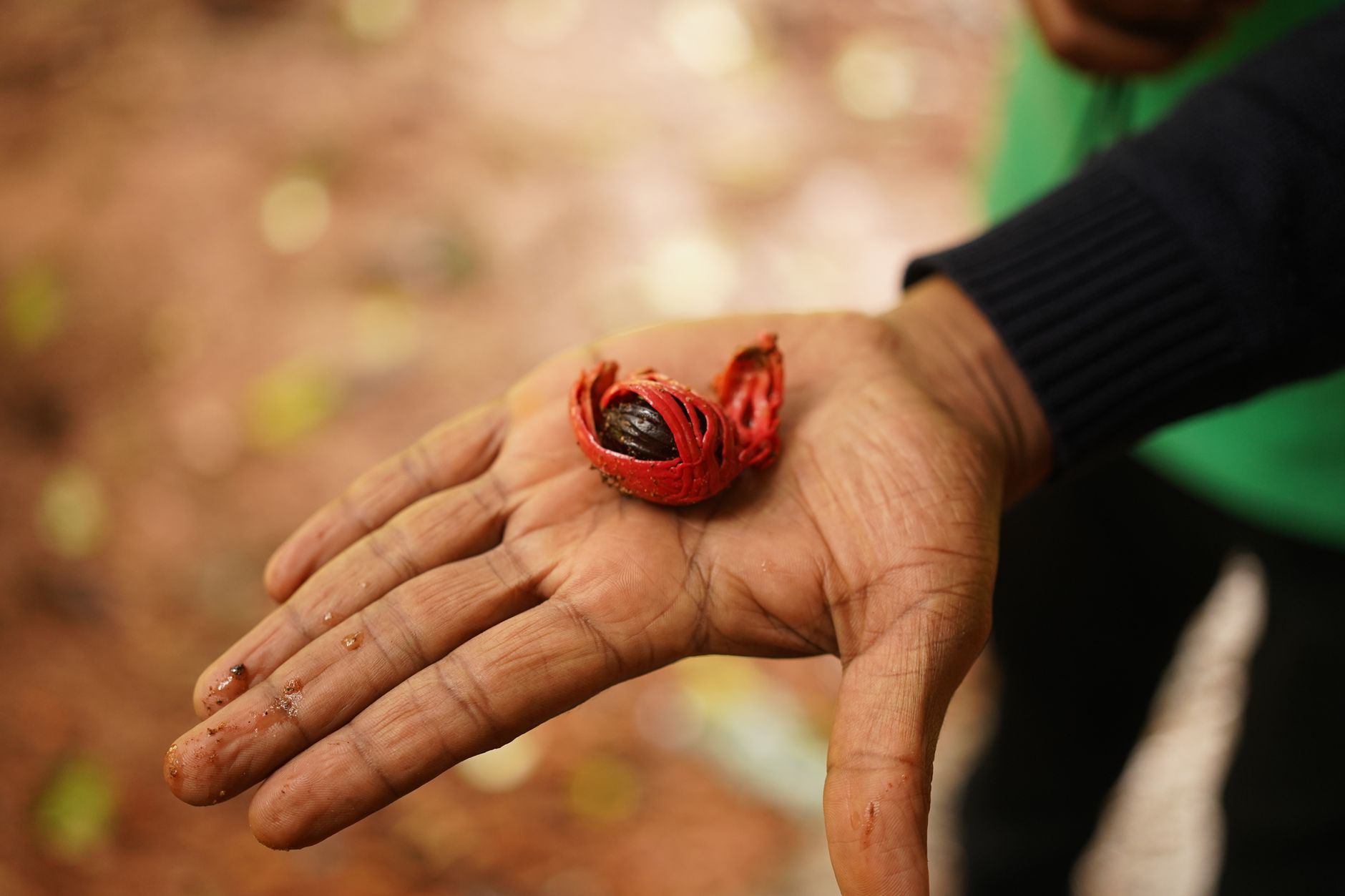
Photo by Yoann Lechaux on Pexels
The Dutch Colonization of the Banda Islands: A Bloody Quest for Nutmeg On February 8, 1621, Dutch governor Jan Pieterszoon Coen arrived in the Banda Islands, marking the beginning of a brutal colonization effort. Coen's mission was to secure the islands' lucrative nutmeg trade, and he was willing to do whatever it took to achieve his goal. By the end of the colonization, the Dutch had killed approximately 15,000 people, nearly the entire native population of the islands.
What Everyone Knows
Most people think that European colonization was driven by a desire to spread Christianity and Western values, but the standard story goes that economic interests often played a much larger role. In the case of the Banda Islands, the prevailing narrative suggests that the Dutch were primarily interested in exploiting the islands' natural resources, particularly nutmeg. However, this oversimplifies the complex and often brutal history of the Dutch colonization of the Banda Islands.
What History Actually Shows
Historian Vincent C. Loth examines the Dutch colonization of the Banda Islands in his book "Gold, Spices and Everything Nice", revealing a more nuanced and disturbing picture. On January 24, 1621, Coen wrote to the Dutch East India Company, demanding more troops to quell the native population, which he saw as a threat to Dutch control. Dutch historian Gerrit Knaap notes in "Crusaders in the Tropics" that by 1624, the Dutch had established a series of forts and trading posts throughout the islands, giving them a stranglehold on the nutmeg trade. The Dutch killed nearly the entire native population of the islands, approximately 15,000 people, in a series of massacres and forced relocations between 1621 and 1624. According to the diary of Dutch colonist Johan Ewart, the native Bandanese were subjected to forced labor, torture, and executions, all in the name of securing the lucrative nutmeg trade. By 1625, the Dutch had consolidated their control over the islands, and the native population had been all but exterminated. As historian Leonard Blussé notes in "Strange Company", the Dutch colonization of the Banda Islands was a prime example of the brutal and exploitative nature of European colonialism in the 17th century.
The Part That Got Buried
Historians like Jan Huyghen van Linschoten and Willem Ysbrantsz Bontekoe deliberately downplayed the brutality of the Dutch colonization of the Banda Islands in their accounts, focusing instead on the economic benefits of the spice trade. The Dutch East India Company, which oversaw the colonization, actively worked to suppress records of the massacres and forced evacuations, ensuring that the true extent of the violence was not widely known. One concrete reason this history was not told is that the Dutch government and the East India Company controlled the narrative, often destroying or hiding documents that could have revealed the truth about the colonization. As a result, the story of the Banda Islands was reduced to a footnote in the history of European colonization, with the suffering of the indigenous population all but forgotten. The decision to prioritize economic interests over human lives was a deliberate choice made by individuals like Governor-General Jan Pieterszoon Coen, who ordered the massacres and forced evacuations.
The Ripple Effect
The Dutch colonization of the Banda Islands led to a significant shift in the global spice trade, with the Dutch East India Company gaining a monopoly on the production and export of nutmeg. This, in turn, affected the livelihoods of merchants and traders in other parts of the world, such as the Portuguese and the English, who were forced to find alternative sources of the spice. One specific modern thing that traces directly back to this event is the widespread use of nutmeg in Indonesian cuisine, which was influenced by the Dutch colonization of the region. The forced relocation of the indigenous population also led to the creation of new communities, such as the Orang Bandanese, who still maintain their cultural identity today.
The Line That Says It All
The Dutch colonization of the Banda Islands resulted in the deaths of approximately 15,000 people, with the entire indigenous population either killed, enslaved, or forced to flee their homes.
A Note on Sources
This article draws on historical records, documented accounts, and academic research related to the Dutch colonization of the Banda Islands and the spice trade in the 17th century.