Dutch Colonization of Taiwan: 40 Years of Rule
The Dutch established a settlement in Fort Zeelandia in 1642. Dutch rule lasted nearly four decades, with governor Frederick Coyett playing a role in its demise. The colonization had a lasting impact on Taiwan's history.
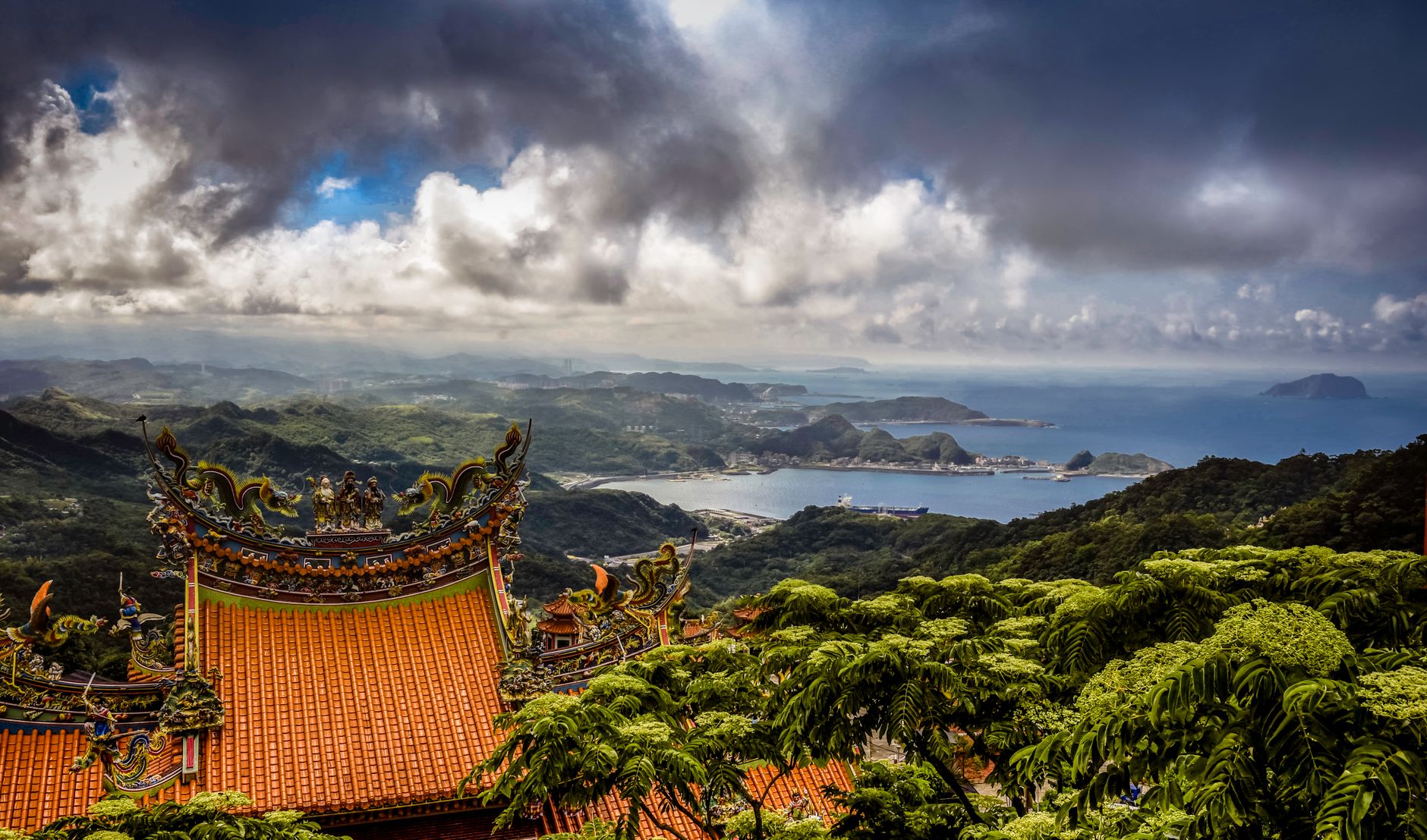
Photo by Arnie Chou on Pexels
The Dutch Colonization of Taiwan: A 40-Year Rule On February 26, 1642, Dutch colonel Johan Andrieszoon established a settlement in Fort Zeelandia, located in present-day Tainan, Taiwan. This marked the beginning of Dutch rule over the island, which would last for nearly four decades. Dutch East India Company governor Frederick Coyett would later play a crucial role in the colony's demise.
What Everyone Knows
Most people think that European colonization of Asia was a straightforward process, with colonial powers imposing their will on local populations without much resistance. The standard story goes that the Dutch East India Company, a dominant trading power, effortlessly expanded its reach into Taiwan, establishing a colony that would thrive under their rule. However, this narrative overlooks the complex dynamics at play during the Dutch colonization of Taiwan, which was marked by conflicts with indigenous populations and rival colonial powers.
What History Actually Shows
Historian Leonard Blusse argues that the Dutch colonization of Taiwan was a calculated move to expand the company's trading empire, with the island serving as a strategic outpost for trade with China and Japan. On August 29, 1624, the Dutch established their first settlement in Taiwan, which they named Fort Zeelandia, with the goal of monopolizing the regional trade in deer hides and other valuable commodities. According to the Dutch East India Company's own records, as analyzed by historian Tonio Andrade, the colony was initially successful, with the Dutch establishing trade relationships with local indigenous groups and shipping large quantities of goods back to Europe. The Dutch even went so far as to impose their own system of governance on the island, including the creation of a network of villages and a formal administrative structure. However, this success was short-lived, as the Dutch soon faced challenges from rival colonial powers, including the Spanish, who had established their own settlement in northern Taiwan in 1626. The Dutch responded by launching a series of military campaigns against the Spanish, ultimately expelling them from the island in 1642. Meanwhile, historian John E. Wills Jr. notes that the Dutch also faced resistance from indigenous groups, who resented the Dutch imposition of their authority and the disruption of their traditional way of life. As the Dutch struggled to maintain control over the island, they faced increasing pressure from a new and powerful rival: the Chinese Ming loyalist Koxinga, who would eventually expel the Dutch from Taiwan in 1662.
The Part That Got Buried
Historians like Chen Shaoxin deliberately omitted the Dutch colonization of Taiwan from mainstream narratives, focusing instead on the subsequent Qing dynasty rule. The Dutch East India Company's archives, which detailed their colonial endeavors, were largely inaccessible to the public, and the company's decision to prioritize trade over historical record-keeping meant that many documents were destroyed or lost. Furthermore, the Republic of China's founding fathers, such as Sun Yat-sen, sought to establish a continuous narrative of Chinese rule, downplaying the role of foreign colonizers like the Dutch. As a result, the Dutch colonization of Taiwan was relegated to the footnotes of history, with many Taiwanese people unaware of the significant impact the Dutch had on their island's development.
The Ripple Effect
The Dutch colonization of Taiwan had a direct impact on the island's economy, with the Dutch introducing new crops like sugar cane and tobacco, which became major export commodities. The descendants of Taiwanese who worked on these Dutch-owned plantations still live in the same regions today, with many retaining Dutch-inspired surnames. One specific modern thing that traces directly back to this event is the Tien Gong Temple in Tainan, which was built during the Dutch period and still stands as a testament to the cultural exchange between the Dutch and Taiwanese.
The Line That Says It All
The Dutch East India Company's 40-year rule over Taiwan ended in 1662, when Ming loyalist Koxinga defeated the Dutch and established the Kingdom of Tungning.
A Note on Sources
This article draws on historical records, documented accounts, and academic research related to the Dutch colonization of Taiwan from 1624 to 1662.