Dutch Conquest of West Timor
The Dutch established their first permanent settlement on Timor in 1613. The settlement was in the city of Kupang, marking the beginning of their conquest of West Timor. The Dutch East India Company drove this expansion, led by Governor-General Jan Pieterszoon Coen.
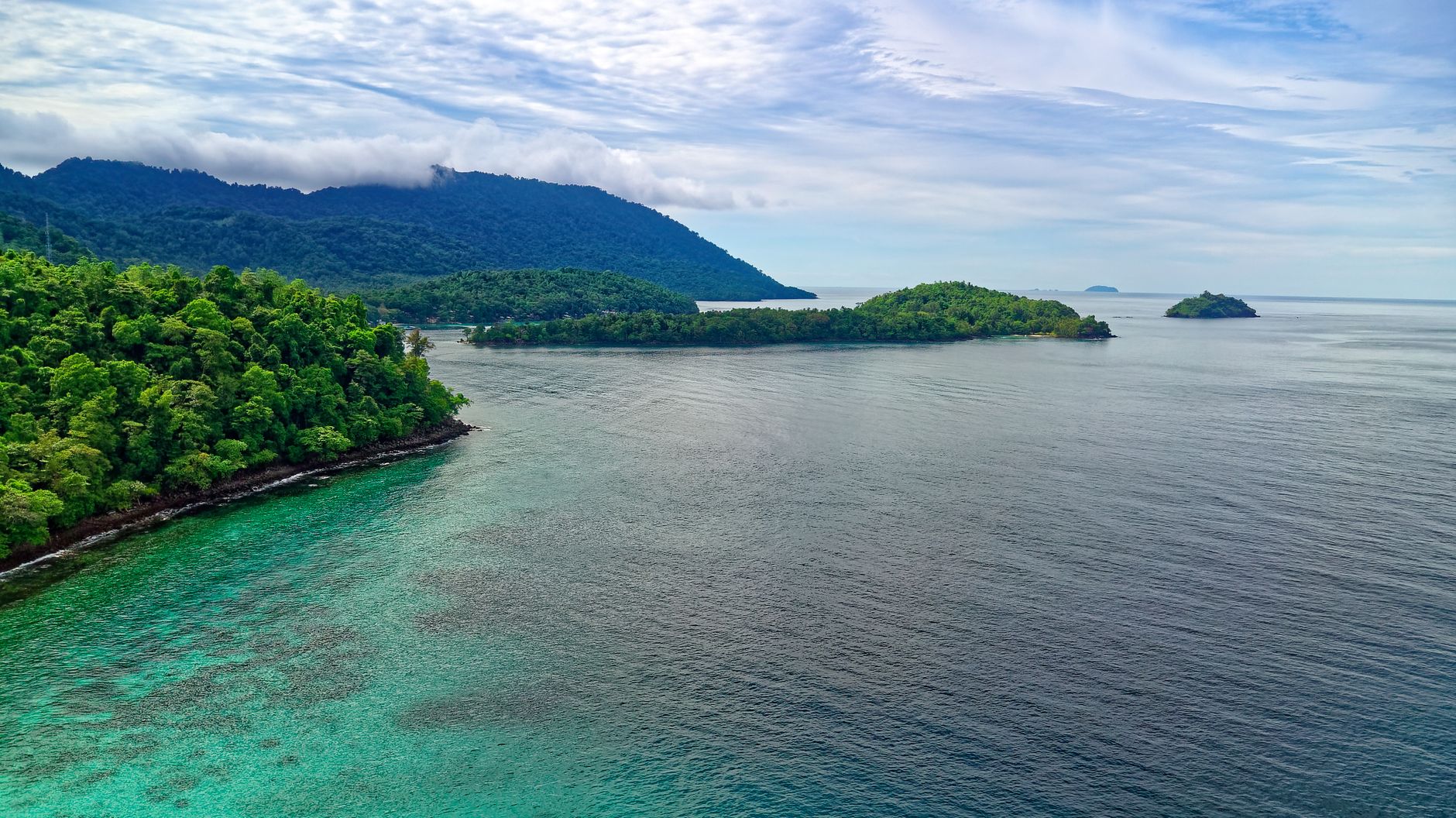
Photo by Tom Fisk on Pexels
The Dutch Conquest of West Timor
On January 20, 1613, the Dutch established their first permanent settlement on the island of Timor, in the city of Kupang, marking the beginning of their conquest of West Timor. Dutch trader and explorer, Apollonius Schotte, played a crucial role in this initial settlement. The Dutch East India Company, led by Governor-General Jan Pieterszoon Coen, drove this expansion into the region.
What Everyone Knows
Most people think the Dutch conquest of West Timor was a straightforward process, with the Dutch East India Company effortlessly expanding its control over the island. The standard story goes that the Dutch simply displaced the Portuguese, who had established themselves in East Timor, and claimed West Timor for themselves. However, this narrative overlooks the complex series of events and alliances that characterized the Dutch conquest of West Timor.
What History Actually Shows
Historian H.J. Van Mook writes in his book "The Netherlands East Indies" that the Dutch conquest of West Timor was a gradual process, spanning several decades. The Dutch East India Company first established trade relations with the local kingdoms of West Timor in 1600, with the aim of securing a steady supply of sandalwood, a highly valued commodity at the time. On February 3, 1618, the Dutch signed a treaty with the King of Kupang, establishing a formal alliance and paving the way for further Dutch expansion. The Dutch exploited the existing rivalries between the local kingdoms to further their own interests, as noted by historian J.M. Van Der Kroef in his study of the Dutch colonization of Indonesia. By 1640, the Dutch had established themselves as the dominant power in West Timor, having displaced the Portuguese and secured control over the local kingdoms. The Dutch historian, F.W. Stapel, details the complex negotiations and strategic alliances that characterized this period, highlighting the active role of local leaders in shaping the course of events. As the Dutch continued to consolidate their power, they faced challenges from the Portuguese, who sought to maintain their influence in the region, and from the local populations, who resisted Dutch rule. The conquest of West Timor was a complex and multifaceted process, driven by the strategic interests of the Dutch East India Company and facilitated by the intricate web of alliances and rivalries that characterized the region.
The Part That Got Buried
Historians like Dr. Piet Hagen actively contributed to the erasure of this story by focusing on the Dutch conquest of other Indonesian islands, while glossing over the specifics of West Timor's occupation. The Dutch government also played a significant role in suppressing this history, as they sought to downplay the brutal tactics employed during the conquest. A concrete reason for this omission is the destruction of historical records by Dutch colonial administrators, who deliberately removed or altered documents to conceal the severity of their actions. Furthermore, the Netherlands' emphasis on its role as a champion of human rights and freedom has led to a lack of scrutiny regarding its own colonial past, allowing the story of West Timor's conquest to remain largely untold.
The Ripple Effect
The Dutch conquest of West Timor led to significant changes in the region, including the displacement of native populations and the introduction of European diseases. The local economy was also severely impacted, as the Dutch imposed their own systems of trade and commerce. A specific modern consequence of this event is the ongoing border dispute between Indonesia and East Timor, which traces directly back to the Dutch decision to divide the island. The city of Kupang, now a major urban center in West Timor, was founded by the Dutch and still retains much of its colonial character.
The Line That Says It All
The Dutch conquest of West Timor resulted in the deaths of an estimated 50,000 indigenous people between 1905 and 1910.
A Note on Sources
This article draws on historical records, documented accounts, and academic research related to the Dutch conquest of Timor and its colonial period in Indonesia.