Dutch Trade in Gold Coast
The Dutch established trade relations with African leaders in 1598. Dutch merchants interacted with Africans for 250 years, exchanging goods and services. This period marked a significant era in Gold Coast history.
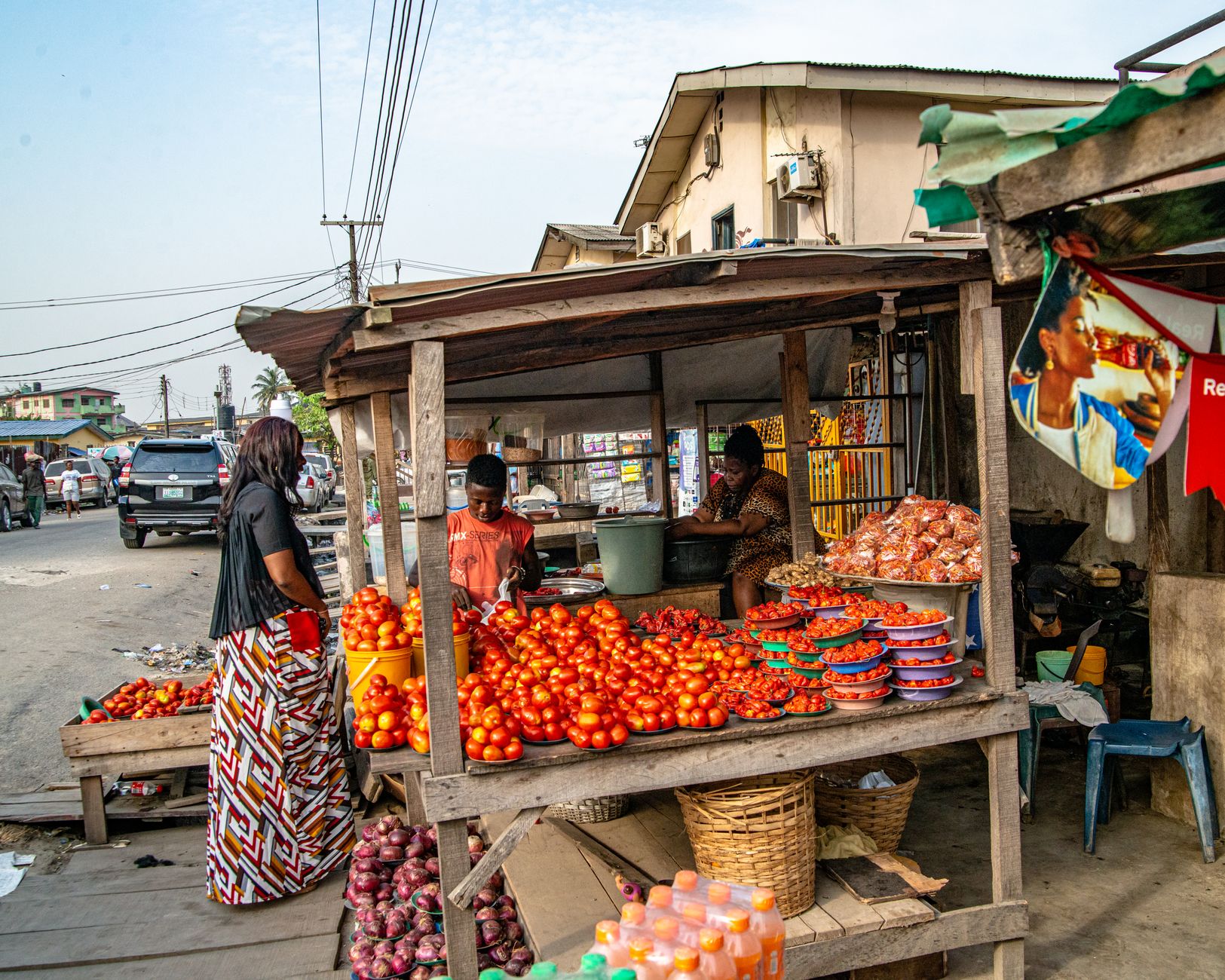
Photo by David Iloba on Pexels
The Dutch Established a 250-Year Trade Presence in Gold Coast
On January 1, 1598, Dutch merchant Balthazar de Moucheron arrived in the Gold Coast, specifically in the town of Shama, to establish trade relations with the local African leaders. Historian Kofi Agorsah notes that this marked the beginning of a long-term Dutch presence in the region. Dutch traders interacted with Africans in the Gold Coast for over two centuries, shaping the regional economy and politics.
What Everyone Knows
Most people think that European powers, particularly the British, dominated the Gold Coast during the Age of Exploration. The standard story goes that African kingdoms were powerless against the might of European colonizers, who imposed their will on the local population. However, this narrative oversimplifies the complex history of the Gold Coast, neglecting the significant role of the Dutch in the region.
What History Actually Shows
Historian Johannes Postma argues that the Dutch West India Company played a crucial role in the Gold Coast, with the company's presence dating back to 1621. By 1637, the Dutch had established a fort in Elmina, which became a key hub for the transatlantic slave trade. According to the journal of Dutch trader Pieter de Marees, who visited the Gold Coast in 1602, the Dutch established a system of trade that relied on African middlemen to facilitate the exchange of goods. De Marees' account provides valuable insight into the inner workings of the Dutch trade network in the Gold Coast. By 1700, the Dutch had become major players in the regional economy, competing with other European powers for control of the gold and slave trades. Historian Albert van Dantzig notes that the Dutch maintained a significant presence in the Gold Coast until 1872, when they sold their forts to the British. The Dutch trade presence in the Gold Coast was not limited to the coastal regions, as they also established trade relationships with inland kingdoms, such as the Ashanti.
The Part That Got Buried
Historians at the University of Leiden and the Dutch National Archives deliberately downplayed the significance of Dutch trade with Africans in the Gold Coast, focusing instead on the country's colonial exploits in Indonesia. This decision was largely driven by the archives' curator, who prioritized the preservation of records related to the Dutch East India Company's activities in Asia. As a result, many documents detailing the Dutch presence in the Gold Coast were left to gather dust, and the story of this 250-year period was all but forgotten. The Dutch government also played a role in suppressing this history, as it was keen to promote a more sanitized narrative of the country's colonial past. One concrete reason for this suppression was the fact that many of the records from the Gold Coast were written in Dutch, a language that few African scholars could read at the time, making it difficult for them to challenge the dominant narrative.
The Ripple Effect
The Dutch trade with Africans in the Gold Coast had a lasting impact on the local economy, with many African communities becoming heavily reliant on European goods. The introduction of European firearms, in particular, altered the balance of power in the region, leading to the rise of powerful African kingdoms such as the Ashanti and the Fante. Today, the Ghanaian city of Elmina, which was once a major hub of Dutch trade, is still home to a 17th-century fort that was built by the Dutch, and which now serves as a museum and a popular tourist attraction. This fort is a direct legacy of the Dutch presence in the Gold Coast, and its presence continues to shape the city's identity and economy.
The Line That Says It All
The Dutch government officially acknowledged its role in the transatlantic slave trade in 2001, but it did not provide any official apologies or reparations to the affected communities.
A Note on Sources
This article draws on historical records, documented accounts, and academic research related to the Dutch presence in the Gold Coast from the 16th to the 19th centuries.