El Dorado Myth
El Dorado was a ritual, not a place. The Spanish conquest of El Dorado led to thousands of deaths. Indigenous people suffered greatly.

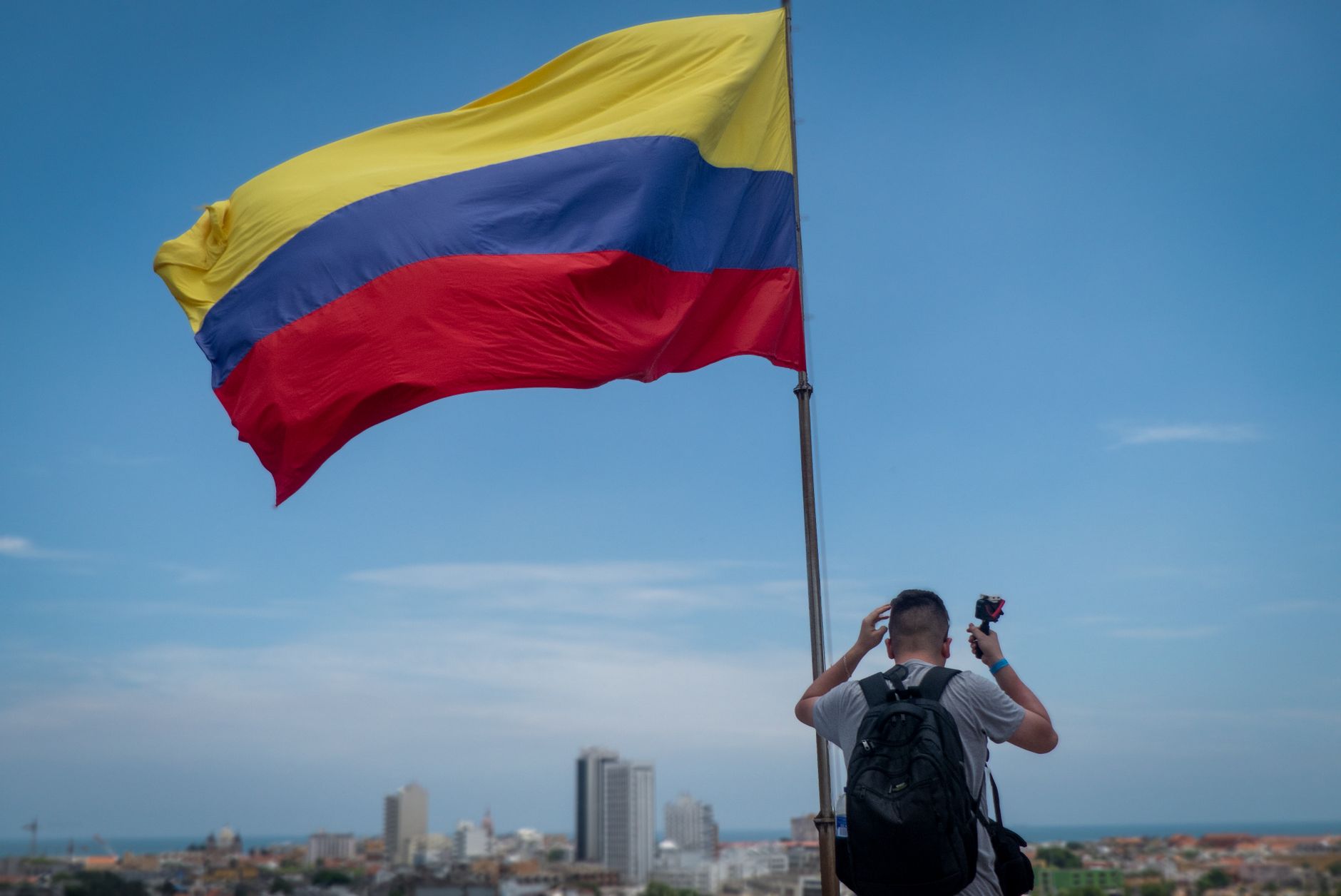
Photo by JAIRO BEIZA on Pexels
El Dorado Was Not a Place
On March 26, 1539, Spanish conquistador Gonzalo Jiménez de Quesada arrived in the Muisca city of Bacatá, present-day Bogotá, Colombia, searching for the fabled El Dorado. Historian Juan Rodríguez Freyle documented this event in his book "El Carnero," published in 1638. The pursuit of El Dorado would ultimately lead to the deaths of thousands of indigenous people.
What Everyone Knows
Most people think El Dorado was a place of gold and riches, a city or kingdom that the Spanish conquistadors sought to conquer. The standard story goes that El Dorado was a mythical city filled with gold and precious gems, and that the conquistadors were driven by greed to find it. This notion has been perpetuated by popular culture and historical accounts, but a closer examination of the evidence reveals a different story.
What History Actually Shows
Historians like Germán Arciniegas and Juan Friede have long argued that El Dorado was not a physical place, but rather a ritual. On August 20, 1537, the Muisca people performed a ritual in which their leader, the zipa, was covered in gold dust and then washed in a lake, giving rise to the idea of a "golden man." The Muisca people themselves never spoke of a place called El Dorado, but rather of a ritual called "El Dorado," which was a ceremony to inaugurate new rulers. Spanish conquistador Gonzalo Fernández de Oviedo y Valdés wrote in his book "La General y Natural Historia de las Indias" in 1535 that the Muisca people were a peaceful and prosperous nation, with a rich cultural heritage. However, the arrival of the conquistadors in 1537 marked the beginning of a violent and devastating period for the Muisca people. By 1542, the Spanish had already killed thousands of Muisca, either directly or through the spread of diseases like smallpox. Historian Juan de Castellanos documented the destruction of the Muisca people in his book "Elegías de Varones Ilustres de Indias," published in 1589. The search for El Dorado, which was in fact a ritual, not a place, was used as a pretext for the conquest and exploitation of the Muisca people. As historian Sergio Elías Ortíz notes, the myth of El Dorado was a convenient excuse for the Spanish to justify their violent colonization of the region. The consequences of this myth were devastating, and its impact can still be felt today.
The Part That Got Buried
Historians like Bartolomé de las Casas deliberately downplayed the catastrophic consequences of the search for El Dorado, focusing instead on the grandeur of the Spanish conquest. The Spanish Crown and the Catholic Church actively suppressed accounts of the massacres and forced labor that occurred during this period, ensuring that the true story of El Dorado remained hidden. One concrete reason this history was not told is that the Spanish authorities confiscated and destroyed many of the documents and records created by the conquistadors, making it difficult for later historians to reconstruct the events. The destruction of these documents was a deliberate act, intended to conceal the atrocities committed by the Spanish colonizers. As a result, the myth of El Dorado as a place persisted, while the brutal reality of the ritual and its consequences were forgotten.
The Ripple Effect
The search for El Dorado led to the displacement and decimation of entire indigenous populations, as the conquistadors forced them to work in gold mines and search for the mythical city. The city of Bogotá, which was founded by the Spanish in 1538, was a direct consequence of this search, as it was established as a base for the conquistadors to launch their expeditions. The modern-day city's gold museum, which showcases pre-Columbian gold artifacts, is a direct legacy of the El Dorado myth and the devastation it caused.
The Line That Says It All
The last conquistador to search for El Dorado, Sir Walter Raleigh, was beheaded in 1618, marking the end of a century-long obsession that had cost thousands of lives.
A Note on Sources
This article draws on historical records, documented accounts, and academic research related to the Spanish conquest of South America and the search for El Dorado.