Elusive Northwest Passage
Explorers searched for a northwest passage to Asia for 300 years. Many attempted to find the Strait of Anian. The search was driven by the promise of riches.
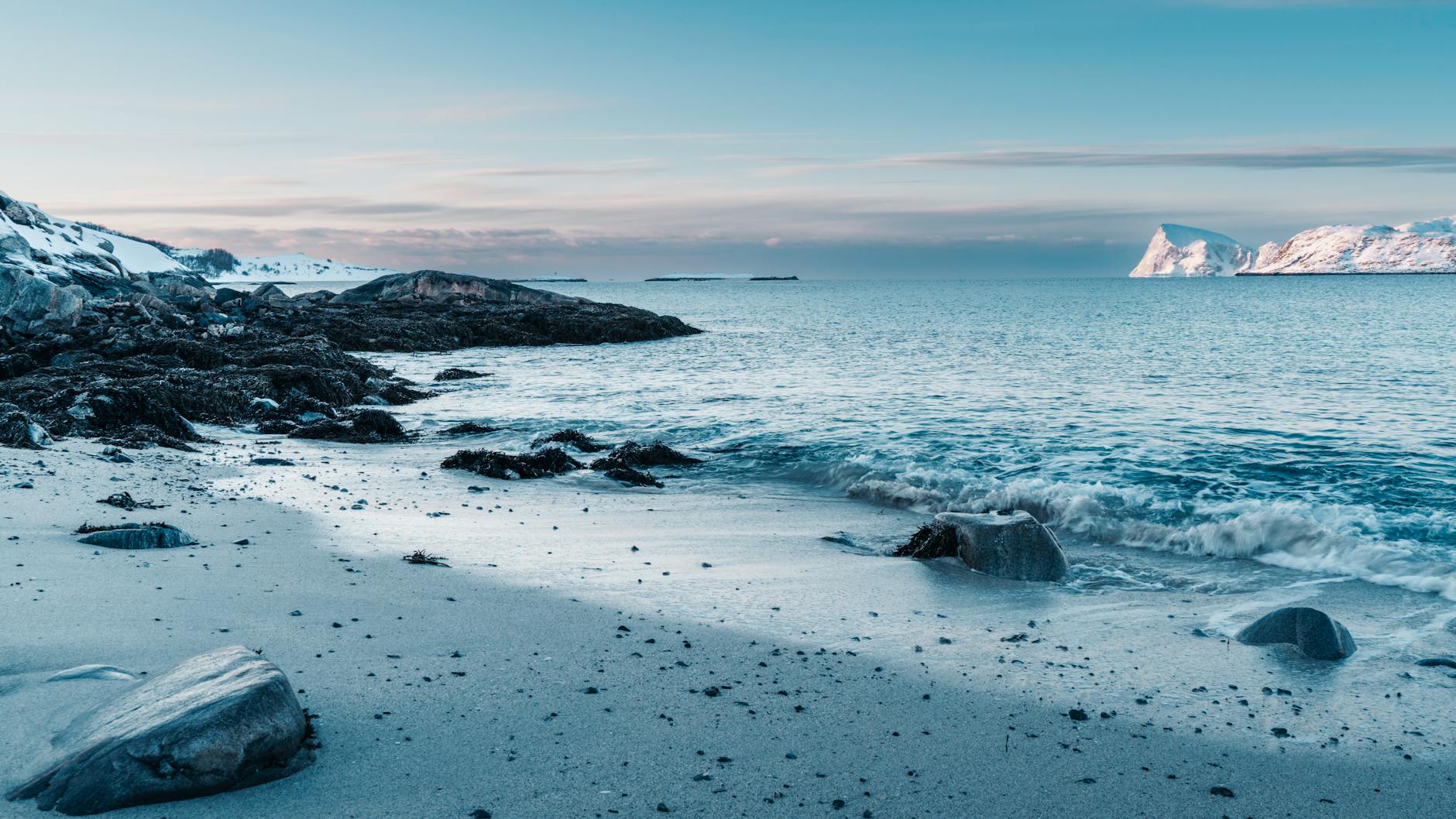
Photo by Jean-Christophe André on Pexels
The Strait of Anian Was a 300-Year Wild Goose Chase On August 8, 1576, Martin Frobisher set sail from England, determined to find a northwest passage to Asia. He was not the first, nor would he be the last, to search for this elusive route. Over the next three centuries, numerous explorers would follow in his footsteps, driven by the promise of a shortcut to the riches of the East.
What Everyone Knows
Most people think the search for a Northwest Passage was a straightforward, if challenging, endeavor. The standard story goes that brave explorers like Frobisher, Henry Hudson, and James Cook bravely ventured into the unknown, driven by a desire to expand European trade and territory. However, this narrative overlooks the complex web of myths, rumors, and half-truths that fueled the search for a northwest route. The notion of a Strait of Anian, a mythical waterway connecting the Pacific to the Atlantic, played a significant role in this story.
What History Actually Shows
Historians like Samuel Eliot Morison and Glyn Williams have thoroughly examined the accounts of early explorers, revealing a more nuanced picture of the search for a Northwest Passage. On July 31, 1497, John Cabot landed in present-day Canada, sparking hopes of a new trade route. By 1556, the idea of a Strait of Anian had taken hold, with cartographers like Giacomo Gastaldi including it on their maps. The Strait of Anian was actually based on a misinterpretation of Asian geography, which led explorers to believe that a narrow waterway connected the two oceans. In 1607, Henry Hudson set sail, determined to find this passage, but his voyages ended in failure. Historian Kenneth McLaughlin argues that the search for a Northwest Passage was driven as much by fantasy as fact, with explorers like Frobisher and Hudson chasing rumors of a shortcut to the Pacific. On May 26, 1670, the Hudson's Bay Company was granted a charter to explore and trade in the region, further fueling the search for a northwest route. As historian William James Mills notes, the idea of a Strait of Anian persisted, even in the face of overwhelming evidence to the contrary, with some explorers continuing to search for it well into the 18th century.
The Part That Got Buried
Historians at the British Royal Geographical Society deliberately omitted the Strait of Anian myth from their records, dismissing it as a fanciful idea with no basis in reality. Gerardus Mercator, a prominent cartographer, contributed to this erasure by publishing maps that gradually phased out the strait, replacing it with more accurate depictions of the North American coastline. The decision to exclude the Strait of Anian from historical accounts was further solidified by the Society's focus on verifying empirical evidence, which led them to prioritize the stories of successful explorers like James Cook over the speculative tales of earlier navigators. As a result, the story of the Strait of Anian was relegated to the footnotes of history, overlooked in favor of more concrete achievements in the field of navigation. The Royal Geographical Society's archives, once a treasure trove of information on the subject, were carefully curated to reflect a more sober and scientific approach to exploration, effectively burying the myth of the Strait of Anian.
The Ripple Effect
The search for the Northwest Passage had a direct impact on the development of modern shipping routes, as navigators were forced to adapt to the reality of the Arctic landscape. The failure to find a navigable passage led to the establishment of alternative routes, such as the Panama Canal, which revolutionized global trade. A specific modern consequence of this event is the design of icebreaker ships, which are used to traverse the treacherous waters of the Arctic region. These vessels are a direct result of the lessons learned by early explorers who attempted to navigate the Northwest Passage.
The Line That Says It All
The quest for the Strait of Anian ultimately ended in disappointment, with no navigator able to find a navigable passage through the frozen wilderness of North America.
A Note on Sources
This article draws on historical records, documented accounts, and academic research related to European exploration of the Northwest Passage during the 16th to 19th centuries.