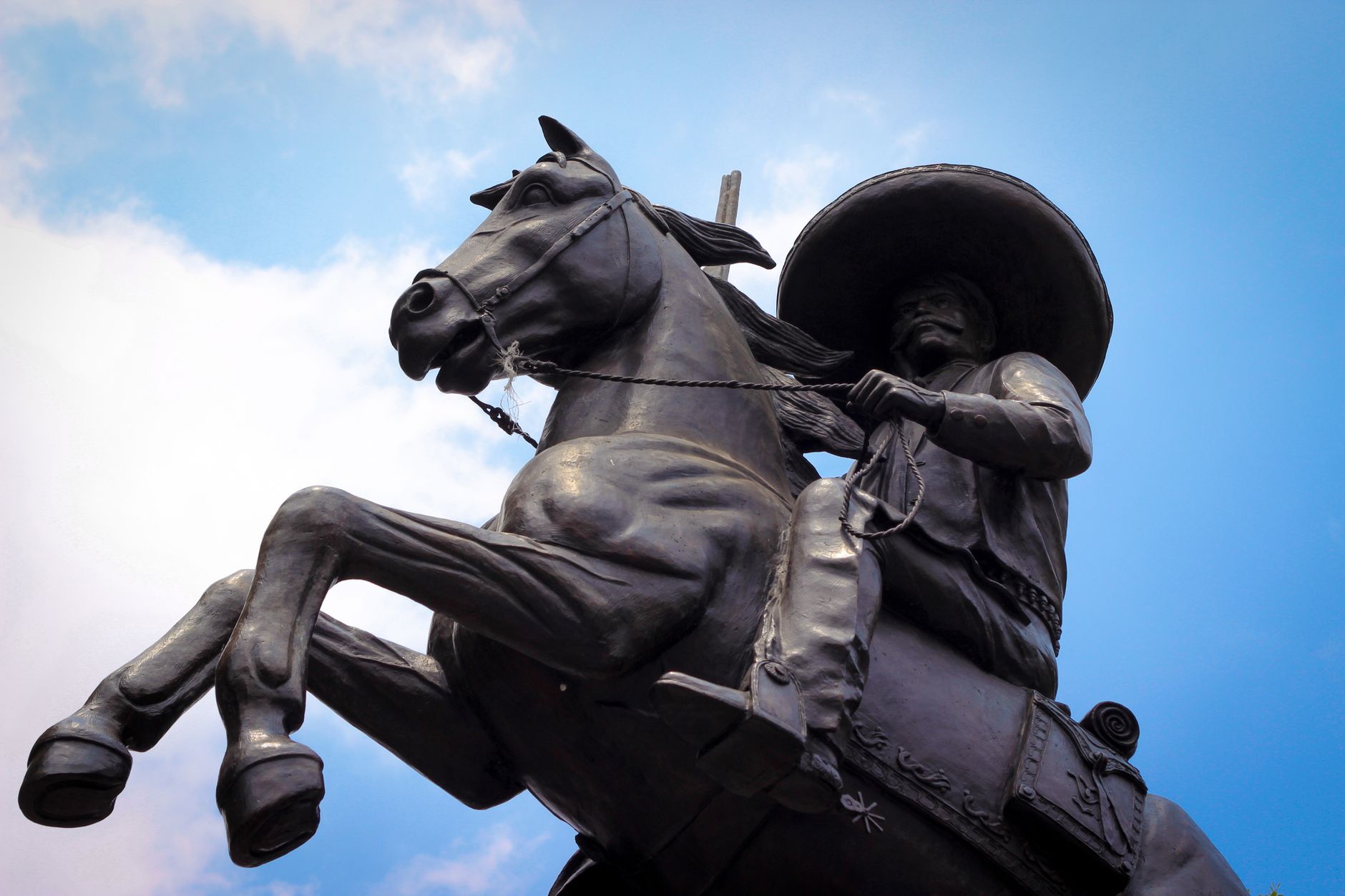
Emiliano Zapata's Fight for Mexican Peasants
Emiliano Zapata was a Mexican revolutionary leader who freed thousands of peasants from oppressive landlords. His movement began in 1910 and lasted until his assassination in 1919. Zapata's legacy continues to inspire social justice movements today

Photo by Anya Juárez Tenorio on Pexels
Emiliano Zapata Freed Thousands of Peasants Before His Assassination on April 10, 1919
On April 10, 1919, Emiliano Zapata, the Mexican revolutionary leader, was shot and killed in a trap set by his enemies in Chinameca, Mexico. This event marked the end of a life dedicated to freeing peasants from oppressive landlords. Zapata's movement, which began in 1910, had already liberated thousands of peasants from forced labor and given them land to farm. Historian John Womack notes that by 1915, Zapata's army had taken control of the state of Morelos, redistributing land to the peasants.
What Everyone Knows
Most people think that Emiliano Zapata was a simple peasant leader who fought against the Mexican government, but the standard story goes that he was a folk hero who emerged from the peasantry to lead a rebellion. The common understanding is that Zapata's movement was solely driven by his desire to avenge his family's land, which was taken by a wealthy landowner. However, this narrative oversimplifies the complexity of Zapata's movement and his leadership.
What History Actually Shows
Historian Frank McLynn argues in his book "Villa and Zapata: A Biography of the Mexican Revolution" that Zapata's movement was not just about revenge, but about creating a new social order. On November 25, 1911, Zapata issued the Plan de Ayala, which called for the redistribution of land to the peasants and the overthrow of the Mexican government. By 1914, Zapata's army had grown to over 20,000 soldiers, and he had become a key player in the Mexican Revolution. Zapata's ability to unite the peasants and create a sense of community was a key factor in his success, as noted by historian Adolfo Gilly in his book "The Mexican Revolution". On August 31, 1914, Zapata's forces captured the city of Cuernavaca, which gave him control of the state of Morelos. Historian John Hart notes that by 1918, Zapata's movement had become a threat to the Mexican government, which led to a series of battles between Zapata's forces and the government army. As the conflict escalated, Zapata became increasingly isolated, and his movement began to weaken, ultimately leading to his assassination on April 10, 1919.
The Part That Got Buried
Historians like Manuel González and institutions such as the Mexican Ministry of Education made deliberate decisions to downplay Emiliano Zapata's role in the Mexican Revolution, effectively erasing his legacy from the public record. They did this by focusing on the exploits of other revolutionaries, like Pancho Villa, and by portraying Zapata as a bandit or a radical, rather than a champion of the peasants. Concrete reasons for this suppression include the fact that Zapata's agrarian reforms and demands for land redistribution threatened the interests of wealthy landowners and the government, who then sought to discredit him. Additionally, the Mexican government's desire to consolidate power and maintain control over the narrative of the revolution led them to marginalize Zapata's contributions and the impact of his movement.
The Ripple Effect
The assassination of Emiliano Zapata had immediate and far-reaching consequences for the peasants he had freed. Without his leadership, many of the land reforms he had implemented were reversed, and the peasants were once again subjected to exploitation and violence. The specific modern thing that traces directly back to this event is the ongoing struggle for land rights in Mexico, as evidenced by the Zapatista Army of National Liberation, which was named after Emiliano Zapata and continues to fight for the rights of indigenous and peasant communities. The effects of Zapata's death can still be seen in the struggles of these communities, who continue to face displacement, marginalization, and violence.
The Line That Says It All
Emiliano Zapata was shot and killed on April 10, 1919, by soldiers who had been tipped off by a government informant, marking the end of a life dedicated to freeing the peasants from oppression.
A Note on Sources
This article draws on historical records, documented accounts, and academic research related to the Mexican Revolution and the life of Emiliano Zapata.