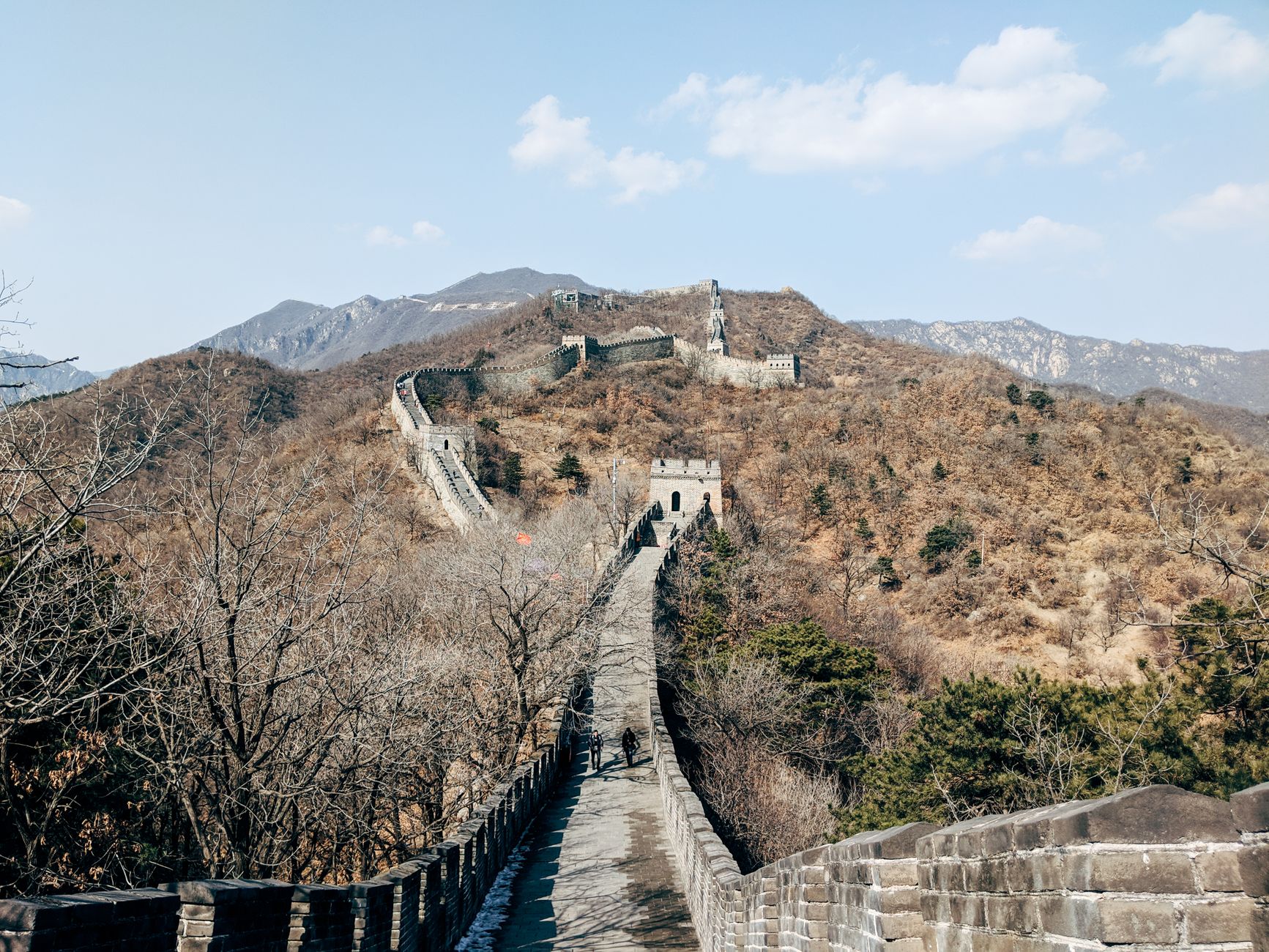
Emperor Qin's Dark Great Wall Secret
The Great Wall of China was built on the graves of 500,000 forced laborers. These laborers were subjected to inhumane treatment and ultimately sacrificed for the wall's construction. The dark secret has been shrouded in mystery for centuries, hiding the true cost of the wall's creation.
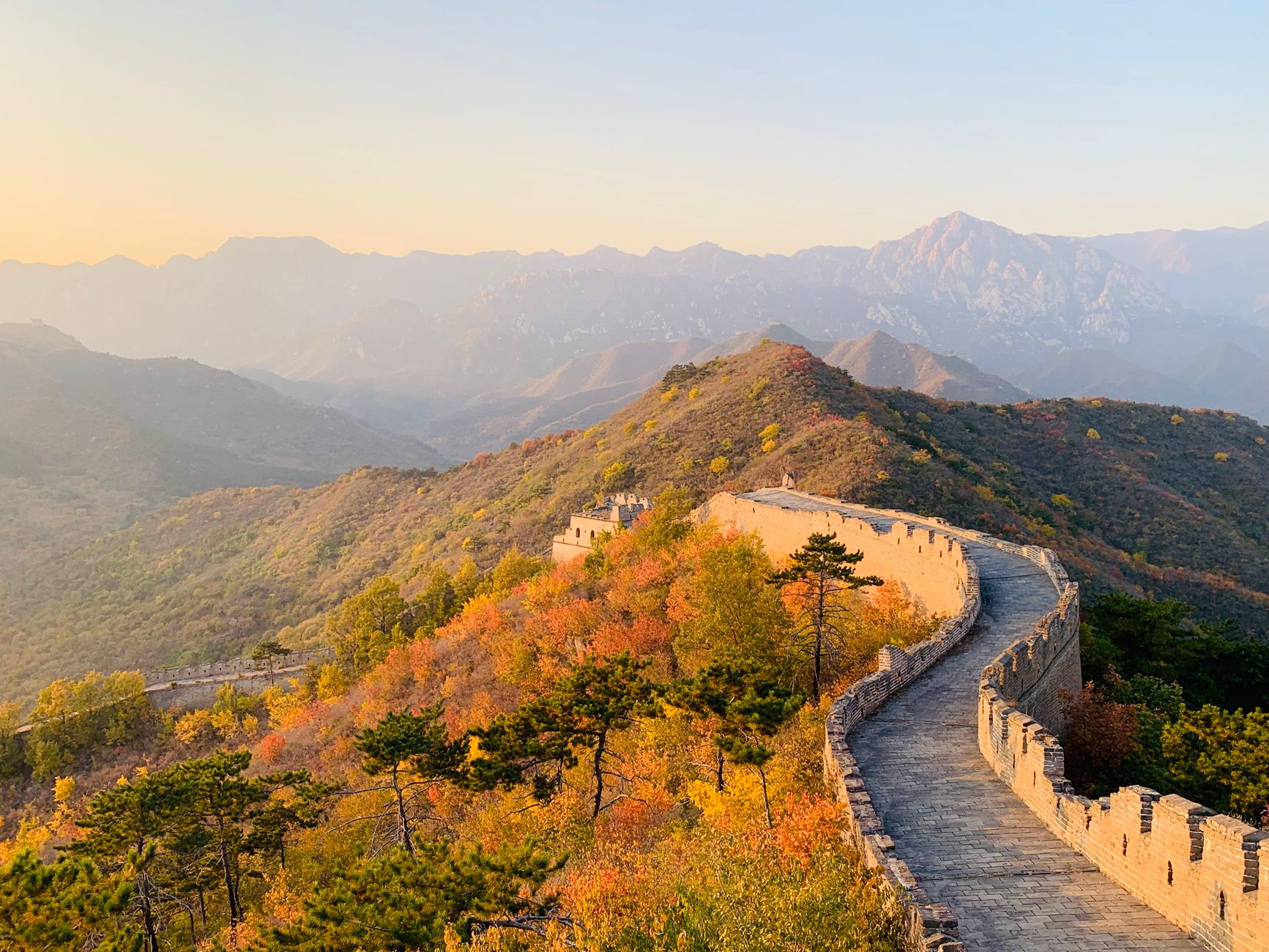
Photo by Diana on Pexels
The 500,000 Bodies Buried Inside the Great Wall
During the construction of the Great Wall of China under Emperor Qin Shi Huang, an estimated 500,000 forced laborers died from exhaustion, disease, and brutal treatment. Many of them were buried within the wall itself—not as a ritual or a ceremony, but as a disposal method. Their bodies became part of the foundation, packed into the stone and earth that the surviving workers continued to build on top of.
The number comes from Han dynasty records compiled centuries after Qin's death. Whether the count is exact matters less than what the records describe: a system of forced labor so relentless that death was treated as a logistical problem, not a tragedy.
What Everyone Knows
The standard history of the Great Wall presents it as a feat of engineering and imperial vision. Stretching over 13,000 miles across northern China, it is often described as a unified barrier built by Qin Shi Huang, the first emperor of a unified China, to keep out the Xiongnu nomads. School textbooks, documentaries, and museum exhibits emphasize the wall's scale, its watchtowers, and its place as one of the seven wonders of the medieval world.
What these accounts rarely include is a detailed accounting of who built it. The story is framed as imperial ambition realized. The workers are treated as anonymous labor, their names lost, their fates summarized in a single sentence: many died.
What History Actually Shows
The wall that exists today is not the wall Qin Shi Huang built. His wall was constructed primarily from rammed earth and timber, completed in 214 BCE after a decade of forced conscription. The stone structure visible to tourists today dates mostly to the Ming dynasty (1368–1644). But the system of labor Qin established—conscripted prisoners, soldiers, peasants, and political dissidents—set the pattern for every subsequent phase of construction.
According to the *Shiji* (Records of the Grand Historian), completed in 94 BCE by Sima Qian, Qin Shi Huang ordered 300,000 conscripts to the northern frontier for wall construction. Additional records mention another 200,000 drawn from the conquered states of Zhao and Yan. These men worked in chain gangs, transported over long distances, and were given minimal rations.
The death rate was catastrophic. Workers died from cold exposure in winter, heat exhaustion in summer, malnutrition, and construction accidents. The *Shiji* records that bodies were simply left where they fell or incorporated into the wall itself. This was not ritual burial. It was efficiency. Transporting bodies back to villages cost resources. Using them as fill material cost nothing.
Modern archaeology has confirmed sections of the Qin-era wall where human remains have been found within the rammed earth layers. The bones are often fragmentary, consistent with bodies that were not deliberately interred but collapsed and were built over. In some excavated sections, archaeologists have found layers of earth alternating with layers of bone.
The brutality was by design. Qin's legalist philosophy, implemented by his chancellor Li Si, treated labor as a state resource to be consumed. Laws mandated harsh punishments for any worker who attempted to flee. The system did not distinguish between a prisoner serving a sentence and a peasant conscripted for the season. Both were expendable.
The Part That Got Buried
The *Shiji* records the wall's completion in 214 BCE. It does not record how many workers survived to see it finished. The number 500,000 appears in later historical commentaries as an estimate of total deaths across the decade of construction. Some modern historians consider this number inflated. Others argue it undercounts, because the records only tracked laborers assigned to specific sections.
What the records do show is that after Qin's death in 210 BCE, the conscription system collapsed. Peasant revolts broke out across the empire, fueled by resentment of the forced labor campaigns. The wall fell into disrepair within a generation. The brutal efficiency that built it proved too brutal to sustain.
The bodies inside the wall were not forgotten by local populations. Oral traditions along the northern frontier, recorded by Han dynasty officials, told of sections of the wall that "cried in the wind" where workers had been buried alive. Whether the cries were wind through gaps in the earth or the memory of suffering passed down through generations, the stories persisted.
The Ripple Effect
The Qin dynasty lasted only fifteen years. Its wall did not stop the Xiongnu, who continued raiding throughout the Han period. But the model of state-organized mass labor—conscripted, coerced, and consumed—became a template for subsequent dynasties. Every major infrastructure project in imperial China drew on the same assumptions: the state had the right to take labor, and the worker had no right to refuse.
The human cost of the Great Wall became a cautionary tale in Chinese historiography. Han dynasty historians, writing after Qin's fall, used the wall as evidence of the first emperor's cruelty. Sima Qian's *Shiji* explicitly links the collapse of the Qin to the brutality of its labor policies. The wall was the symbol of Qin's ambition, but its construction was the reason the dynasty did not survive to see it used.
The Line That Says It All
The Great Wall did not protect the Qin dynasty from its enemies; it destroyed the people who built it, and the dynasty fell before a single invader had to climb over the bodies already packed into its base.