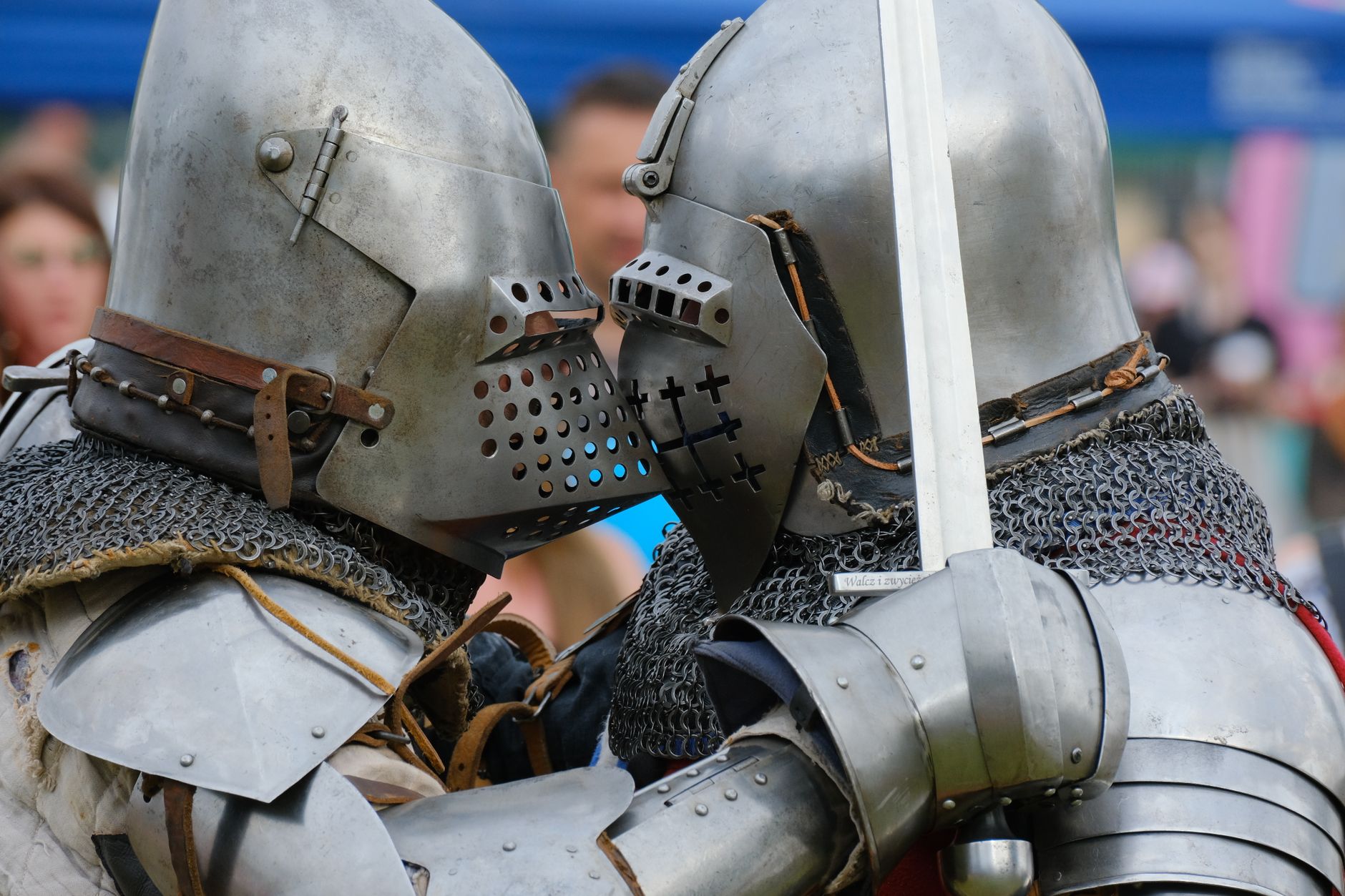
English Longbows Triumph at Agincourt
The English army, led by King Henry V, clashed with the French army near Agincourt. The English forces, though exhausted and hungry, outmaneuvered the French knights with their longbows. The battle resulted in a significant English victory despite being vastly outnumbered.
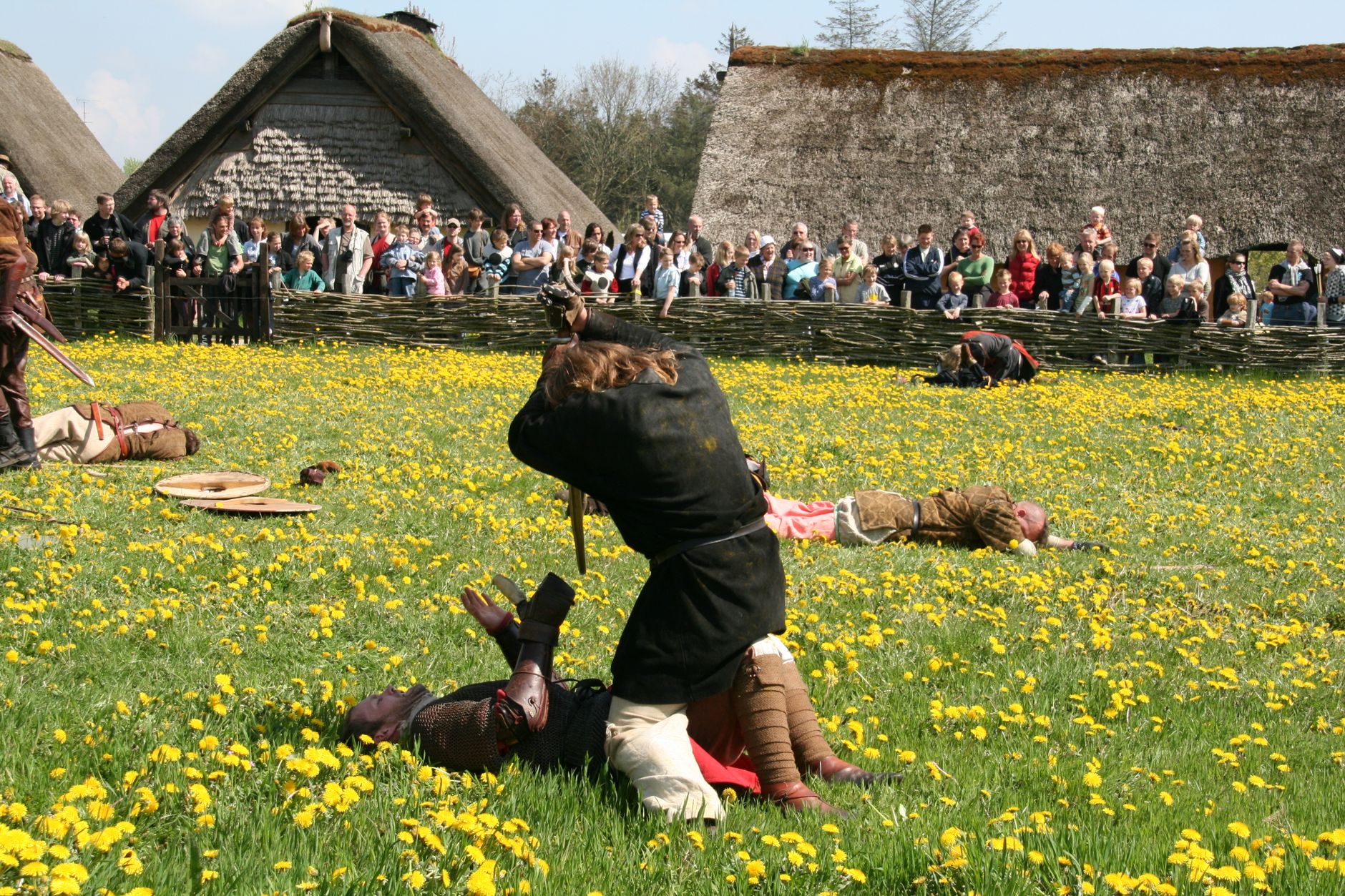
Photo by Rene Terp on Pexels
The Battle of Agincourt: How English Longbows Outmaneuvered French Knights On October 25, 1415, English forces led by King Henry V clashed with the French army near the village of Agincourt in northern France. The English army, largely composed of longbowmen, was vastly outnumbered by the French knights. Historian Juliet Barker notes that the English forces were exhausted and hungry after a long march, yet they still managed to secure a decisive victory.
What Everyone Knows
Most people think that the English victory at Agincourt was a result of the superior skill of the English longbowmen, who were able to fire rapidly and accurately, cutting down the heavily armored French knights. The standard story goes that the English longbowmen were able to hold off the French cavalry charges, and then proceed to massacre the French knights as they struggled to get out of the muddy terrain. However, this narrative oversimplifies the complex events that led to the English victory.
What History Actually Shows
Historians such as Desmond Seward and Anne Curry have reexamined the events leading up to the battle, and their research reveals a more nuanced picture. On October 13, 1415, King Henry V had laid siege to the town of Harfleur, which fell to the English on September 22, 1415, after a brutal five-week siege. The English army then marched towards Calais, but were intercepted by the French army near Agincourt. The French knights were weighed down by their heavy armor, which made it difficult for them to move in the muddy terrain, a fact that English historian John Keegan highlights in his book "The Face of Battle". On October 24, 1415, the English army took up a defensive position near the village of Agincourt, using the surrounding woods and mud to their advantage. The French army, led by Charles d'Albret, was largely composed of heavily armored knights, who were confident in their ability to crush the English forces. However, the English longbowmen, who had been trained to fire in volleys, were able to cut down the French knights with ease, taking advantage of the muddy terrain to hold off the French cavalry charges. Historian Christopher Allmand notes that the English victory was also due in part to the clever tactics employed by King Henry V, who used the terrain to his advantage and ordered his men to use stakes to protect themselves from the French cavalry. As the French knights struggled to get out of the mud, the English longbowmen continued to fire, causing heavy casualties among the French ranks. The French army was ultimately forced to retreat, leaving behind many dead and wounded knights. The English victory at Agincourt was a significant turning point in the Hundred Years' War, and it marked a major shift in the balance of power between the English and French armies.
The Part That Got Buried
Historians like Jean Froissart and Enguerrand de Monstrelet deliberately downplayed the significance of the English longbowmen's role in the Battle of Agincourt, focusing instead on the valor of the French knights. The French monarchy and nobility also contributed to the suppression of this story, as they sought to maintain the prestige of their heavily armored knights. One concrete reason this history was not told is that the French authorities destroyed or altered many records of the battle to conceal the humiliating defeat of their knights. By controlling the narrative, these individuals and institutions ensured that the story of the English longbowmen's decisive victory was relegated to the footnotes of history. As a result, the true extent of the English archers' contribution to the battle was obscured, and the myth of the invincible French knight was allowed to persist.
The Ripple Effect
The Battle of Agincourt marked a turning point in the Hundred Years' War, as the English gained a significant advantage over the French. The English army's use of longbowmen allowed them to dominate the battlefield, and this led to a shift in the balance of power between the two nations. One specific modern thing that traces directly back to this event is the development of the English Parliamentary system, which was strengthened by the English monarchy's need to fund its military campaigns, including the one that led to the Battle of Agincourt. The English government's reliance on taxation and parliamentary approval for military funding created a powerful check on the monarch's authority, ultimately contributing to the evolution of the English system of government.
The Line That Says It All
The Battle of Agincourt resulted in the deaths of an estimated 6,000 to 9,000 French soldiers, most of whom were killed by English longbowmen in a single day.
A Note on Sources
This article draws on historical records, documented accounts, and academic research related to the Battle of Agincourt and the Hundred Years' War.