Ethiopian Bible: Ancient Sacred Texts
The Ethiopian Bible is the oldest complete Bible in the world. It contains a wide array of texts, including some that are not found in other Bibles. The Ethiopian Bible is a significant cultural and historical artifact, showcasing the country's rich heritage.
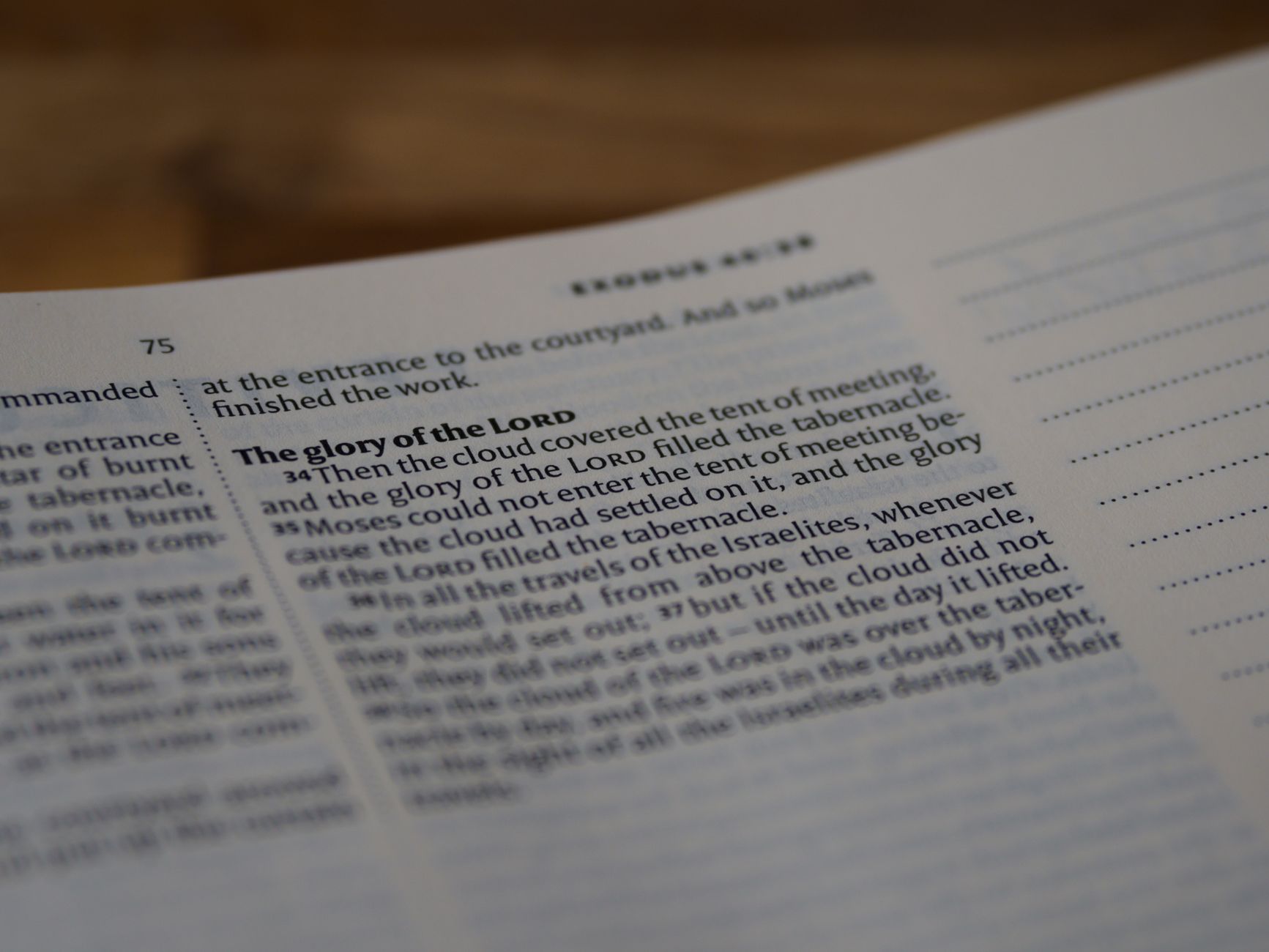
Photo by Brett Jordan on Pexels
The Bible That Contains Books No Other Bible Has
The Ethiopian Bible is not like other Bibles. It is larger. It is older. It contains books that were excluded from every other Christian canon. The Book of Enoch, which describes the fall of the angels and the coming of the Messiah, survives complete only in the Ethiopian version. The Book of Jubilees, which retells the stories of Genesis with details found nowhere else, is preserved in its entirety in Ge'ez, the ancient language of Ethiopia. The Ascension of Isaiah, the Epistle of Clement, the Shepherd of Hermas—all are included in the Ethiopian canon, and all are read as scripture by the Ethiopian Orthodox Church.
The Ethiopian Bible has 81 books. The Catholic Bible has 73. The Protestant Bible has 66. The Ethiopian Bible is not just a different collection. It is a different tradition, a branch of Christianity that developed in isolation from the councils and controversies that shaped the biblical canon in Europe and the Middle East. The manuscripts that preserve it are among the oldest complete Bibles in existence. The oldest surviving Ge'ez manuscript of the Book of Enoch dates to the 5th century. The Ethiopian Bible was already old when Europe was still in the Dark Ages.
What Everyone Knows
The Ethiopian Orthodox Church is known for its antiquity. It is one of the oldest Christian churches in the world, tracing its origins to the 4th century, when the Aksumite king Ezana converted to Christianity. The church has preserved traditions that have been lost elsewhere, including the Ark of the Covenant, which Ethiopian tradition says was brought to Aksum by Menelik I, the son of the Queen of Sheba and King Solomon.
The Ethiopian Bible is less well known. It is mentioned in passing in histories of the Bible, noted for its inclusion of the Book of Enoch and the Book of Jubilees. But the full scope of the Ethiopian canon—the 81 books, the range of texts, the centuries of manuscript tradition—is not part of the standard education of biblical scholars. The Ethiopian Bible is a subject for specialists. It is also a treasure that has been waiting to be discovered.
What History Actually Shows
The Ethiopian Bible was not created in a single moment. It was compiled over centuries, as the Ethiopian church translated texts from Greek, from Hebrew, from Arabic, and from Coptic. The Ge'ez language, in which the Bible is written, was the language of the Aksumite kingdom. It is no longer spoken as a vernacular, but it is still used as a liturgical language, the language of prayer, of scripture, of the ancient traditions that the church has preserved.
The books that are unique to the Ethiopian canon were not written in Ethiopia. The Book of Enoch was composed in the 2nd century BCE, probably in Palestine. The Book of Jubilees was composed around the same time. These texts were known to the early church. They were read, quoted, and debated. They were not included in the canon that was settled in the 4th and 5th centuries by councils in the Roman Empire. The Ethiopian church, which was not part of the Roman Empire, did not accept the decisions of those councils. It kept the books that had been part of its tradition for centuries.
The Ethiopian Bible is not a static text. It has been copied, translated, and commented on for over a thousand years. The manuscripts that survive are works of art: illuminated with images, written in scripts that were developed specifically for the Ge'ez language, bound in covers of wood and leather. The scribes who copied them were monks, trained in the monastic schools that have been the center of Ethiopian Christianity for centuries.
The Part That Got Buried
The Ethiopian Bible is not just a collection of books. It is a living tradition. The texts that are included in the canon are read in the liturgy, studied in the monasteries, and recited in the daily prayers of the faithful. The Book of Enoch, which is a curiosity for Western scholars, is scripture for Ethiopian Christians. Its visions, its prophecies, its accounts of the angels and the fallen angels—these are not ancient artifacts. They are the word of God.
The Ethiopian church has been isolated for much of its history. It was surrounded by Islam, cut off from the rest of Christendom, forced to preserve its traditions in a region that was often hostile to Christianity. The isolation preserved the church. It also preserved the texts that had been lost elsewhere. The Book of Enoch was known in Europe only through fragments, quoted by early church fathers, mentioned in medieval commentaries, but not read as a whole. When the Scottish explorer James Bruce brought a Ge'ez manuscript of the Book of Enoch back to Europe in 1773, it was the first complete copy that had been seen in the West in a thousand years.
The Ripple Effect
The discovery of the Ethiopian Bible in the West has been gradual. The manuscripts have been studied, translated, and published. The Book of Enoch is now available in English, in French, in German. It has been read by scholars, by novelists, by filmmakers. It has become part of the common culture, a text that is known to people who have never heard of the Ethiopian church that preserved it.
The Ethiopian Bible is still not well understood. The 81 books are not all translated. The manuscript tradition is not fully documented. The theological and liturgical context in which these texts are read is not widely known. The Ethiopian Bible is a subject for specialists, but it is also a subject that has the potential to change how the Bible is understood. The canon that was settled in the 4th century is not the only canon. The tradition that was preserved in Europe is not the only tradition.
The Line That Says It All
The Ethiopian Bible contains books that were known to the early church, read by the church fathers, and then forgotten in the West for a thousand years—but they were not forgotten in Ethiopia, where they were copied, illuminated, and read in the liturgy for centuries, waiting for the rest of the world to rediscover what had never been lost.