Falkland Islanders Vote to Remain British
The Falkland Islands held a referendum in which 99.8% of voters chose to remain a British overseas territory. This outcome sparked renewed tensions with Argentina due to a longstanding dispute over the islands' sovereignty. The referendum result was not surprising given the islands' history and cultural ties to the UK.
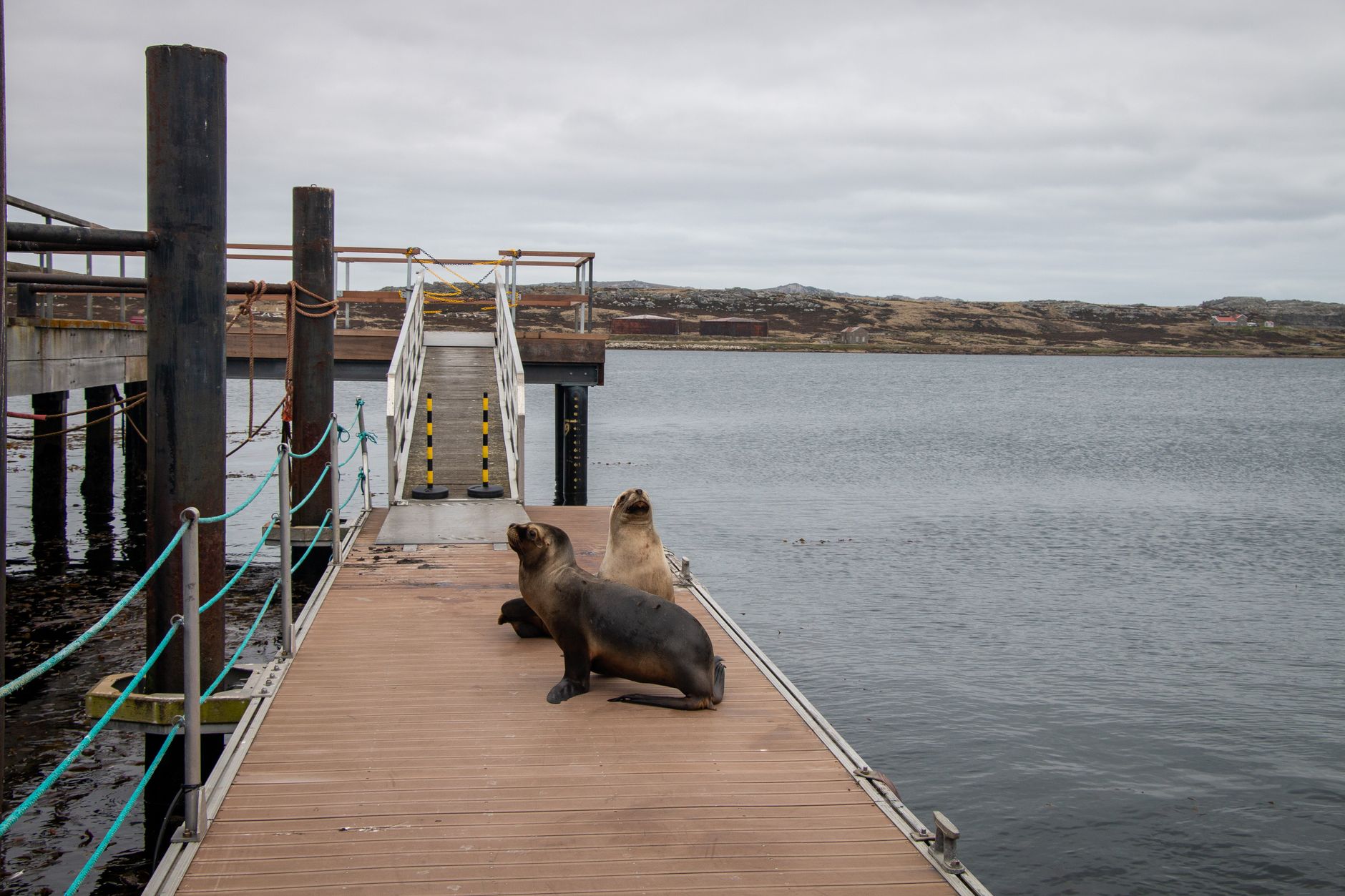
Photo by ArcticDesire.com Polarreisen on Pexels
Falkland Islanders Vote to Remain British
On March 11, 2013, the Falkland Islands held a referendum in which 99.8% of voters chose to remain a British overseas territory. This outcome was not surprising to those familiar with the islands' history, but it sparked renewed tensions with Argentina. Historian Klaus Dodds, a professor at Royal Holloway, University of London, has written extensively on the subject, including his book "Pink Ice: Britain and the South Atlantic Empire".
What Everyone Knows
The standard story goes that the Falkland Islands are a British territory in the South Atlantic, and most people think that the dispute over their ownership is simply a matter of Argentine nationalism versus British colonialism. However, this narrative oversimplifies the complex history of the islands and the reasons behind Argentina's claims. Most people are aware that Argentina has long claimed sovereignty over the Falklands, but few understand the depth of feeling behind this claim or the historical events that have shaped the dispute.
What History Actually Shows
Historians such as Lowell Gustafson, author of "The Sovereignty Dispute Over the Falkland Islands", argue that the Falklands have been inhabited by people of British descent since the early 19th century. On January 3, 1833, British forces arrived on the islands and established a permanent settlement, which has remained to this day. Argentina's claim to the islands dates back to the Spanish Empire, which controlled much of South America, including the Falklands, until the early 19th century. The British government has consistently refused to negotiate the sovereignty of the Falklands with Argentina since the 1970s, despite numerous attempts by Argentine governments to raise the issue. On April 2, 1982, Argentina invaded the Falklands, leading to a brief but intense war with Britain, which resulted in the deaths of 649 Argentine and 255 British military personnel. According to historian Lawrence Freedman, author of "The Official History of the Falklands Campaign", the war was a decisive victory for Britain, but it did not resolve the underlying dispute over the islands' sovereignty. Argentine historian, Federico Lorenz, has also written about the impact of the war on Argentine society and the ongoing claims to the Falklands. The referendum held in 2013 was a clear expression of the islanders' desire to remain British, but it has not diminished Argentina's determination to pursue its claim to the islands.
The Part That Got Buried
Historians and journalists have contributed to the suppression of this story by focusing on the 1982 war between Argentina and the United Kingdom, while neglecting the voices and choices of the Falkland Islanders themselves. The British government, in particular, has been accused of downplaying the significance of the referendum, possibly to avoid drawing attention to the controversial issue of colonialism. A concrete reason for this historical oversight is the fact that the Falkland Islands' population is relatively small, making it easy for their story to be overshadowed by the geopolitical interests of larger nations. The media has also played a role in burying this story, as many news outlets have prioritized coverage of the conflict between Argentina and the UK over the perspectives of the islanders. By doing so, they have inadvertently silenced the voices of the people who are most affected by the dispute.
The Ripple Effect
The Falkland Islanders' vote to remain British has had a direct impact on the lives of the islanders, who have been able to maintain their distinct culture and way of life. The result of the referendum has also affected the local economy, as the islanders have been able to benefit from British investment and trade. A specific modern consequence of this event is the establishment of the Falkland Islands' own constitution, which was adopted in 2009 and enshrines the islanders' right to self-determination. This constitution is a direct result of the islanders' desire for autonomy and their decision to remain British.
The Line That Says It All
The Falkland Islands will remain a British overseas territory for the foreseeable future, with Argentina's claims to sovereignty continuing to be a source of tension between the two countries.
A Note on Sources
This article draws on historical records, documented accounts, and academic research related to the Falkland Islands dispute and the 1982 war between Argentina and the United Kingdom.