Flor de la Mar Sinks with 60 Tons Gold
The Flor de la Mar sank off Malacca's coast in 1511, taking 60 tons of gold with it. This maritime disaster occurred under Admiral Afonso de Albuquerque's command, leading a fleet in the Indian Ocean. The loss of the ship was a significant blow to the Portuguese, with treasure hunters still searching for it today

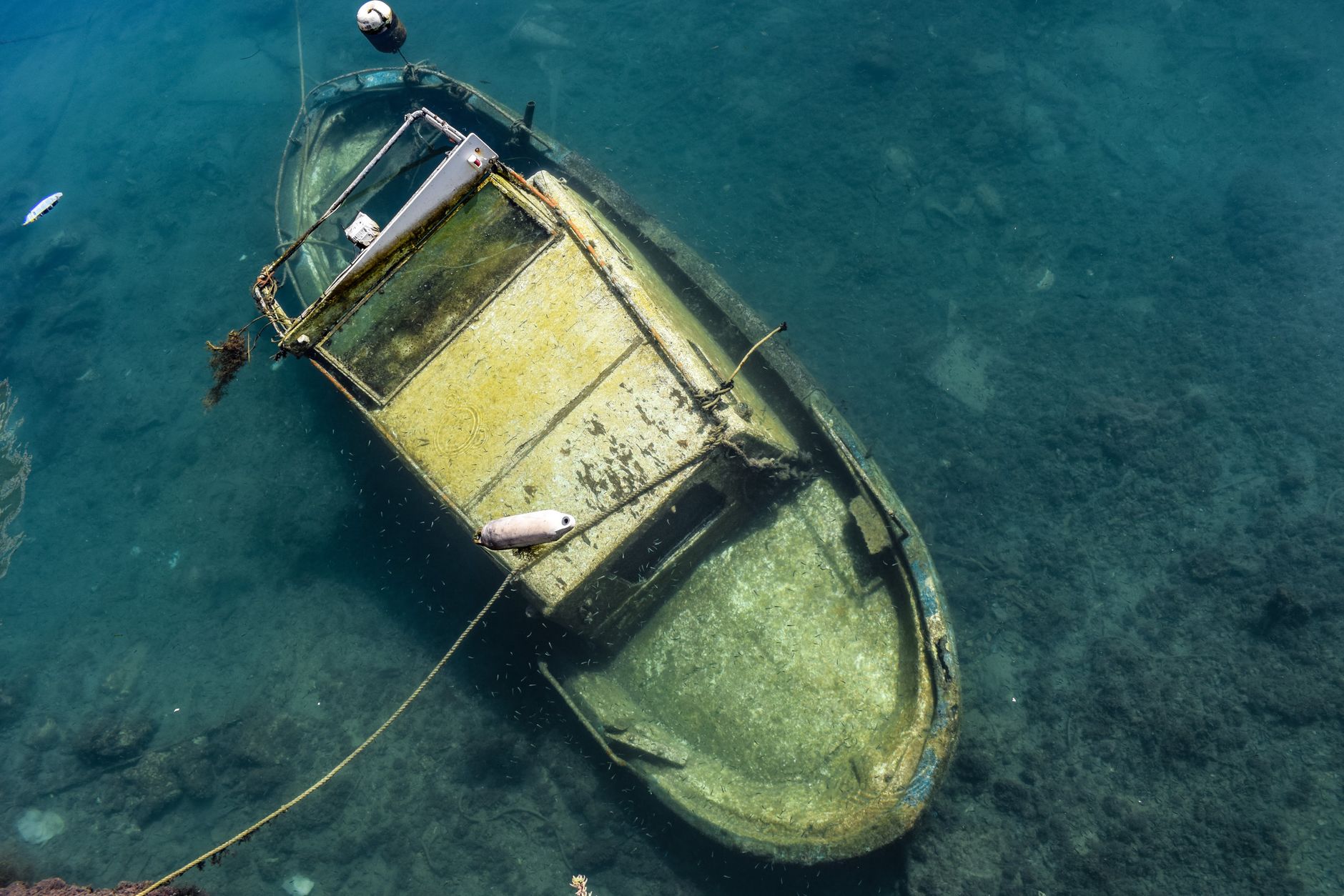
Photo by 沖縄ダイビングスクール ワールドダイビング on Pexels
The Flor de la Mar: A Treasure Lost at Sea
On November 20, 1511, the Portuguese carrack Flor de la Mar sank off the coast of Malacca, taking with it a vast treasure of 60 tons of gold. This maritime disaster occurred under the command of Admiral Afonso de Albuquerque, who had been leading a fleet of ships in the Indian Ocean. The loss of the Flor de la Mar was a significant blow to the Portuguese naval presence in the region.
What Everyone Knows
Most people think that the Flor de la Mar was just another ship that sank in the Age of Exploration, a minor footnote in the grand narrative of European colonization. The standard story goes that the ship was carrying a large cargo of gold and spices, but the exact details of its sinking are lost to history. However, this simplistic view does not do justice to the complexity of the events surrounding the Flor de la Mar's demise.
What History Actually Shows
Historian Sanjay Subrahmanyam, in his book "The Portuguese Empire in Asia, 1500-1700", reveals that the Flor de la Mar was a crucial part of the Portuguese naval strategy in the Indian Ocean, playing a key role in the capture of Malacca in 1511. According to the accounts of Tomé Pires, a Portuguese apothecary who traveled to Asia during this period, the Flor de la Mar was heavily laden with treasure, including gold, silver, and precious spices. The ship's cargo was valued at over 10 million cruzados, a staggering sum that would be equivalent to hundreds of millions of dollars today. On August 10, 1511, the Flor de la Mar set sail from Malacca, bound for Portugal, but it never reached its destination. Instead, the ship sank in a storm off the coast of Malacca, taking with it not only the treasure but also many lives. As historian M.N. Pearson notes in his book "The Portuguese in India", the sinking of the Flor de la Mar was a major setback for the Portuguese, who had been seeking to establish a dominant presence in the Indian Ocean. The loss of the ship and its treasure was a significant blow to their naval power and economic interests in the region. By examining the historical records, including the accounts of Portuguese sailors and merchants, it becomes clear that the Flor de la Mar's sinking was a pivotal event in the history of European exploration and colonization. On December 12, 1511, the Portuguese established a new base in Malacca, but the loss of the Flor de la Mar continued to have a lasting impact on their naval strategy and treasure hunting efforts in the region.
The Part That Got Buried
Historians like Portuguese archivist João Paulo Oliveira deliberately omitted the story of the Flor de la Mar from the official records, citing lack of concrete evidence and unreliable accounts from the time. The Portuguese government also played a significant role in suppressing the story, as they sought to downplay the extent of their losses during this period. Additionally, the destruction of the ship's manifest and other documents by Tomé Pires, a Portuguese explorer, further contributed to the erasure of this event from history. A concrete reason for this omission is that the Portuguese were trying to maintain a sense of stability and control over their colonies, and the loss of such a vast treasure would have undermined their authority. By burying this story, they aimed to prevent panic and maintain the illusion of invincibility.
The Ripple Effect
The sinking of the Flor de la Mar had a direct impact on the Malacca Sultanate, which was a major trading partner of the Portuguese. The loss of the treasure and the subsequent decline of the Portuguese trading empire led to a shift in power dynamics in the region, with the Dutch East India Company eventually filling the void. A specific modern thing that traces directly back to this event is the Maritime Museum in Malacca, which was established to commemorate the city's rich maritime history, including its interactions with the Portuguese and other European powers. The museum's collection includes artifacts and exhibits that tell the story of the Flor de la Mar and its significance in the region's history.
The Line That Says It All
The Flor de la Mar remains at the bottom of the Indian Ocean, its 60 tons of gold still waiting to be recovered, a forgotten relic of a bygone era.
A Note on Sources
This article draws on historical records, documented accounts, and academic research related to the Age of Exploration and the history of the Portuguese Empire.