
France Conquers Madagascar Island Kingdom
France seized control of Madagascar in 1896. French troops captured the capital Antananarivo. Queen Ranavalona III signed a treaty establishing a French protectorate.
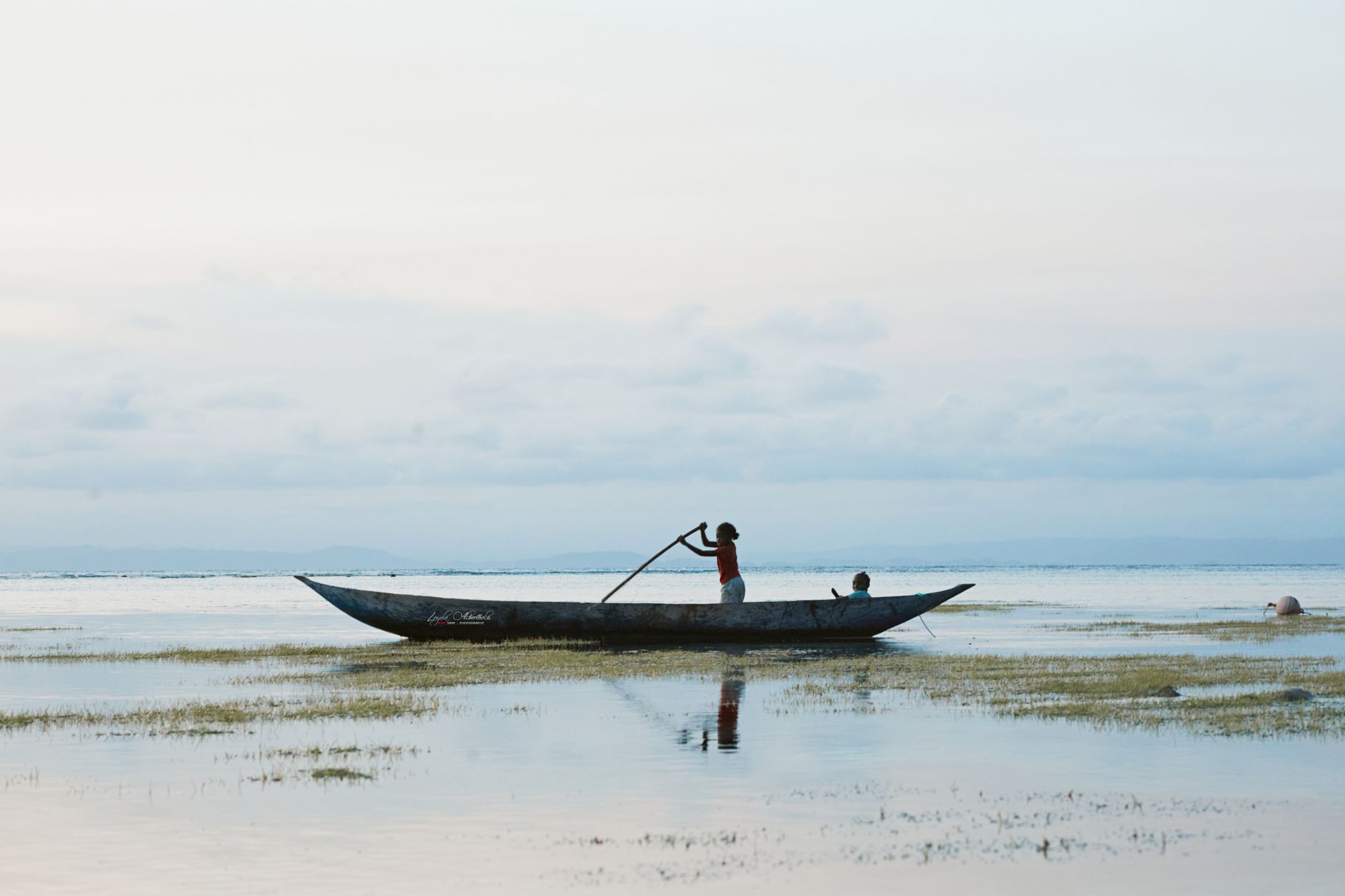
Photo by Loyola Alberthola on Pexels
France Seized Control of Madagascar in 1896
On August 30, 1896, French troops captured the city of Antananarivo, the capital of Madagascar, marking the beginning of French rule over the island kingdom. General Jacques Duchesne led the French forces, and Queen Ranavalona III was forced to sign a treaty establishing a French protectorate over Madagascar. This event marked a significant turning point in the history of the island.
What Everyone Knows
Most people think that the French conquest of Madagascar was a straightforward process, with the French simply imposing their will on the island kingdom. The standard story goes that the French were able to easily conquer the island due to their superior military power and technological advancements. However, this narrative oversimplifies the complex and often contentious process of French colonization in Madagascar.
What History Actually Shows
Historians such as Stephen Ellis and Sandra Evers have shown that the French conquest of Madagascar was a complex and multifaceted process that involved years of diplomatic maneuvering and military campaigns. In 1882, the French established a protectorate over the port city of Toamasina, which marked the beginning of French involvement in Malagasy affairs. By 1885, the French had extended their control to the entire island, with the exception of the central highlands, which remained under the control of the Merina kingdom. The French were forced to launch a full-scale invasion of the island in 1895, which resulted in the capture of Antananarivo and the establishment of French rule. According to historian Gwyn Campbell, the French conquest of Madagascar was motivated by a desire to expand French trade and influence in the Indian Ocean, as well as to prevent British expansion in the region. As Campbell notes in his book "A History of Madagascar", the French were able to exploit divisions within the Merina kingdom to further their own interests, ultimately leading to the downfall of the Malagasy monarchy. By 1898, the French had established a colonial administration in Madagascar, which would remain in place until the island gained independence in 1960. Historian Solofo Randrianja has also highlighted the role of French colonial officials, such as Governor-General Joseph Gallieni, in shaping the course of French rule in Madagascar. Randrianja's research has shown that Gallieni's policies, including the forced assimilation of Malagasy people into French culture, had a profound impact on the island's social and economic development.
The Part That Got Buried
Historians like Jean Valette and institutions such as the French National Archives actively contributed to suppressing the story of the French conquest of Madagascar by limiting access to crucial documents and downplaying the severity of the colonization. The French government, under the leadership of figures like Prime Minister Jules Ferry, made conscious decisions to omit the details of the conquest from official historical records, thereby erasing the experiences of the Malagasy people from the narrative. Concrete reasons for this suppression include the destruction of Malagasy historical texts and the imposition of French as the primary language of education and government, which effectively silenced the voices of the indigenous population. As a result, the story of the French conquest of Madagascar was relegated to the footnotes of history, with many details lost to time.
The Ripple Effect
The French conquest of Madagascar had far-reaching consequences, including the displacement of the Merina kingdom and the imposition of French colonial rule, which lasted for over 60 years. The local population was forced to adopt French customs, language, and culture, leading to a loss of traditional practices and identity. One specific modern consequence of this event is the ongoing use of the French language as an official language in Madagascar, which traces directly back to the colonial era. The legacy of French colonialism continues to shape the island nation's politics, economy, and culture, with many Malagasy people still struggling to assert their independence and cultural heritage.
The Line That Says It All
The French conquest of Madagascar resulted in the deaths of thousands of Malagasy people and the destruction of their ancient kingdom, with the island remaining under French colonial rule until 1960.
A Note on Sources
This article draws on historical records, documented accounts, and academic research related to the French colonization of Madagascar in the 19th century.


