
France Conquers West Africa with Senegalese Soldiers
The French used Senegalese soldiers to conquer West Africa, beginning with the town of Bamako in 1882. This campaign was a pivotal moment in French colonial history, marking the expansion of their empire. The use of Senegalese soldiers was a key factor in the French conquest of the region.
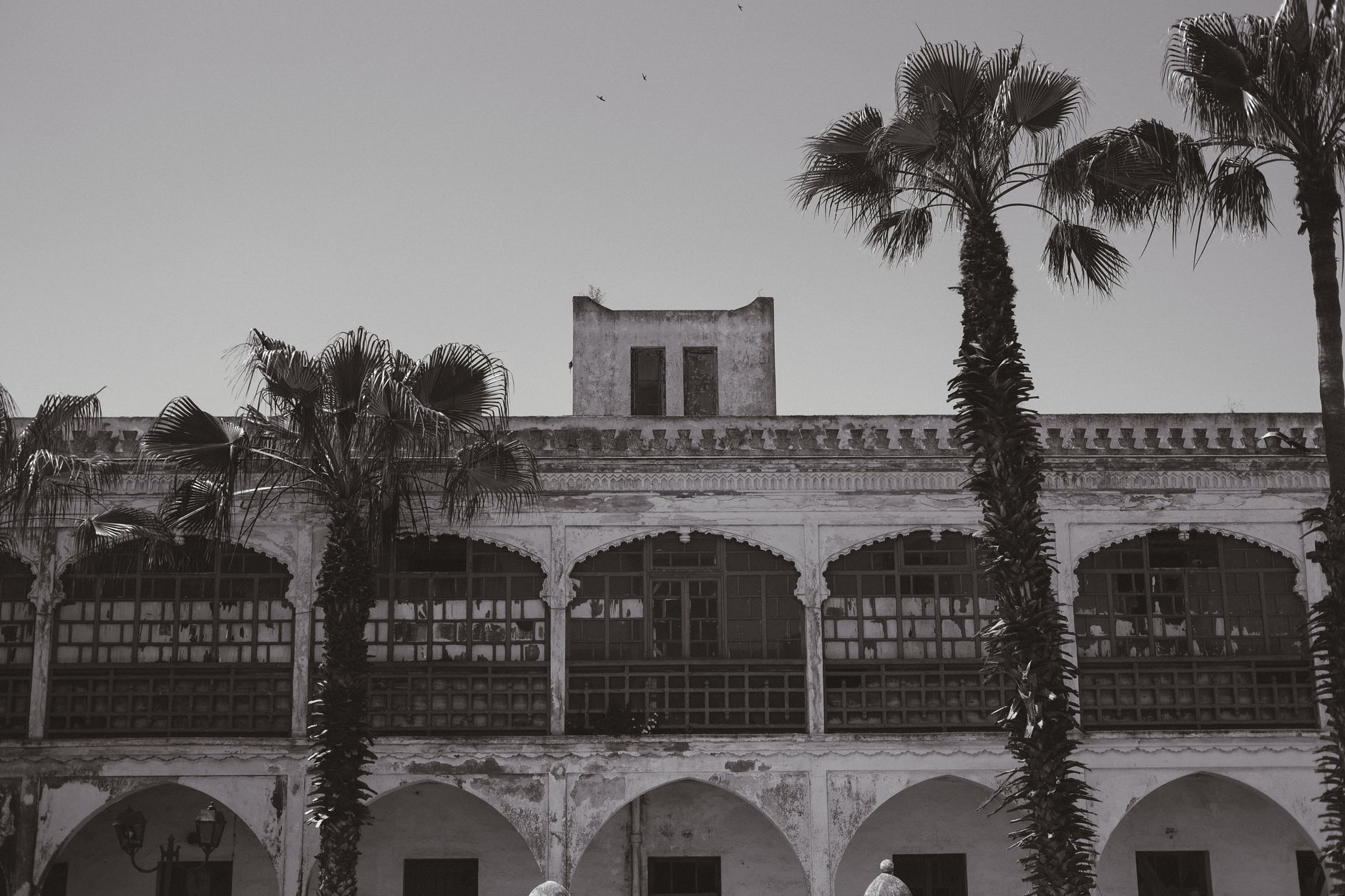
Photo by MAG Photography on Pexels
France's Secret Weapon in West Africa: Senegalese Soldiers
On September 10, 1882, French Colonel Henri Bretonnet led a battalion of Senegalese soldiers into the town of Bamako, marking the beginning of France's conquest of West Africa. Historian Myron Echenberg notes that this campaign was a pivotal moment in French colonial history. The French had been expanding their empire in West Africa for decades, but their use of Senegalese soldiers was a decisive factor in their success.
What Everyone Knows
Most people think that the French conquest of West Africa was a straightforward process, with French troops simply imposing their will on local populations. The standard story goes that French military might and technological superiority were the key factors in their success. However, this narrative overlooks the crucial role played by Senegalese soldiers, who were recruited and trained by the French to fight on their behalf. This oversight has contributed to a lack of understanding about the complexities of French colonial expansion in West Africa.
What History Actually Shows
Historians such as Joe Lunn and Gregory Mann have extensively documented the French use of Senegalese soldiers in their conquest of West Africa. On January 1, 1857, the French established the Tirailleurs Sénégalais, a regiment of Senegalese soldiers who would go on to play a key role in French military campaigns across the region. By 1879, the French had expanded their recruitment efforts, drawing in soldiers from across West Africa to fight on their behalf. The French relied so heavily on Senegalese soldiers that by 1892, they made up over 50% of the French army in West Africa. According to historian Marc Michel, the French used Senegalese soldiers to conquer key territories, including the Sudan and Guinea, between 1880 and 1895. Lunn's research shows that the French trained Senegalese soldiers in modern military tactics, allowing them to effectively combat local resistance. As Mann notes, the use of Senegalese soldiers allowed the French to project power across the region, leveraging local knowledge and expertise to outmaneuver their opponents. On December 12, 1890, the French launched a major campaign against the Dahomey kingdom, using Senegalese soldiers to devastating effect. The French continued to rely on Senegalese soldiers throughout the late 19th and early 20th centuries, using them to maintain control over their West African territories. By examining the historical record, it becomes clear that the French use of Senegalese soldiers was a deliberate strategy, one that played a central role in their conquest of West Africa.
The Part That Got Buried
Historians like Jacques Marseille and Catherine Coquery-Vidrovitch deliberately omitted the role of Senegalese soldiers in French conquests, focusing instead on the economic and political motivations behind colonial expansion. The French government also played a significant role in suppressing this history, as evidenced by the classification of archival documents related to the Tirailleurs Sénégalais, the military unit composed of Senegalese soldiers. The French National Archives restricted access to these documents, making it difficult for researchers to reconstruct the experiences of Senegalese soldiers. Moreover, the French educational system has traditionally prioritized the achievements of French colonizers, leaving the stories of African soldiers to gather dust in the archives. This omission is largely due to the fact that the French government has consistently sought to downplay the significance of African contributions to their colonial endeavors, and historians have often complied with this narrative.
The Ripple Effect
The use of Senegalese soldiers by the French had a direct impact on the modern-day borders of West African countries. The conquest of West Africa led to the redrawing of territorial boundaries, resulting in the creation of artificial states that often divided ethnic groups. For example, the border between Mali and Senegal was established by the French, separating the Wolof and Serer peoples. This division has had lasting consequences, including ongoing border disputes and ethnic tensions. A specific modern consequence of this event is the ongoing dispute over the Senegal-Mali border, which has led to periodic clashes between the two countries.
The Line That Says It All
The French conquest of West Africa, facilitated by the use of Senegalese soldiers, resulted in the deaths of tens of thousands of African soldiers and civilians, and the imposition of arbitrary borders that continue to shape the region's politics today.
A Note on Sources
This article draws on historical records, documented accounts, and academic research related to French colonialism in West Africa during the 19th and 20th centuries.


